


Iranian President Masoud Pezeshkian issued an unusual public apology on Saturday to neighboring Gulf states for strikes on civilian infrastructure, pledging that Iran would halt such attacks unless future operations against Tehran originated from their territory. The statement followed significant regional anger over disruptions to air travel and energy facilities in the United Arab Emirates, Qatar, Bahrain, and Kuwait caused by Iranian missile and drone attacks during the second week of the US-Israel military campaign.
Within hours of Pezeshkian's apology, an Iranian armed forces spokesperson appeared to qualify the president's statement, indicating that strikes against US and Israeli assets would continue even if hosted in Gulf states. The contradiction exposes deep fractures within Tehran's decision-making structure as the Islamic Republic confronts the most intense military pressure it has faced since the 1980s, compounded by the death of Supreme Leader Ali Khamenei on February 28.
Military degradation shapes diplomatic messaging
The context for Pezeshkian's conciliatory gesture is a relentless US-Israel air campaign that has severely degraded Iran's offensive capabilities. According to US Central Command assessments, the operation has targeted critical Islamic Revolutionary Guard Corps bases, leadership facilities, national broadcasting infrastructure, and defense production sites including the Shouhieh facility in Qom and Estegal complex in Tehran. US Central Command reports a 90% reduction in Iranian ballistic missile attacks and an 83% decrease in drone operations since the conflict began.
US-Israel forces established air dominance from western Iran to central Tehran within 24 hours through approximately 200 air defense strikes, according to Western military sources. This operational reality—Iran's diminished capacity to project power—provides the material basis for Pezeshkian's diplomatic outreach. Gulf states, which host significant US military infrastructure, have absorbed Iranian retaliation despite several having expressed private reservations about the campaign's maximalist objectives, particularly President Trump's explicit demand for Iran's "unconditional surrender."
The regional spillover has compounded Tehran's challenges. Hezbollah's entry into the conflict prompted over 250 Israeli strikes across Lebanon and deeper ground incursions into southern districts. Iranian-backed militias in Iraq and Syria continue drone and missile operations against US positions, expanding the geographic scope while straining Iran's ability to coordinate proxy activities amid its own defensive requirements.
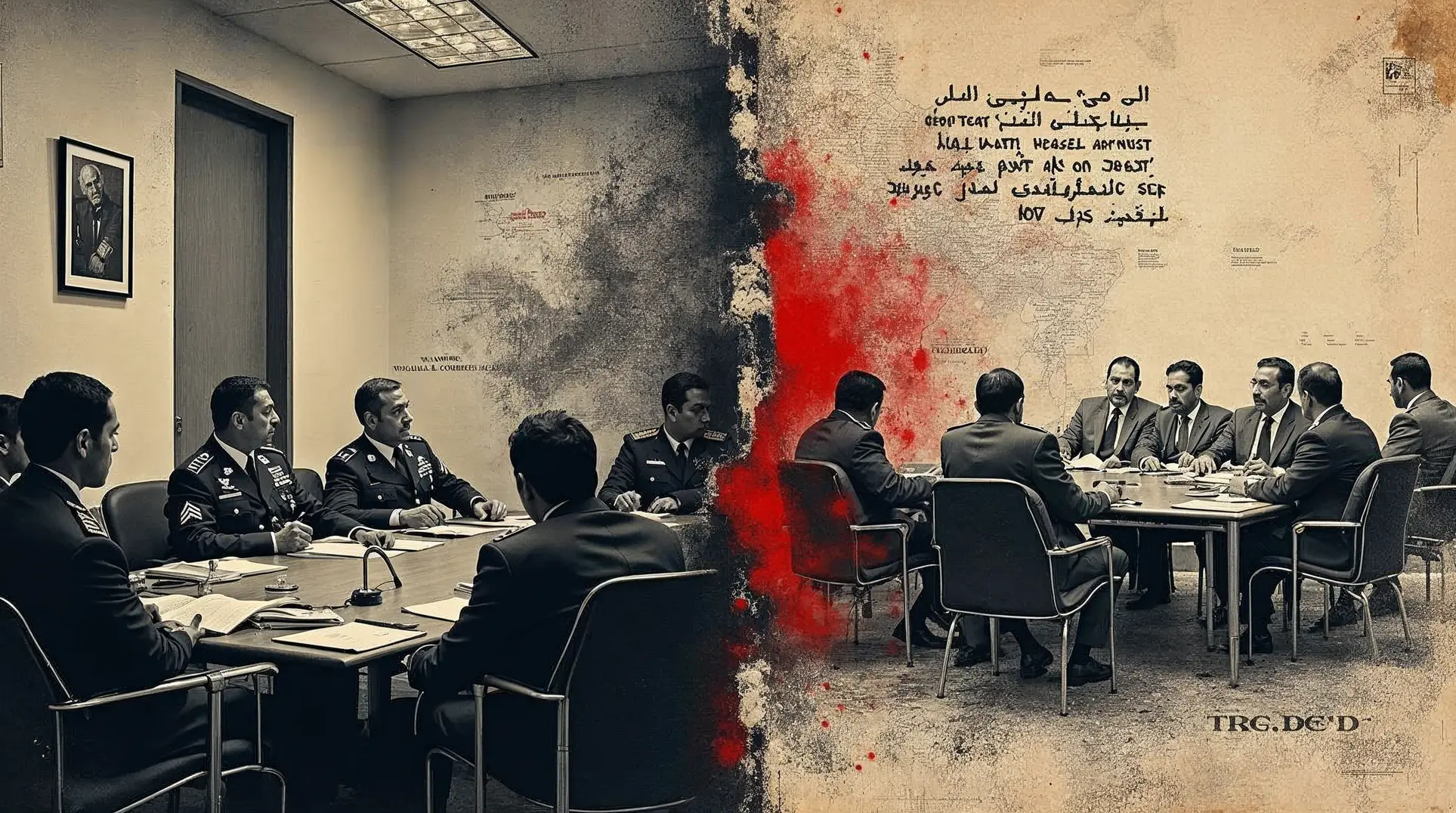
Members are reading: How competing institutional imperatives drive Tehran's contradictory messaging, and why Gulf states remain trapped between Iranian fragmentation and US military pressure.
Regional actors navigate constrained options
Gulf states face their own difficult choices. The United Arab Emirates, Bahrain, Qatar, and Kuwait have all absorbed Iranian strikes due to hosting US military infrastructure. Yet several Gulf capitals have privately expressed reservations about the campaign's objectives, particularly Trump's maximalist demands. Pezeshkian's apology offers these states a potential diplomatic off-ramp, creating space for those uncomfortable with further escalation to de-emphasize their role in supporting continued operations.
The Lebanese government has taken unprecedented steps to restrict Hezbollah and IRGC operations within its territory, a shift that reflects both military pressure and recognition that further escalation threatens state institutions already weakened by years of political and economic crisis. Even traditional Iranian allies appear to be recalculating the costs of alignment as the conflict expands and casualties mount.
The divergent messaging from Tehran suggests Iran's leadership has not settled on a unified response to the military pressure it faces. Pezeshkian's apology provides Gulf states potential diplomatic space, while the IRGC's qualification preserves Iran's deterrent threat and domestic credibility. This strategic ambiguity may be deliberate—allowing different audiences to hear different messages—or it may simply reflect genuine internal division exacerbated by the succession struggle.
As the military campaign continues into its second week with over 1,230 Iranian casualties reported and the succession process still unresolved, the question is not whether Iran will maintain a coherent position, but which faction's interpretation will ultimately prevail in Tehran's fractured power structure—and what regional dynamics that outcome triggers.
Subscribe to our free newsletter to unlock direct links to all sources used in this article.
We believe you deserve to verify everything we write. That's why we meticulously document every source.


