


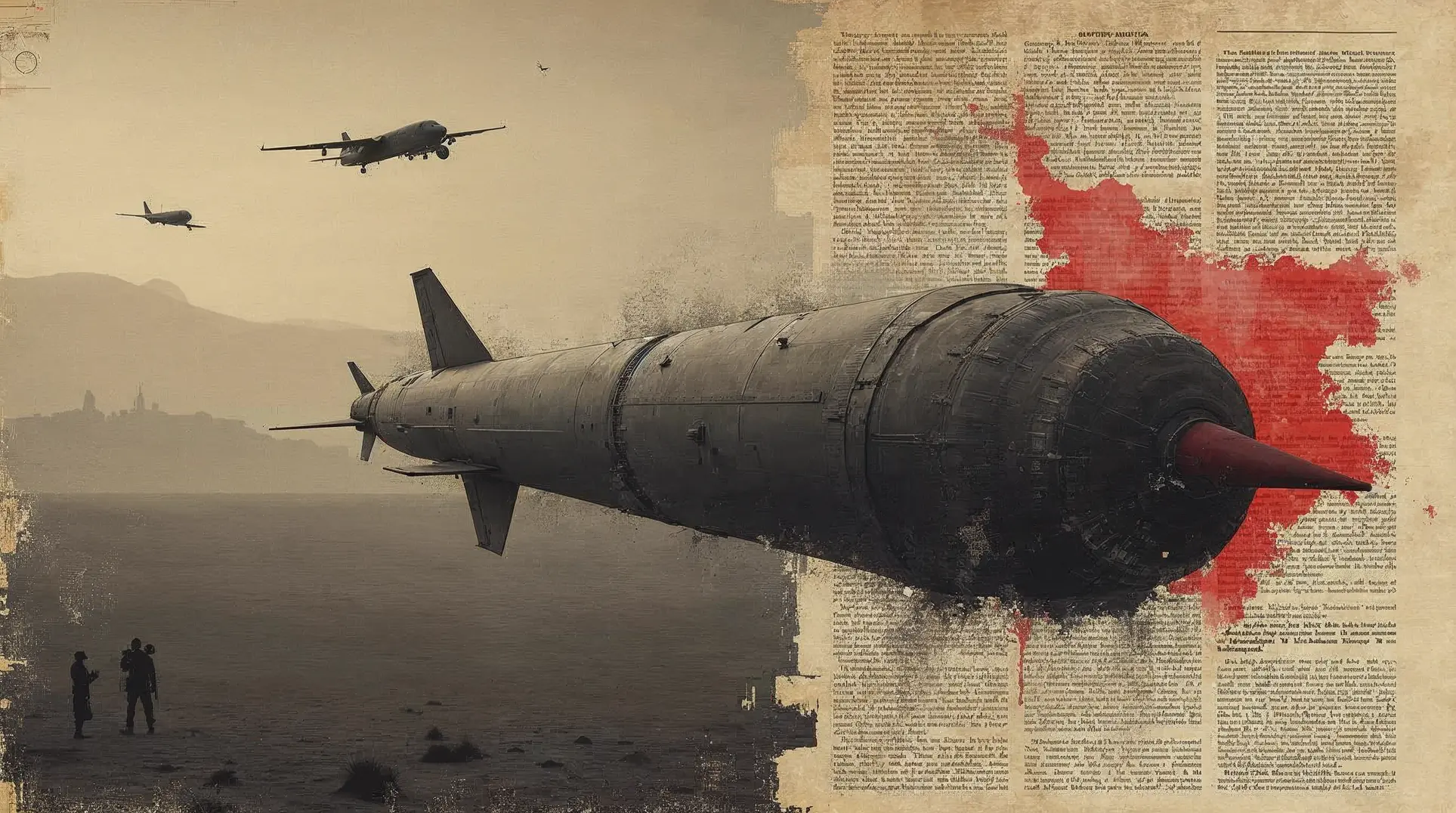
An A-10 Warthog lost a wing at Muwaffaq Salti Air Base in Jordan overnight, the most severe single-airframe loss the US has publicly acknowledged since the war with Iran began. It was struck during a 20-missile Iranian barrage that also carried, for the first time in this conflict, cluster munition warheads.
The distinction matters more than the missile count. Iran has hit this base repeatedly since June — with 21, then 13, then 20 missiles across successive waves, as Crisis Zone has documented. What changed overnight was not scale but payload: submunition warheads designed to disperse across a wide area, ideal for shredding aircraft parked wingtip to wingtip on a tarmac. Tehran, it appears, has stopped trying merely to demonstrate reach and started trying to destroy equipment.
Base defenses strained, casualties disputed
Jordanian air defenses intercepted 18 of the 20 missiles fired at Muwaffaq Salti, known also as Al-Azraq, in Zarqa governorate; two fell in unpopulated areas. US forces at the base fired more than 30 Patriot interceptors in response. CBS News, citing sources with direct knowledge, said roughly eight F-15E Strike Eagles sustained light damage and were quickly returned to service, while the A-10 was assessed a mission kill.
No US fatalities have been confirmed. An unverified report carried by Al-Arabiya, attributed to a Jordanian source, said injured American personnel were flown to Ramstein Air Base in Germany, some with life-threatening wounds — a claim US officials have neither confirmed nor denied.
The strike arrived hours after Iran's IRGC also attacked roughly 10 vessels near the Strait of Hormuz, as reported same-day by Crisis Zone, killing at least one seafarer aboard the tanker Hercules Star. Brent crude breached $100 a barrel for the first time in fifteen weeks. The trigger, per CENTCOM, was Washington's destruction of five Iranian tankers on September 8 — retaliation itself for missiles fired twice in two days at a US Navy warship, a pattern this masthead traced through the Kharg Island and Jask strikes and the Hormuz corridor tanker attacks.
Observers are reading: What the Patriot stockpile numbers suggest about how many more waves like this one Jordan's air defenses can absorb.
Become an Observer — it's free. Get full access to all Crisis.Zone analysis, briefings and breaking coverage.
A base tested again, with less room to spare
Muwaffaq Salti has now absorbed three significant Iranian barrages since June, each probing a different dimension of American and Jordanian defenses. The cluster munition warheads mark the first qualitative shift in that pattern — a signal, however Washington characterizes the damage, that Tehran's retaliatory calculus has moved from demonstration toward destruction. Whether that shift holds through the next 24-hour cycle will depend on how CENTCOM and the White House choose to respond.
Become an Observer — it's free — to unlock direct links to all sources used in this article.
We believe you deserve to verify everything we write. That's why we meticulously document every source.


