


Iranian security forces detained 2023 Nobel Peace Prize laureate Narges Mohammadi on December 12, 2025, while she attended a memorial ceremony in Mashhad for human rights lawyer Khosrow Alikordi, whose death under unclear circumstances had prompted calls for investigation from over 80 Iranian lawyers. The 53-year-old activist, released on medical furlough just weeks earlier following surgery for a bone lesion, was detained alongside at least four other rights defenders and journalists, according to statements from the Free Narges Coalition and the foundation bearing her name.
The Norwegian Nobel Committee condemned what it termed a "brutal" arrest and demanded Mohammadi's immediate and unconditional release, alongside clarification of her whereabouts and safety. A local Mashhad official acknowledged arrests had been made for "norm-breaking slogans" but did not directly name Mohammadi, and Iranian authorities had not immediately confirmed whether she would be returned to Evin Prison, where she had been serving an aggregate sentence of 13 years and nine months on charges tied to her activism against mandatory hijab laws, the death penalty, and prison conditions.
The criminalization of mourning
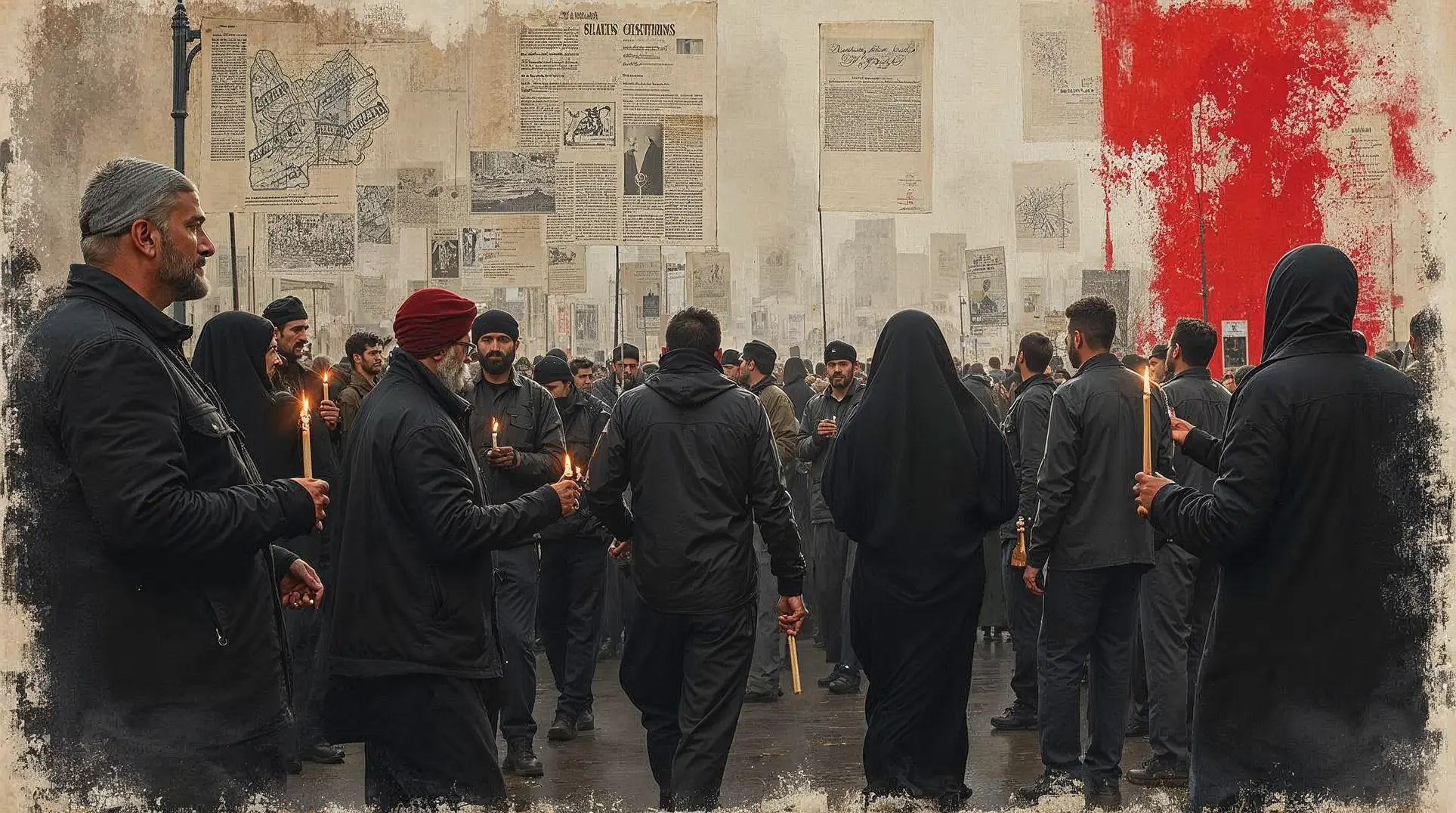
Mohammadi's detention marks her 13th arrest and continues a documented pattern in which Iranian authorities target commemorative gatherings as sites of dissent. Witness accounts and verified visuals show Mohammadi speaking at the memorial and chanting "Long live Iran"; some attendees reportedly chanted "death to the dictator." Also detained were activists Alieh Motalebzadeh, Sepideh Gholian, Hasti Amiri, and journalist Pouran Nazemi, according to Front Line Defenders and the Center for Human Rights in Iran (CHRI).
The memorial itself had become a flashpoint. Alikordi was found dead in his office in early December; rights groups described the circumstances as suspicious, while Mashhad's prosecutor denied murder allegations, attributing death to heart complications. The contested narrative around his death—and the gathering of lawyers and activists to commemorate him—created precisely the kind of unscripted public space that Iran's security apparatus has systematically worked to eliminate.
By framing the arrests as crowd-control measures against "norm-breaking," authorities signal that collective mourning—especially when it centers figures whose deaths raise accountability questions—now falls within the state's expanding definition of impermissible assembly. This is not incidental enforcement; it is strategic suppression of the narrative spaces where dissent coalesces in the absence of formal political channels.
Members are reading: How the regime's zero-tolerance approach to memorials reveals the internal control calculus that outweighs diplomatic costs.
A pattern of punitive isolation
Mohammadi's activism record—centered on opposition to mandatory hijab, the death penalty, and solitary confinement practices she terms "white torture"—has made her a symbol of resistance both inside Iran and internationally. Her foundation reports she has been cumulatively sentenced to more than 36 years and 154 lashes across multiple cases. The 2023 Nobel Peace Prize, awarded while she was incarcerated, explicitly recognized her fight "against the oppression of women in Iran and her fight to promote human rights and freedom for all."
The current detention leaves critical questions unanswered: her precise location, the legal basis for re-arrest during authorized medical furlough, and whether authorities will formally revoke that furlough or levy additional charges. International human rights standards prohibit arbitrary detention and require that any restrictions on liberty during medical release be proportionate, legally grounded, and subject to review—conditions rarely met in Iran's treatment of political prisoners.
The Nobel Committee's demand for transparency on Mohammadi's whereabouts and safety echoes longstanding concerns about enforced disappearance and denial of contact with family or legal counsel. Similar episodes around commemorations have historically catalyzed renewed advocacy, even under severe repression, underscoring that the very acts of suppression the state employs can generate the solidarity and international attention it seeks to avoid.
Subscribe to our free newsletter to unlock direct links to all sources used in this article.
We believe you deserve to verify everything we write. That's why we meticulously document every source.


