


Iran's Islamic Revolutionary Guard Corps Navy will conduct live-fire exercises in the Strait of Hormuz on February 1-2, state broadcaster Press TV reported Thursday, marking Tehran's first major military response to the European Union's decision this week to designate the IRGC as a terrorist organization. The drills position hostile naval forces in dangerous proximity within a waterway that carries one-fifth of global oil supplies.
The IRGC issued a notice to mariners warning of "naval shooting" exercises in the strategic chokepoint, through which approximately 20-25 percent of the world's oil and 20 percent of liquefied natural gas transit daily. The announcement comes just three days after the EU's landmark January 29 designation aligned European policy more closely with long-standing US sanctions against the military branch.
Latest situation update
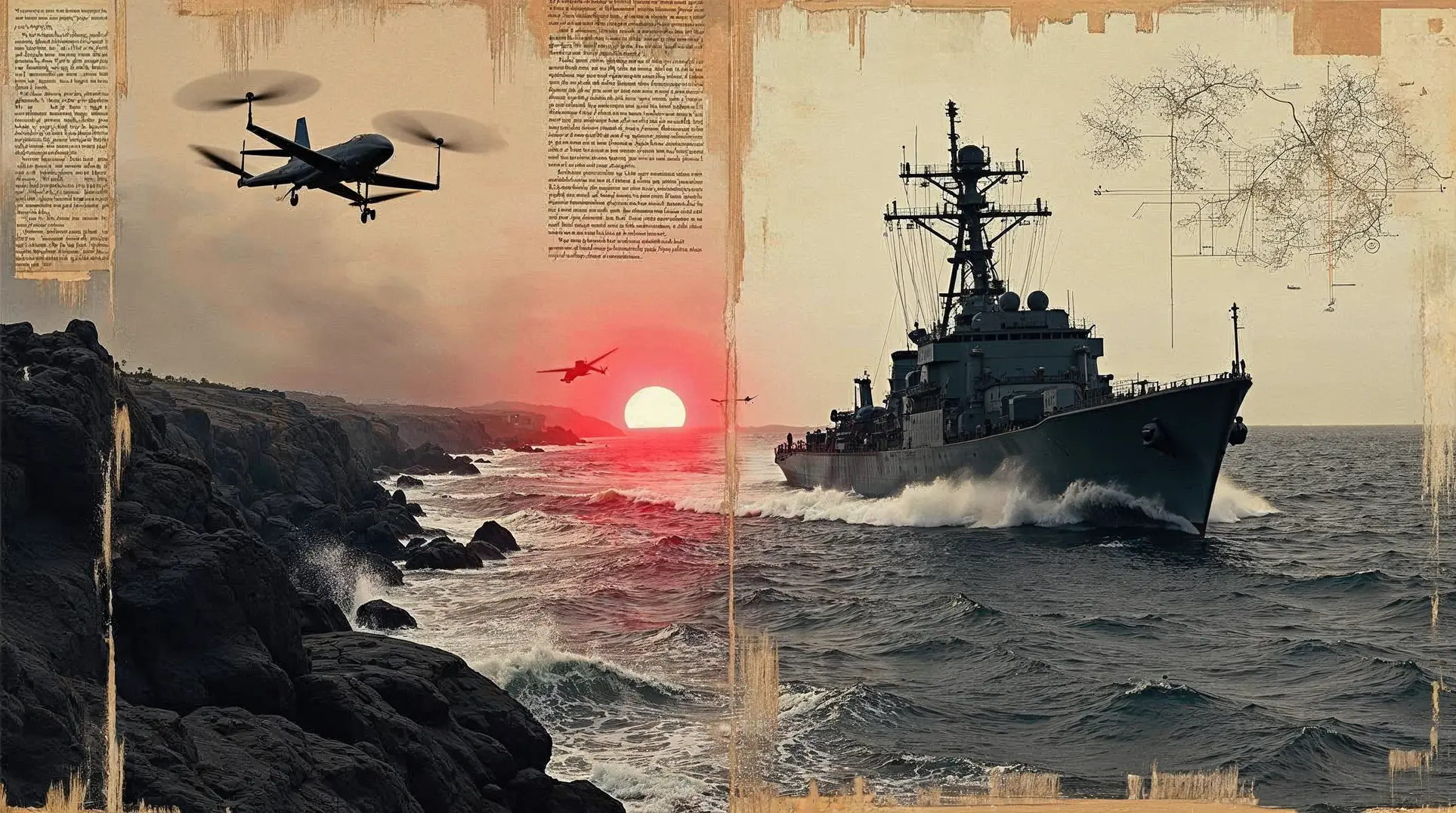
Iranian forces have deployed advanced coastal defense systems, anti-ship missiles, Ghadir-class submarines, and the drone-carrier IRIS Shahid Bagheri for the exercises, according to IRGC naval command statements. The military branch has repeatedly stated its capability to close the Strait if national security requires, though it has not historically followed through on such threats during previous tensions.
The drills occur against a backdrop of intensifying US military pressure, with the USS Abraham Lincoln carrier strike group currently operating in the region alongside the recently arrived guided-missile destroyer USS Delbert D. Black. US Navy MQ-4C Triton surveillance drones are actively monitoring Iranian military movements in the area. The expanded US naval deployment has created what military analysts describe as an unprecedented concentration of opposing forces in the confined waterway.
Members are reading: How the 21-mile chokepoint creates specific miscalculation scenarios in the next 48 hours.
The February 1-2 exercises represent Iran's most direct military response to coordinated Western pressure, staged in a location designed to remind global markets of Tehran's geographic leverage. With opposing naval forces operating in close quarters during active weapons testing, the next 48 hours present acute escalation risks in a waterway critical to global energy security. Any incident during the drills would occur in an environment already primed for rapid military response.
Subscribe to our free newsletter to unlock direct links to all sources used in this article.
We believe you deserve to verify everything we write. That's why we meticulously document every source.


