


The French Navy intercepted and boarded the oil tanker Grinch in international waters between Spain and Morocco on Thursday, targeting a vessel suspected of operating within Russia's so-called shadow fleet. The operation represents one of the first publicly acknowledged naval interdictions aimed at enforcing sanctions on Russian oil exports since the Ukraine invasion began.
President Emmanuel Macron confirmed the action on social media, emphasizing compliance with the United Nations Convention on the Law of the Sea and coordination with allied nations. The tanker, sailing under a Comoros flag with an Indian crew, is now being escorted to a French port for inspection. The operation follows intelligence sharing with the United Kingdom, marking a notable instance of Franco-British operational cooperation in sanctions enforcement.
Latest situation update
The Grinch exemplifies the classic profile of shadow fleet operations: aging vessels operating under flags of convenience, often with obscured ownership structures and crews from third countries with no connection to the cargo's origin or destination. These tankers enable Russia to move crude oil and refined products while evading Western price caps and export restrictions that target Moscow's primary revenue stream for financing military operations in Ukraine.
French authorities have not disclosed the vessel's cargo manifest or intended destination, though shadow fleet tankers typically operate routes from Russian Black Sea or Baltic ports to buyers in Asia and the Middle East. The interception location in the western Mediterranean suggests the vessel may have transited from the Black Sea, possibly carrying Russian crude. The decision to conduct a boarding operation in international waters, rather than simply monitoring the vessel, signals a deliberate shift in enforcement posture from passive observation to active interdiction.
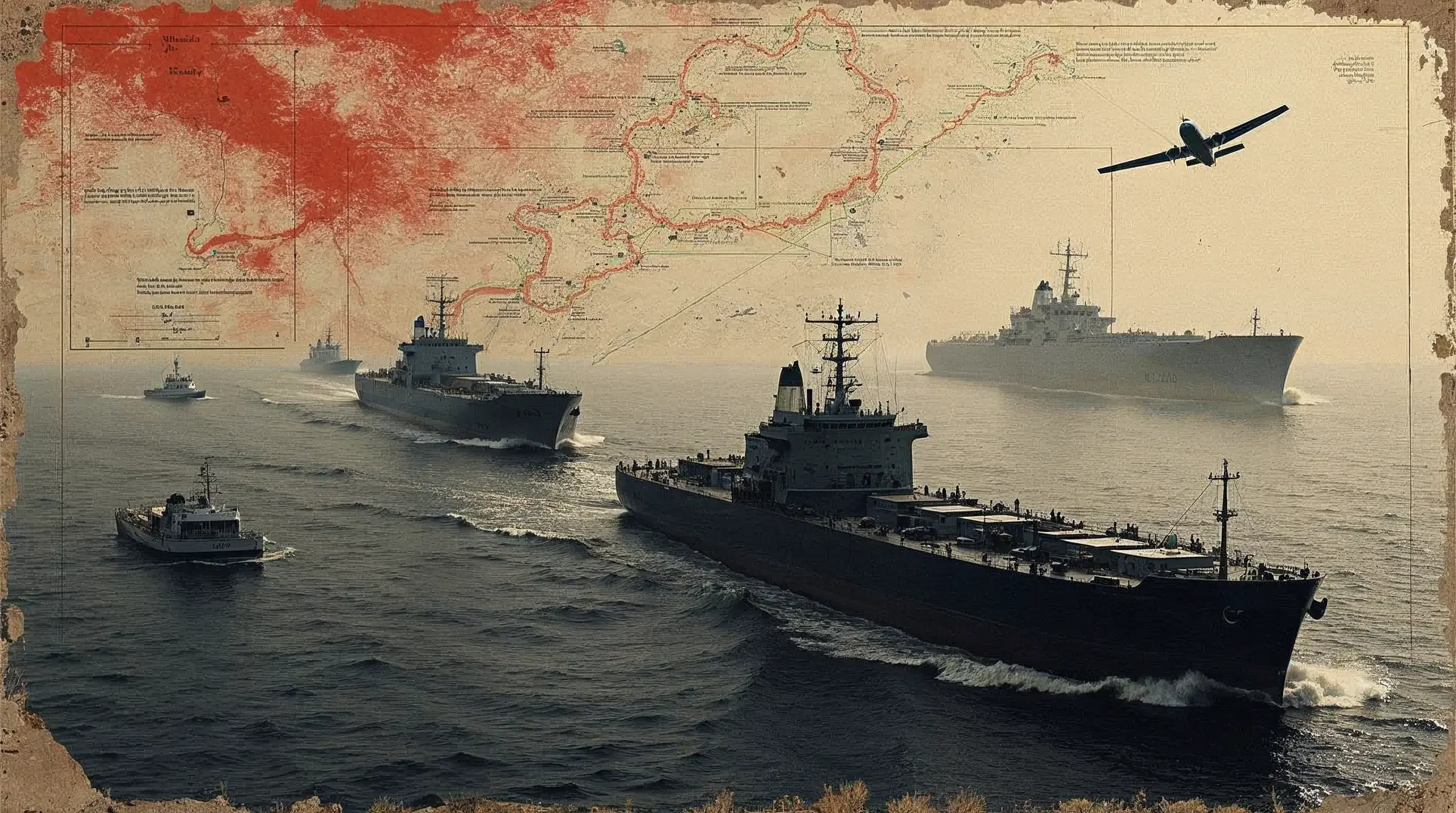
Members are reading: How this naval action reshapes the calculus for Russia's entire shadow fleet operations across European waters.
The Mediterranean interception represents more than a single vessel seizure. It signals that European powers are moving from regulatory sanctions enforcement to operational naval action, backed by intelligence coordination outside traditional EU frameworks. Whether this becomes a sustained campaign or remains an isolated demonstration will depend on political will in Paris, London, and Brussels—and on how Moscow chooses to respond to what amounts to economic warfare conducted with warships. For now, the message is clear: the shadow fleet operates in increasingly visible waters.
Subscribe to our free newsletter to unlock direct links to all sources used in this article.
We believe you deserve to verify everything we write. That's why we meticulously document every source.


