


Eight regulations open direct hiring, foreign banking and large private firms as Washington adds fresh sanctions same day
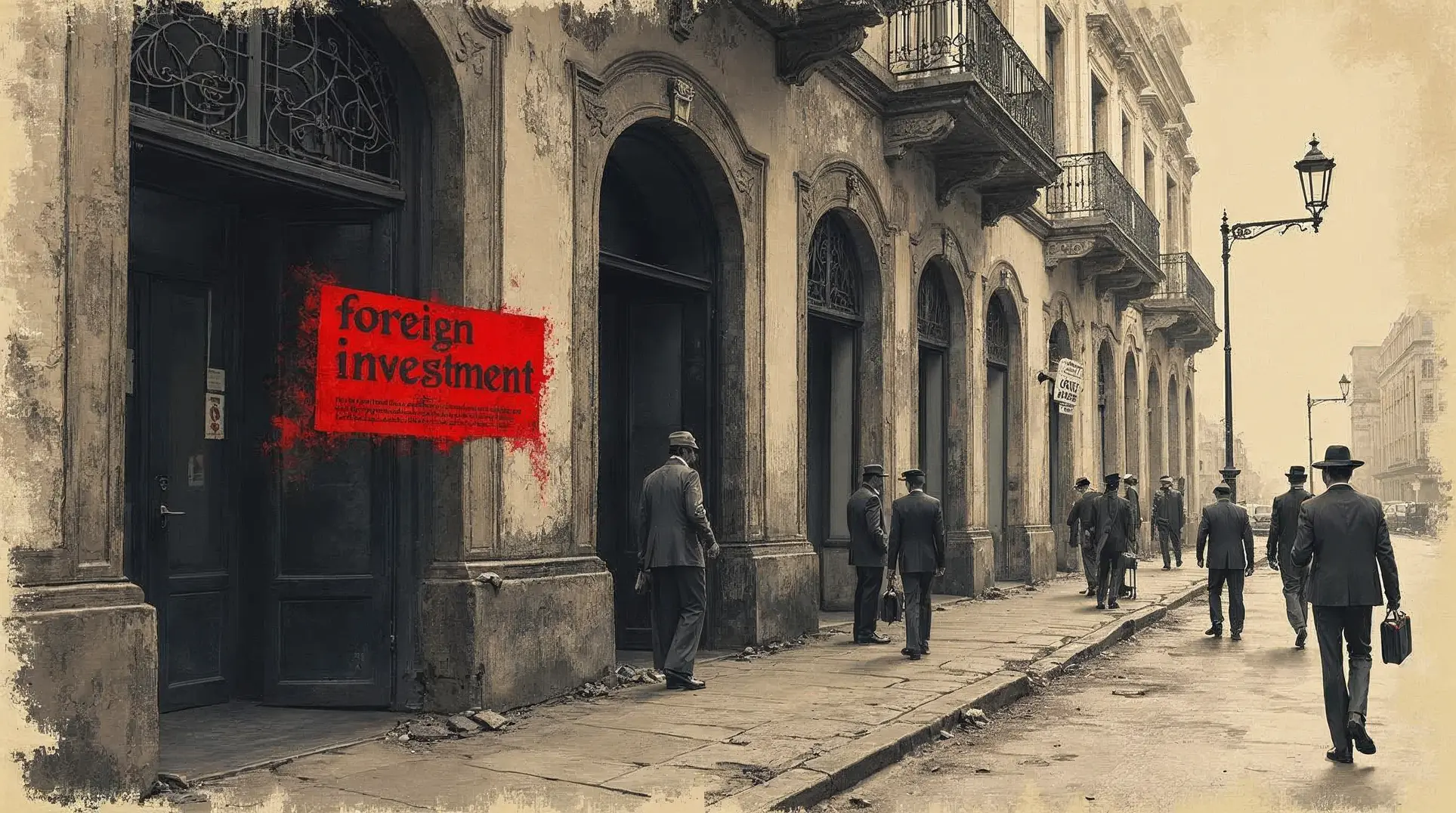
Cuba's government published eight decree-laws and resolutions in the Official Gazette on September 3 that permit foreign-capital companies to hire Cuban workers directly, ending the state's decades-long monopoly on employment intermediation. Decree-Law 128/2026 amends Article 30.1 of the 2014 Foreign Investment Law, allowing joint ventures and wholly foreign-owned firms to recruit Cuban and foreign resident workers without routing hires through state labor agencies, and to pay bonuses in foreign currency.
The measures take effect September 9 and accompany a wider package: a 100-worker cap on private enterprises is lifted, diaspora Cubans and foreign residents may now invest in private businesses, private firms gain rights to import and export directly, and usufruct rights on property extend to 99 years, renewable. Deputy Prime Minister Óscar Pérez-Oliva Fraga said the changes "are on the right path" but acknowledged their real scope is difficult to calculate given "the component of external pressure we cannot ignore" — a reference to the sanctions regime this outlet has tracked since Washington's oil blockade began severing Cuba's energy imports.
Same-day sanctions expand target list
Hours after Havana published the reforms, the U.S. Treasury sanctioned six additional targets, including Banco Exterior de Cuba, state oil intermediary Comercial CUPET, and Fidel Ernesto Castro Calis — a 31-year-old grandson of Raúl Castro, designated under Executive Order 14404 as an adult family member of an already-sanctioned individual. Secretary of State Marco Rubio called the move part of Trump's "unwavering vision for a free Cuba." The total sanctioned list now exceeds 86 people and entities since May, a pace consistent with what Rubio in August described as eliminating Havana's "escape valves" rather than negotiating toward relief.
The reforms operationalize the 176 transformations the National Assembly approved in June — measures Raúl Castro himself endorsed as "beneficial" — which this outlet covered as the widest private-sector opening since the Revolution. What distinguishes September 3 is specificity: labor, banking access, and property tenure now have implementing legal text, not just Assembly endorsement.
The backdrop is measurable deterioration. Tourism arrivals fell sharply in the first half of 2026, with official figures pointing to a decline of roughly 60% in visitor numbers; 73% of hotels sit closed; some 25,000 tourism workers are idle. Cuba covers only about 40% of domestic fuel needs, a shortfall that has driven recurring national blackouts and grid collapses.
Observers are reading: Why the November Foreign Investment Law rewrite may reveal whether these reforms are real or symbolic.
Become an Observer — it's free. Get full access to all Crisis.Zone analysis, briefings and breaking coverage.
Havana has now legislated the most significant break with centralized labor control since 2014, betting that market adaptation preserves the revolution's political core. Washington's same-day sanctions suggest it is betting the opposite — that no legal reform can outrun a sanctions architecture built to close every channel reform depends on.
Become an Observer — it's free — to unlock direct links to all sources used in this article.
We believe you deserve to verify everything we write. That's why we meticulously document every source.


