


The U.S. Justice Department is moving to indict former Cuban leader Raúl Castro for his role in the February 24, 1996 shootdown of two Brothers to the Rescue civilian aircraft. The incident killed four volunteers conducting search and rescue missions for Cuban rafters. The indictment requires grand jury approval and no public filing date has been announced.
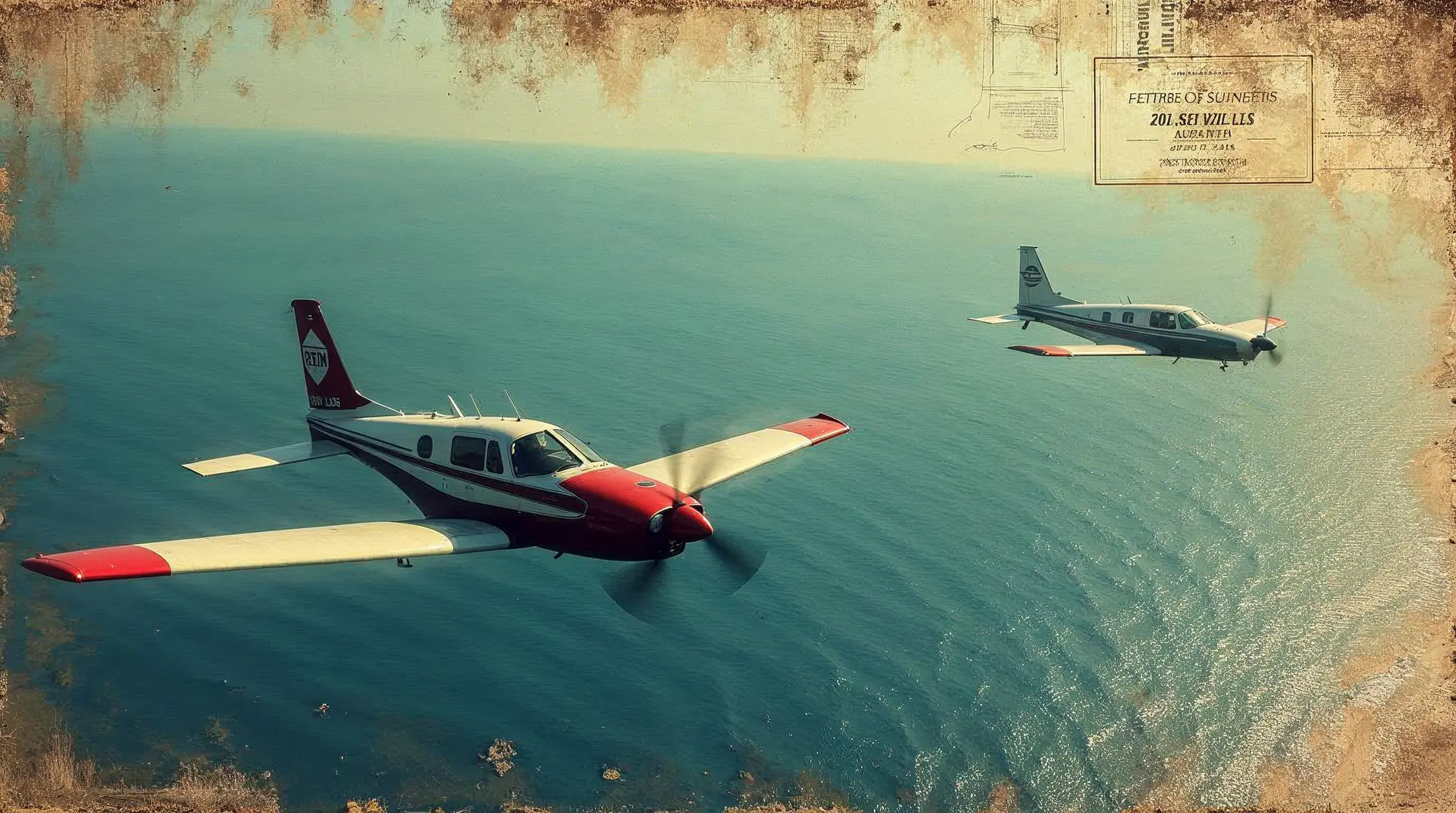
At the time of the shootdown, Raúl Castro commanded Cuba's armed forces. Cuban MiG fighters intercepted the unarmed Cessna aircraft over international waters, according to subsequent investigations by the Organization of American States and the International Civil Aviation Organization, which concluded the action violated international law. Then-President Fidel Castro later acknowledged the military acted under his "general orders" and confirmed discussing the decision with Raúl.
Timing amid diplomatic pressure
The planned indictment arrives as U.S.-Cuba relations deteriorate under intensified Washington pressure. CIA Director John Ratcliffe recently visited Cuba for talks with senior officials, including Raúl Castro's grandson, Raúl Rodríguez Castro, delivering demands from President Trump for "fundamental changes" in the Cuban government. Those discussions occurred against the backdrop of a U.S. oil blockade that has pushed Cuba into humanitarian crisis, with the island experiencing repeated nationwide blackouts and fuel shortages.
Florida Republicans, including Senator Rick Scott and Governor Ron DeSantis, have actively lobbied for criminal charges related to the 1996 case. The Brothers to the Rescue organization, founded by Cuban exiles, conducted search operations for refugees attempting to reach Florida by sea. Cuba claimed at the time that the aircraft violated its airspace—a claim international investigations rejected.
Members are reading: How the indictment functions as leverage in U.S. pressure strategy
Historical grievances meet current crisis
The 1996 incident has remained a point of contention between Washington and Havana for three decades. Brothers to the Rescue had conducted multiple flights into or near Cuban airspace in the months preceding the shootdown, dropping leaflets and broadcasting messages encouraging Cubans to defect. Cuban authorities warned the organization repeatedly that such flights constituted provocations.
The shootdown occurred in international airspace according to ICAO and OAS investigations, making it a clear violation of international aviation law. The loss of four civilian lives—Armando Alejandre Jr., Carlos Costa, Mario de la Peña, and Pablo Morales—became a rallying point for Cuban exile communities and hardline U.S. policy advocates.
Whether a grand jury will approve the indictment remains uncertain, though Justice Department officials' willingness to disclose the plan suggests confidence in the legal basis. Even if approved, the indictment carries no immediate enforcement mechanism—Raúl Castro remains in Cuba, which does not extradite its citizens to the United States. The indictment would, however, restrict his international travel and create diplomatic complications for any nation hosting him. More importantly, it establishes a legal record that the U.S. holds Cuba's former military leadership criminally accountable for actions taken against American civilians, a framework that could extend to other historical grievances as U.S.-Cuba tensions intensify.
Subscribe to our free newsletter to unlock direct links to all sources used in this article.
We believe you deserve to verify everything we write. That's why we meticulously document every source.


