


Secretary of State Marco Rubio said in an interview published Thursday that the seven-month U.S. pressure campaign against Cuba is designed to eliminate every avenue the Havana government has historically used to survive economic shocks. "What we're trying to teach them is, there are no escape valves," Rubio told Axios, describing a strategy that has now sanctioned more than 40 entities and 38 individuals across Cuba's fuel, banking, mining and military-supply networks.
The remark lands alongside a disclosure by the New York Times that the CIA has stood up a dedicated Cuba task force, placing the island alongside China, Iran and Russia as a top-tier intelligence target. Rubio frames the timing as decisive: the January seizure of Venezuelan leader Nicolás Maduro cut a flow of up to 100,000 barrels of oil a day that had sustained Havana since the Soviet collapse. "For the first time in Cuba's history," Rubio said, "Cuba lacks two things they've always relied on: an outside sponsor and the U.S.'s lack of attention on it as a top priority."
The mechanics of the squeeze
The most recent sanctions tranche, issued August 6 under Executive Order 14404, targeted Cuba's military procurement apparatus directly — Defense Minister Álvaro López Miera, General Staff chief Roberto Legra Sotolongo, and military attachés posted in Moscow and Beijing, alongside state trading entities including Tecnoimport and EMI Yuri Gagarin. EO 14404, signed May 1, is the legal engine behind the campaign: it permits Washington to freeze the assets of any foreign bank or company found providing material support to the Cuban government, a secondary-sanctions design that Rubio says is already driving foreign firms out of the market.
John Kavulich of the U.S.-Cuba Trade and Economic Council, who has tracked the embargo since 1994, called it unprecedented in scope. Rubio has set an explicit benchmark: by January 2029, he says, Cuba will be on "an irreversible glide path toward a different future" — a formulation that leaves the destination undefined even as the mechanics tighten, a pattern this outlet has tracked since Cuba's power grid began failing in March.
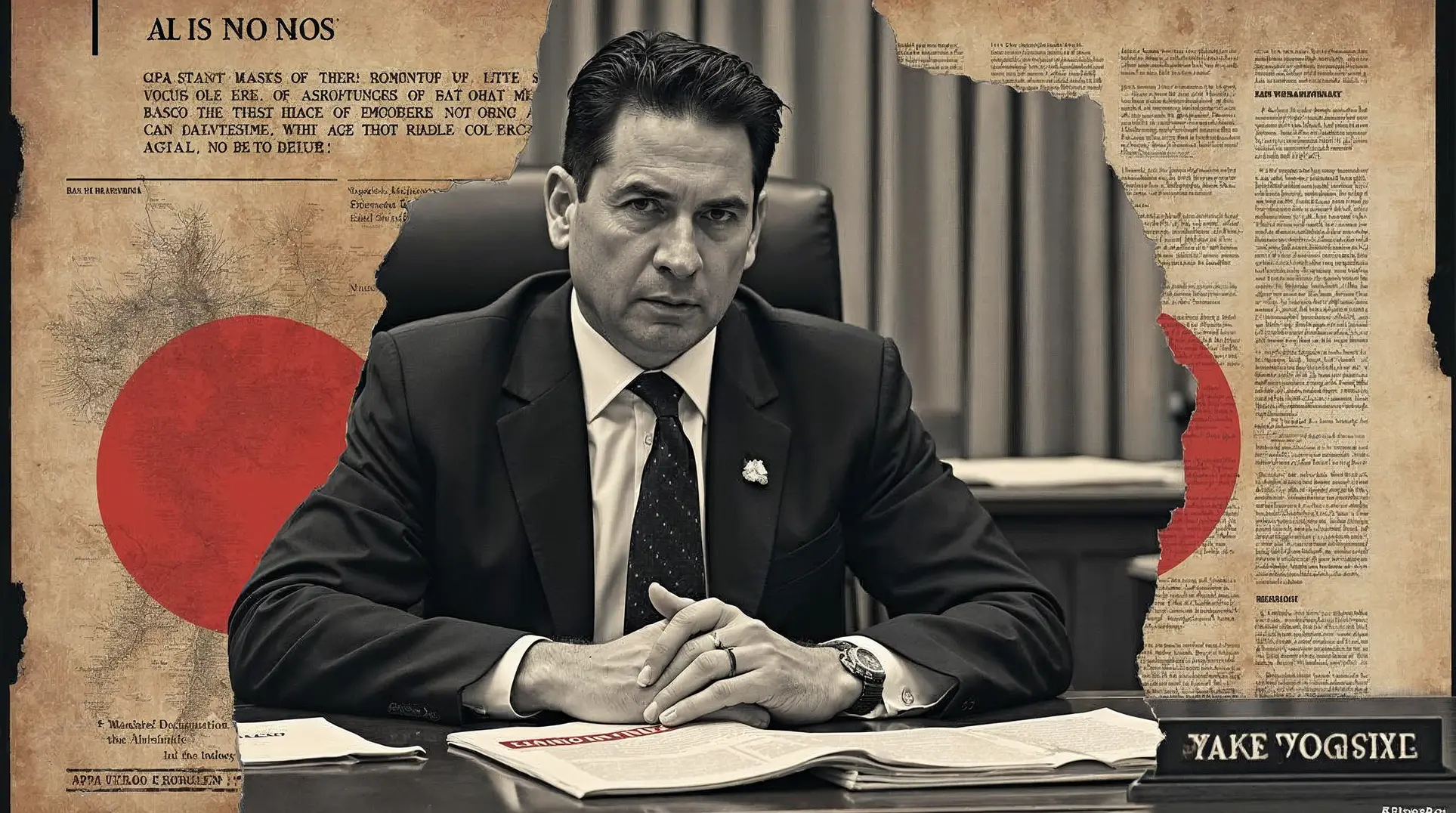
Observers are reading: Rubio's back-channel talks with Raúl Castro's grandson suggest Washington is already pricing in succession.
Become an Observer — it's free. Get full access to all Crisis.Zone analysis, briefings and breaking coverage.
What comes after the squeeze
Havana has denounced the campaign as vengeance dressed as policy, while UN human rights experts have warned of a "silent Gaza" as fuel imports for humanitarian purposes grow harder to secure — a trajectory this outlet has documented through successive blackouts and prisoner releases over the past six months. Rubio's "irreversible glide path" is, for now, a statement of confidence rather than a settled outcome — and the island's growing reliance on the same power squeezing it may shape that future as much as the sanctions themselves.
Become an Observer — it's free — to unlock direct links to all sources used in this article.
We believe you deserve to verify everything we write. That's why we meticulously document every source.


