


U.S. federal prosecutors in Miami unsealed an indictment May 20 charging former Cuban President Raúl Castro, 94, with conspiracy to murder U.S. nationals and four counts of homicide over the February 24, 1996 shootdown of two civilian aircraft that killed four people. The charges stem from an incident in which Cuban MiG fighters intercepted and destroyed two unarmed Cessna aircraft operated by Miami-based exile group Brothers to the Rescue over international waters, killing Carlos Costa, Armando Alejandre Jr., Mario de la Peña, and Pablo Morales.
Prosecutors allege Raúl Castro, who served as Cuba's defense minister at the time, authorized the use of decisive and deadly action through his command of the Cuban armed forces. According to the indictment, "All orders to kill by the Cuban military traveled through [the armed forces'] chain of command with [Raúl Castro] and Fidel Castro as the final decision makers." International investigations by the International Civil Aviation Organization and the Organization of American States concluded the shootdown occurred in international airspace, violating international aviation law. The announcement on Cuban Independence Day at Miami's historic Freedom Tower underscores the political symbolism of the prosecution.
Latest situation update
The indictment names six defendants total, including Cuban military pilots who carried out the attack. One co-defendant, Luis Raul Gonzalez-Pardo Rodriguez, is already in U.S. custody on unrelated charges. Cuba's current President Miguel Díaz-Canel has dismissed the charges as a "political maneuver without any legal basis," claiming the U.S. is "lying and manipulating the events." Cuba maintains the aircraft violated its airspace, a claim rejected by multiple international investigations.
The timing coincides with intensifying U.S. pressure on Cuba following months of nationwide blackouts caused by fuel shortages. The Trump administration has implemented what amounts to an oil blockade after pressuring Venezuela's interim government to halt fuel shipments to Cuba. President Trump stated in March he expects to have the "honor" of "taking Cuba in some form," while CIA Director John Ratcliffe has conducted talks with senior Cuban officials, including Raúl Castro's grandson, delivering demands for "fundamental changes" in the Cuban government. Florida Republicans, including Senator Rick Scott and Governor Ron DeSantis, have actively lobbied for criminal charges related to the 1996 case.
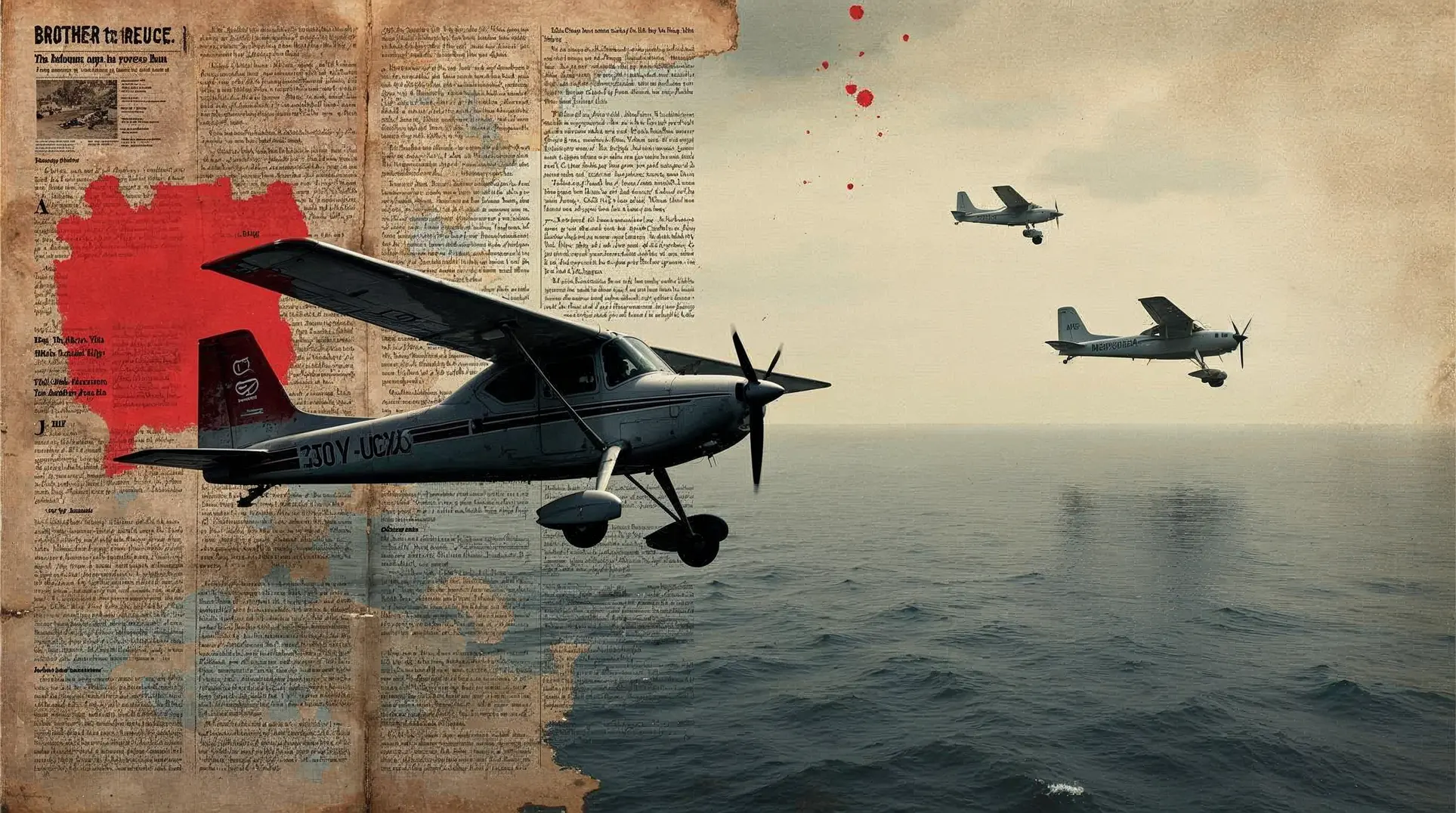
Members are reading: How the indictment functions as maximum-pressure leverage during Cuba's humanitarian crisis
Diplomatic implications remain unclear
The 1996 incident has been a point of contention for three decades. Brothers to the Rescue conducted humanitarian search-and-rescue flights for Cuban rafters attempting to reach Florida, but also dropped leaflets and broadcast messages encouraging defection. Cuban authorities issued repeated warnings that such flights constituted provocations before ordering the military action. Then-President Fidel Castro later acknowledged the military acted under his "general orders" and confirmed discussing the decision with Raúl.
The practical effect of the indictment on U.S.-Cuba relations remains uncertain. While it creates legal consequences for Raúl Castro personally and sends a clear signal about American resolve, Cuba's refusal to extradite means enforcement depends on his travel outside the island. The charges add another layer of tension to an already deteriorating bilateral relationship marked by energy blockades, infrastructure collapse, and explicit regime-change rhetoric from Washington.
Subscribe to our free newsletter to unlock direct links to all sources used in this article.
We believe you deserve to verify everything we write. That's why we meticulously document every source.


