


Rescue teams in Pereira raised their hands for silence Tuesday, straining to hear whistles or voices beneath collapsed buildings, as Colombia's death toll from Monday's magnitude 7.4 earthquake climbed past 240 with the 72-hour survival window now closing. In Cali, a 35-year-old man was pulled from wreckage at 4 a.m., nearly 24 hours after the ground shook — one of the last confirmed rescues before search efforts began shifting from recovery to reconstruction in the country's largest cities.
The quake, centered near San José del Palmar in Chocó department, is Colombia's strongest this century and deadliest since 1999. It struck three days after President Abelardo de la Espriella's inauguration, making disaster management the first real test of a far-right, first-time head of state who has otherwise built his brand on cracking down on armed groups, not managing earthquakes.
The numbers that don't reconcile
President de la Espriella cited 181 dead nationally on Tuesday; regional tallies from Asocapitales already placed the toll at 240 to 254. The gap is starker on missing persons: the government's figure of 195 sits against roughly 4,100 unresolved cases logged in the independent Colombia Te Busca database. Reuters reported government entities were told not to release their own data, and Bogotá issued no further updates after midday Monday.
That divergence echoes Venezuela's earthquake response in June, where official tallies also lagged catastrophically behind civilian counts before eventually being revised upward by an order of magnitude. Colombia's institutions are not Venezuela's — international observers including Chatham House's Christopher Sabatini have praised de la Espriella's rapid emergency declaration and mobilization of the military. But praise concentrated on Cali and Pereira, where television crews operate, says little about places officials cannot reach.
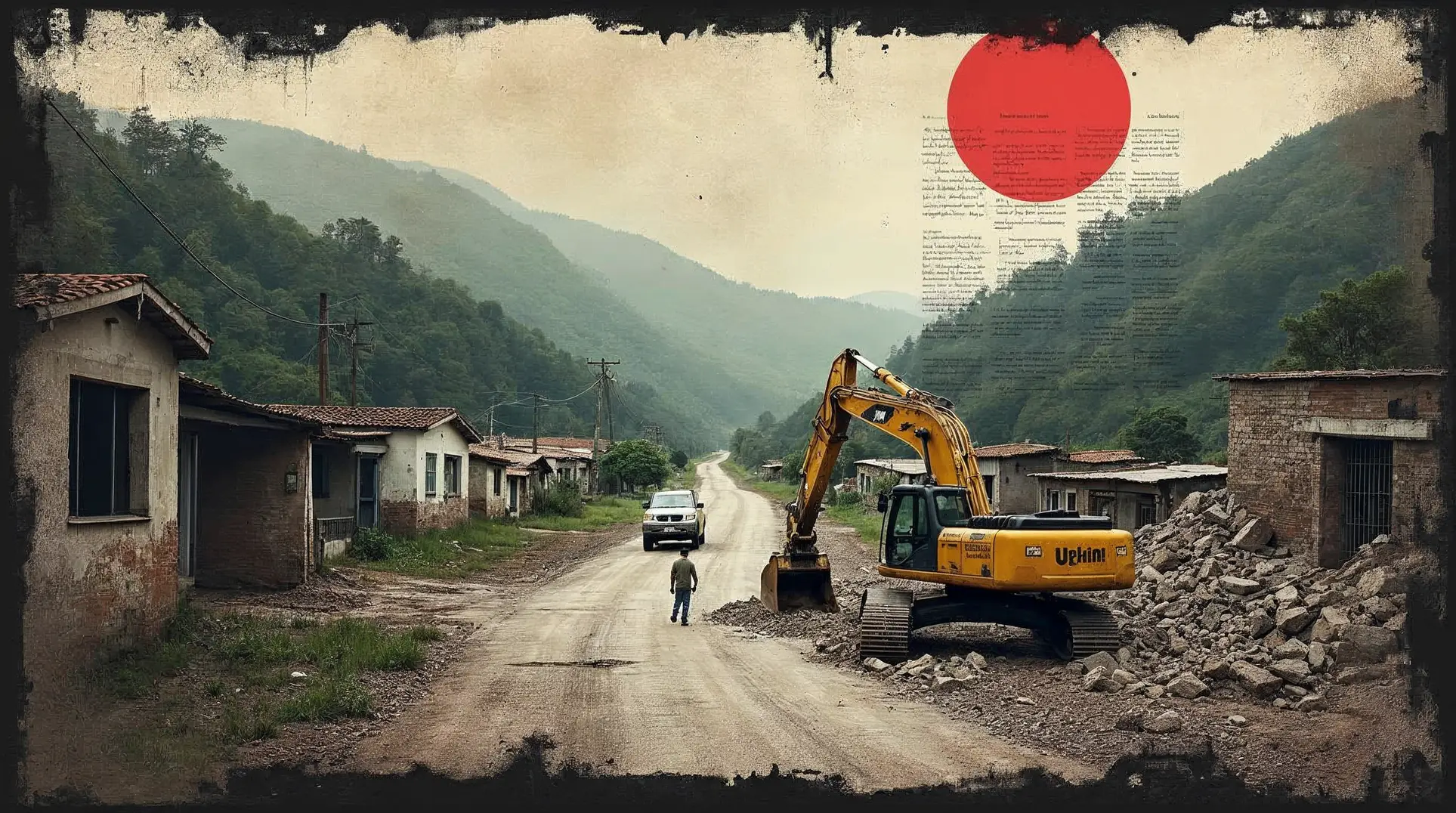
Observers are reading: why Chocó's isolation, not Cali's cameras, will determine if this becomes Colombia's institutional reckoning.
Become an Observer — it's free. Get full access to all Crisis.Zone analysis, briefings and breaking coverage.
A test still being written
Diana Troncoso was pulled alive from Pereira's rubble Tuesday to applause before rescuers again called for silence, continuing the search. The scene captures both what Colombia's response has managed and what it has not yet reached: functioning coordination in the cities, and an unresolved silence from Chocó's interior. The next days will show whether that silence reflects survival or simply distance from where anyone is counting.
Become an Observer — it's free — to unlock direct links to all sources used in this article.
We believe you deserve to verify everything we write. That's why we meticulously document every source.


