


A court ruling on sea rescues, a 60,000-person breach, and a 48-hour reversal leave Spain's enclave counting bodies
At least 72 people are confirmed dead after this week's mass crossing into the Spanish enclave of Ceuta, officials said Sunday, after five more bodies were recovered along the coastline. The toll has risen steadily since Thursday, when an estimated 50,000 to 60,000 people crossed from Morocco into the North African territory within roughly 48 hours — a number exceeding half of Ceuta's own resident population of 84,000.
Spanish government representative Miguel Angel Perez confirmed the latest recoveries at a Sunday press conference. Ceuta President Juan Jesús Vivas told El País the city morgue had received 88 corpses, a figure that includes victims from smaller crossing attempts over the preceding two weeks. Moroccan authorities are separately recovering bodies from their side of the Tarajal breakwater; no official count has been released. More than 1,000 people have been treated by health services since Thursday.
The numbers behind the reversal
What makes this crisis distinct is not only its scale but its speed — in both directions. Most who crossed did so by swimming around the Tarajal breakwater or using flotation devices, arriving predominantly as Moroccan families rather than the unaccompanied minors who characterized a smaller 2021 crossing. By Friday evening, Spain's Interior Ministry said roughly 48,300 people — "virtually all" who had entered — had already returned to Morocco, many voluntarily, citing lack of food and shelter and no route to mainland Spain.
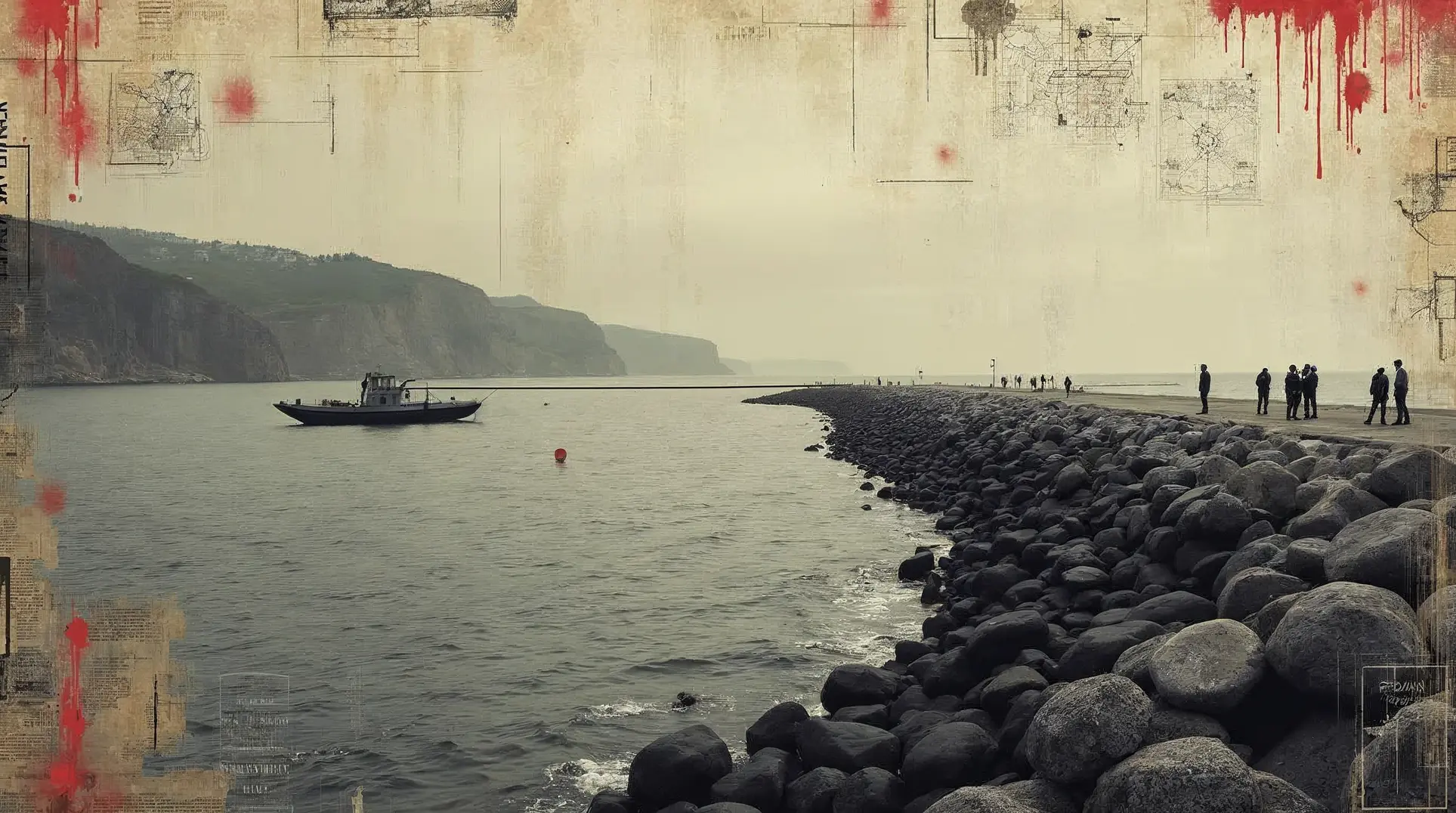
Spain moved quickly to prevent recurrence, installing a 500-metre floating containment barrier off the breakwater on Saturday. The timing is not incidental. On July 8, Spain's Supreme Court ruled that migrants intercepted at sea while attempting to reach Ceuta or Melilla cannot be summarily returned without due process — because, the court reasoned, swimmers do not "cross a border containment element" in the way climbers of the land fence do. The ruling did not grant any right to remain; deportation could still proceed under the 1992 Spain-Morocco readmission agreement. But it identified its own fix: physical barriers in the water would restore the legal basis for immediate returns. That fix is now floating in the strait.
Observers are reading: How Spain's Schengen exemption for Ceuta became a political liability despite stopping zero migrants from reaching the mainland.
Become an Observer — it's free. Get full access to all Crisis.Zone analysis, briefings and breaking coverage.
Europe turns on Madrid anyway
The political fallout outpaced the facts. Italy suspended Schengen arrangements with Spain for a month; France tightened border controls; 22 EU member states signed a letter demanding coordinated border action. Yet Ceuta was never part of the Schengen zone — EU Migration Commissioner Magnus Brunner confirmed "not a single person has crossed to mainland EU." Sánchez called the reaction "selfish, polarising and unlawful." The distinction mattered little politically.
What remains constant is the morgue count. Karima Abenaz, a French national with family in Ceuta, told reporters it "pains me deeply" that "women with children as young as two months old" died crossing. The legal question of who may be returned, and how, continues to be litigated in Madrid's courts. The bodies keep arriving regardless.
Become an Observer — it's free — to unlock direct links to all sources used in this article.
We believe you deserve to verify everything we write. That's why we meticulously document every source.


