


Key takeaways
- Police in Tirana used what appeared to be rubber bullets on October 17, hitting protesters and two Reuters journalists.
- Arrest totals range from 167 to 1,067 across outlets citing police, while prosecutions are consistently recorded at 388.
- Rama rejects resignation and blames domestic rivals and foreign interference, while keeping a 2030 EU accession target.
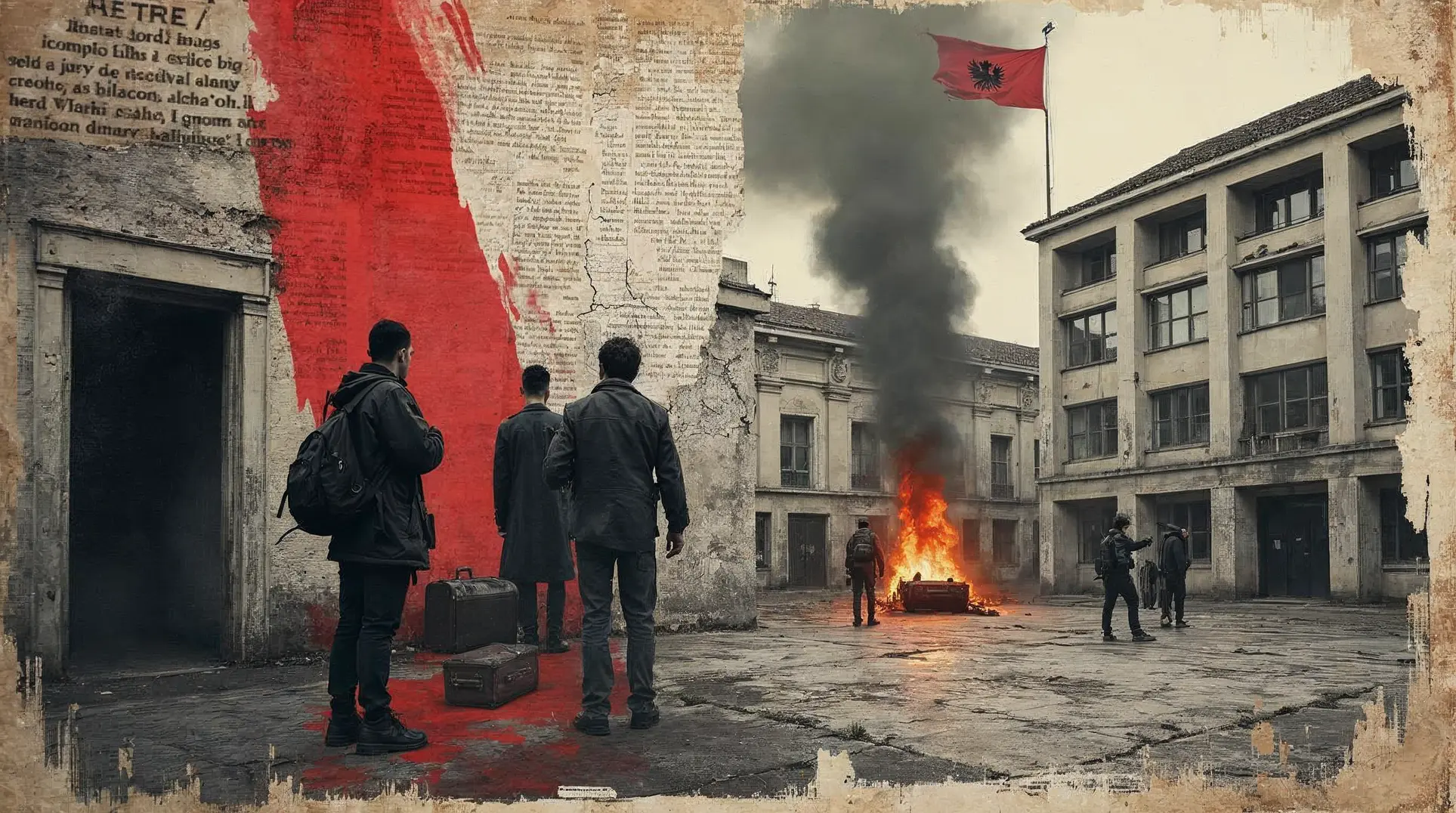
Police in Tirana used what appeared to be rubber bullets against anti-government protesters on Saturday, October 17, 2026, the fifth consecutive day of unrest in Albania. The clashes took place outside Prime Minister Edi Rama's office and the Ministry of Education. Police had earlier relied on tear gas, water cannon, baton charges and stun grenades. The pellets were the first projectile deterrent used in the unrest. They hit several protesters and two Reuters journalists, and Reuters recovered pellets at the scene. Crowds threw rocks, petrol bombs, flares and fireworks, and a vehicle was set alight near Rama's office.
National Police Chief Skender Hita said force was used in a "limited manner". He also confirmed that seven officers were suspended pending disciplinary investigations for "exceeding their authority" and breaching the principle of proportionality. Unrest also spread to Durrës, where local media reported that protesters damaged a post office and blocked roads with burning barricades. The question is whether Rama's European Union accession narrative, which targets 2030, can survive an open confrontation between police and young demonstrators.
Contested figures and Rama's response
Arrest totals vary sharply and are not reconciled here. Bloomberg, the Associated Press (AP) and Euronews, citing Hita, reported 167 arrests. Reuters, citing Hita, reported 1,067 arrests, as did The Jerusalem Post. NBC News reported 500 people detained, 330 of them released. Reuters reported that 388 people were criminally prosecuted.
Injury figures are also partial. Official figures cite 132 police officers injured over the five days. The Ministry of Health said nine protesters and four police officers received medical treatment on Saturday, while NBC, citing police figures, reported 45 protesters registered as injured during the week's protests. Observers say most protester injuries go unrecorded because people fear arrest. That is their assessment and not a verified count.
Rama has rejected calls to resign. He has offered dialogue to students while describing the street unrest as a violent plot by domestic rivals, including Sali Berisha's Democratic Party, and has said foreign interference is distorting the protests. On Facebook he tied his government's mandate to seeing Albania in the EU by 2030.
Observers are reading: how Albania's parliamentary arithmetic, the SPAK probes and Brussels' tolerance combine to shape Rama's room for manoeuvre.
Become an Observer, it's free. Get full access to all Crisis.Zone analysis, briefings and breaking coverage.
What the evidence supports so far
On the reporting available by October 18, the accession narrative remains Rama's to defend but is harder to sustain. Hita's suspension of seven officers is an official acknowledgement that some force exceeded limits. The EU Delegation and the US Embassy in Tirana both issued statements on the protests, Politico and CNA reported. Whether Brussels and Washington keep treating Albania as a stable partner will depend on whether force escalates further, whether the 388 prosecutions proceed and whether dialogue with students begins.
Become an Observer (it's free) to unlock direct links to all sources used in this article.
We believe you deserve to verify everything we write. That's why we meticulously document every source.


