


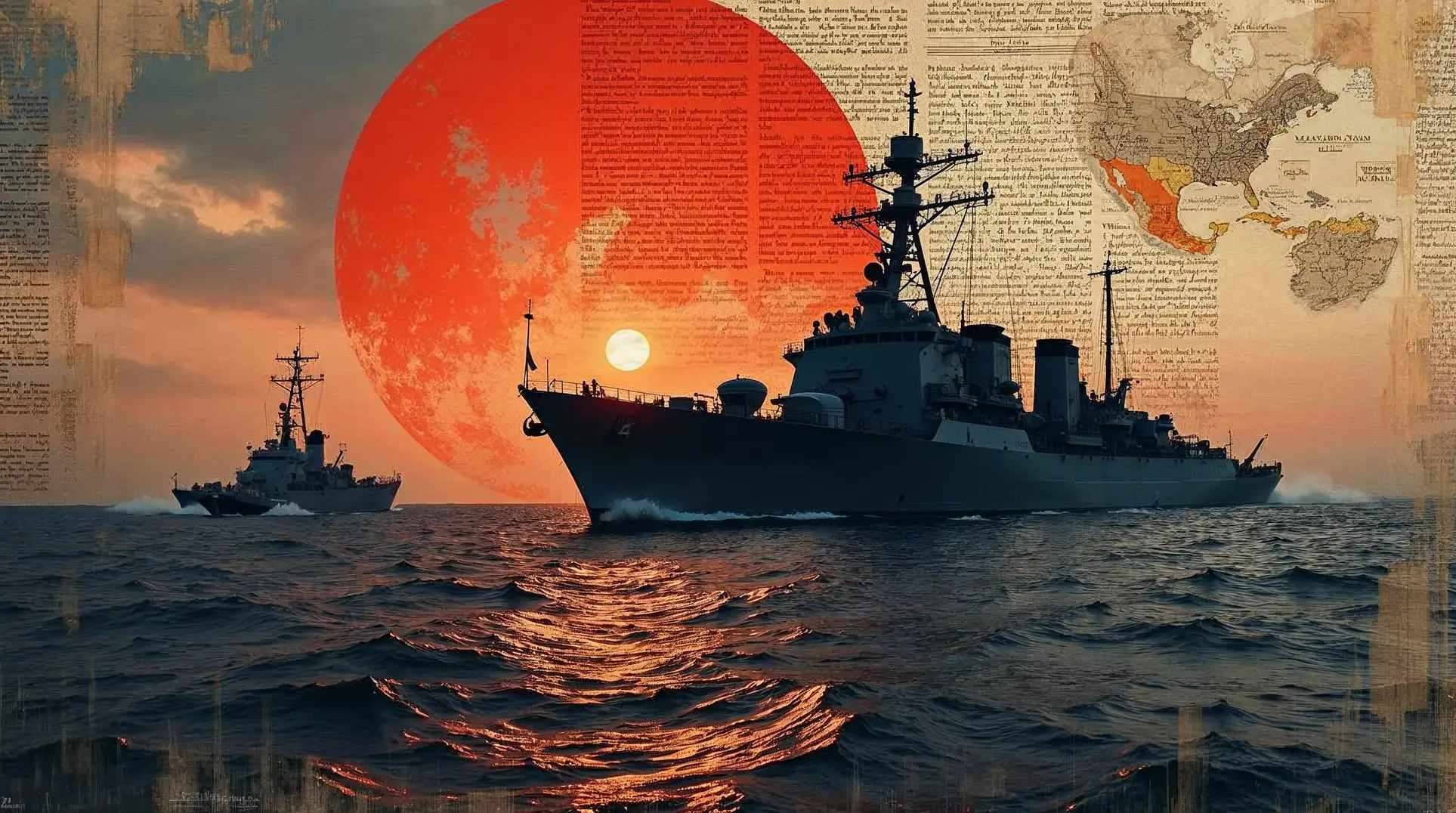
The fourth CELAC-EU summit in Santa Marta, Colombia, convened Sunday with an ambitious agenda: climate cooperation, trade expansion, digital connectivity. By Monday morning, those diplomatic aspirations collided with grim reality. The White House confirmed another military strike on an alleged drug-smuggling vessel in the Caribbean, killing six. The death toll from U.S. naval operations in these waters since September 2025 now exceeds 60.
This brutal arithmetic defines the fundamental tension undermining Latin America's relationship with both the United States and Europe. While diplomats in Santa Marta discussed renewable energy partnerships and food security, Washington's military is conducting what Colombian President Gustavo Petro calls "extrajudicial executions" against vessels that may or may not be carrying narcotics. The European Union, meanwhile, watches from the sidelines—offering rhetorical support for dialogue but lacking the leverage or will to challenge U.S. military dominance in what has become a theater of unilateral action.
The summit's dual reality
The official CELAC-EU summit agenda read like a progressive policy wish list. Representatives from 33 Latin American and Caribbean nations alongside their European counterparts gathered to discuss climate resilience, social development, and economic cooperation. The symbolism mattered—a counterweight to U.S. hegemony, an assertion of multilateral governance, an assertion of partnership between equals.
But the unofficial agenda dominated. Behind closed doors and in corridor conversations, Latin American leaders confronted a stark question: How do you build cooperative frameworks when the hemisphere's dominant power operates according to entirely different rules? President Petro's denunciation of U.S. strikes as extrajudicial killings reflected broader regional frustration. Brazil's President Lula da Silva has consistently advocated for dialogue over military intervention. Yet advocacy without enforcement capacity amounts to diplomatic performance.
The absence of key European leaders sent its own message about the summit's perceived relevance. When the rubber meets the road—when U.S. warships are conducting lethal operations in Caribbean waters—European capital's commitment to Latin American partnership remains abstract. The EU talks about strategic autonomy from Washington but demonstrates little appetite for confronting U.S. actions that undermine the very multilateral cooperation these summits ostensibly champion.
Members are reading: Why U.S. interdiction actually strengthens cartels while undermining the regional cooperation Washington claims to support.
The credibility crisis
The gap between CELAC-EU summit rhetoric and operational reality creates a credibility crisis for multilateral institutions. If dialogue and partnership cannot constrain unilateral military action—if diplomatic summits proceed while warships conduct lethal operations nearby—then what purpose do these institutional frameworks serve beyond providing venues for leaders to vent frustration?
This question cuts to the heart of governance challenges across Latin America. Regional leaders face constituencies demanding they assert sovereignty and resist external intervention. Yet the material power imbalance remains overwhelming. Colombia can denounce U.S. actions; it cannot stop them. Brazil can advocate for peace; it cannot enforce ceasefire. European partners can express concern; they offer no meaningful counterweight to U.S. military dominance.
The result is diplomatic theater: summits that produce communiqués no one expects will be implemented, denunciations that provoke no consequences, partnership agreements undermined before the ink dries. This dynamic ultimately serves Washington's interests by demonstrating the futility of challenging U.S. prerogatives through institutional channels. When cooperation frameworks prove powerless to address the most fundamental sovereignty questions, the multilateral project itself is discredited.
Subscribe to our free newsletter to unlock direct links to all sources used in this article.
We believe you deserve to verify everything we write. That's why we meticulously document every source.


