


Developing story
We are following this story for new developments and will update this article when significant news emerges.
Monitored since 4 November 2026 | no updates yet
Key takeaways
- Horn Observer reported all US troops left Baledogle airfield in Somalia; Stars and Stripes relayed it on 3 November.
- AFRICOM neither confirmed nor denied the departure, saying only that it repositions forces; troop numbers and destination remain undisclosed.
- Uganda began withdrawing bilateral troops on 2 November; AFP reported the US ended funding for a UN logistics office.
All US troops have reportedly left Baledogle Military Airfield in southern Somalia, about 60 miles (97 km) northwest of Mogadishu. The Somali outlet Horn Observer reported the departure "last week". Stars and Stripes relayed the account on 3 November 2026 without independently confirming it. US Africa Command (AFRICOM) has neither confirmed nor denied it.
AFRICOM did not directly address questions on Monday 2 November, Stars and Stripes reported. A spokesman said: "In the interest of maintaining operational security, we do not discuss details of ongoing operations." He said the command "repositions its forces to optimize for ongoing counterterror operations." Stars and Stripes said it was unclear how many troops were involved or where they went. The coverage available by 4 November carried no Somali government statement on Baledogle.
What the base does
Stars and Stripes describes Baledogle as a base for intelligence gathering that supported US efforts to train Somali forces against al-Shabaab, the militant group seeking to overthrow the government. That training role has included the Somali National Army's elite Danab special operations brigade.
In May 2025, Combined Joint Task Force-Horn of Africa announced a new medical facility, plus housing and security improvements. It said the projects were meant to develop the airfield "as an enduring location." Stars and Stripes wrote that any pullout "would mark a significant shift from just a year ago."
US troop levels have moved before, the paper noted. Donald Trump ordered about 700 troops out of Somalia in 2020, at the end of his first term. Joe Biden ordered hundreds back in May 2022.
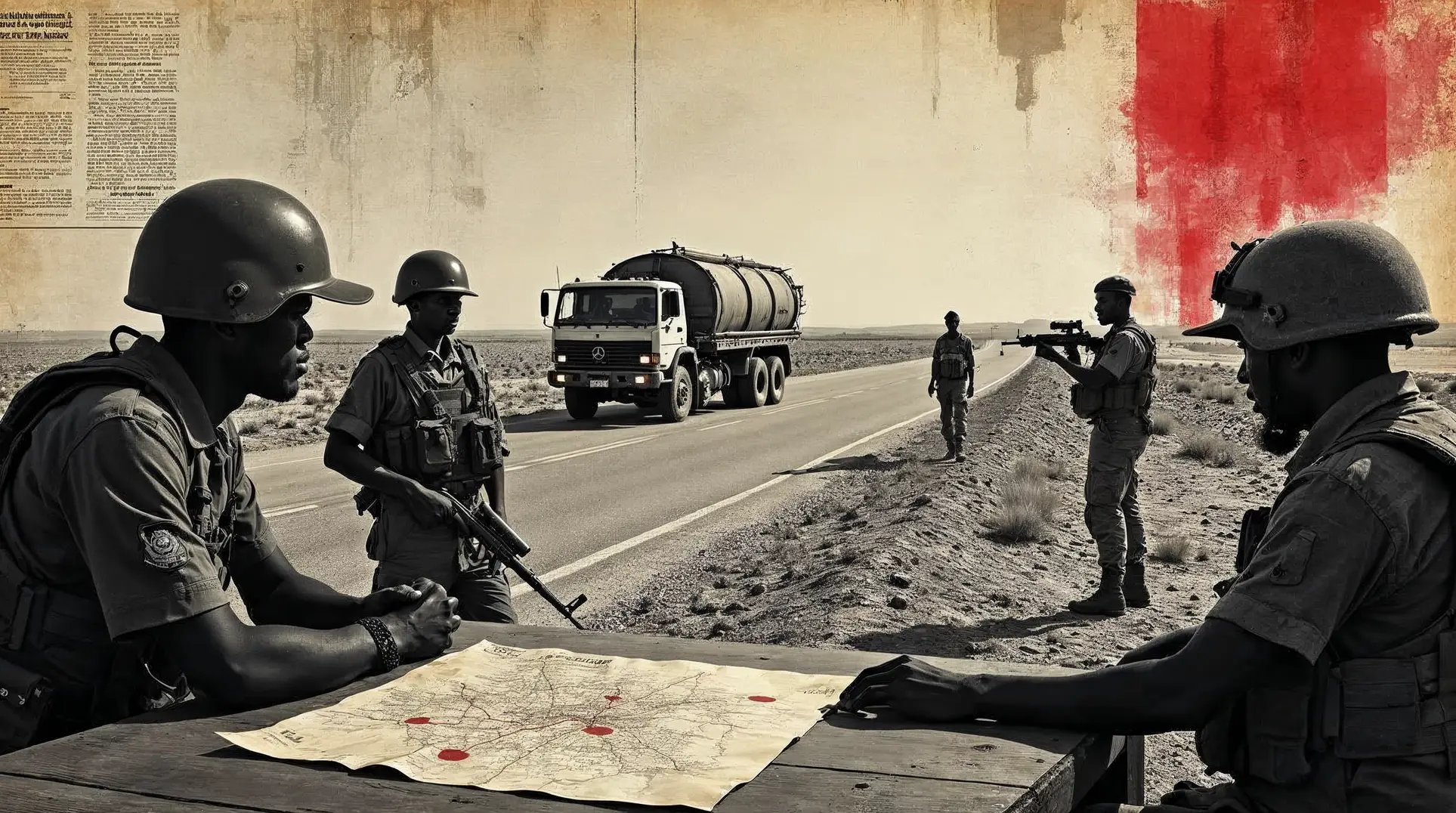
Observers are reading: How the Ugandan, UN and US changes overlap near Mogadishu, and the four indicators to watch.
Become an Observer, it's free. Get full access to all Crisis.Zone analysis, briefings and breaking coverage.
A commitment described as enduring
AFRICOM's statement refers to repositioning forces generally and does not mention Baledogle. A year after the task force called the airfield an enduring location, the command has given no explanation for the reported exit. Farhan Isak Yusuf, of Somali Public Agenda, told AP the Somali army lacks resources and faces a difficult security environment. AFP says elections are due in May 2027, but insecurity and political disputes threaten the process.
Become an Observer (it's free) to unlock direct links to all sources used in this article.
We believe you deserve to verify everything we write. That's why we meticulously document every source.


