


Key takeaways
- Kenyan authorities, UNHCR and the Kenya Red Cross are registering displaced Ethiopians in Marsabit County, with the UN reporting some 50,000 arrivals by 29 October.
- Agencies seek about $8.9 million for three months, while a multi-agency assessment found fighting still ongoing in Moyale on 3 November.
- The Africa Intelligence Brief reported three grenades landing on 1 November, striking Sessi Primary School, and Kenya relocated two exam centres.
Kenyan authorities, working with the UN refugee agency UNHCR and the Kenya Red Cross Society, began registering displaced Ethiopians around 31 October at temporary reception sites in Marsabit County, including the Harhosa and OMC camps, Eastleigh Voice reported on 4 November, citing Kenyan media. Teams fit arrivals with blue wristbands that carry unique identification codes. The UN said some 50,000 people had crossed into Kenya as of 29 October, up from 36,000 two days earlier, Africanews reported on 3 November, citing AFP. Agencies have appealed for about $8.9 million for a three-month response.
The arrivals fled unrest in the Ethiopian half of Moyale, a town the Oromia and Somali regional states administer jointly, according to AFP, via Africanews. A government-led multi-agency assessment said fighting was still ongoing on 3 November.
How a flag dispute became a displacement
Addis Standard, citing residents, dates the trigger to around 18 October, when the Somali Region reportedly opened a new administration office in Kebele 02 of Moyale. A dispute broke out over the raising of the Somali Regional State flag and the opening of a related administrative office. Tensions then intensified after the killing of a 13-year-old girl, identified in local accounts as Diqqoo Jaataan Aagaa. AFP reported that unrest began on 20 October, after a Somali regional flag was hoisted on the Ethiopian side of the town.
By 22 October, Addis Standard reported heavy gunfire, civilian casualties and burned homes and businesses in Moyale, with residents and local security officials saying the fighting had spread to Gumi Eldallo, Wachile and Arero. AFP's sources said several people had died. Reuters, citing an unnamed official at a hospital on the Ethiopian side, reported at least nine deaths by 23 October. No independently verified death toll has been published.
Fatima Mohammed-Cole, UNHCR's representative for Kenya, said the figure "could quickly change given the situation on the ground", Africanews reported on 3 November. She said many of those who fled are women and children. "While some are staying with relatives and host communities, others have sought shelter in temporary locations like schools and churches," she said. Addis Standard says more than 50,000 people have reportedly crossed into Kenya since fighting intensified in late October.
Household profiling and assistance cards are due to follow the wristbands, to identify families and coordinate aid.
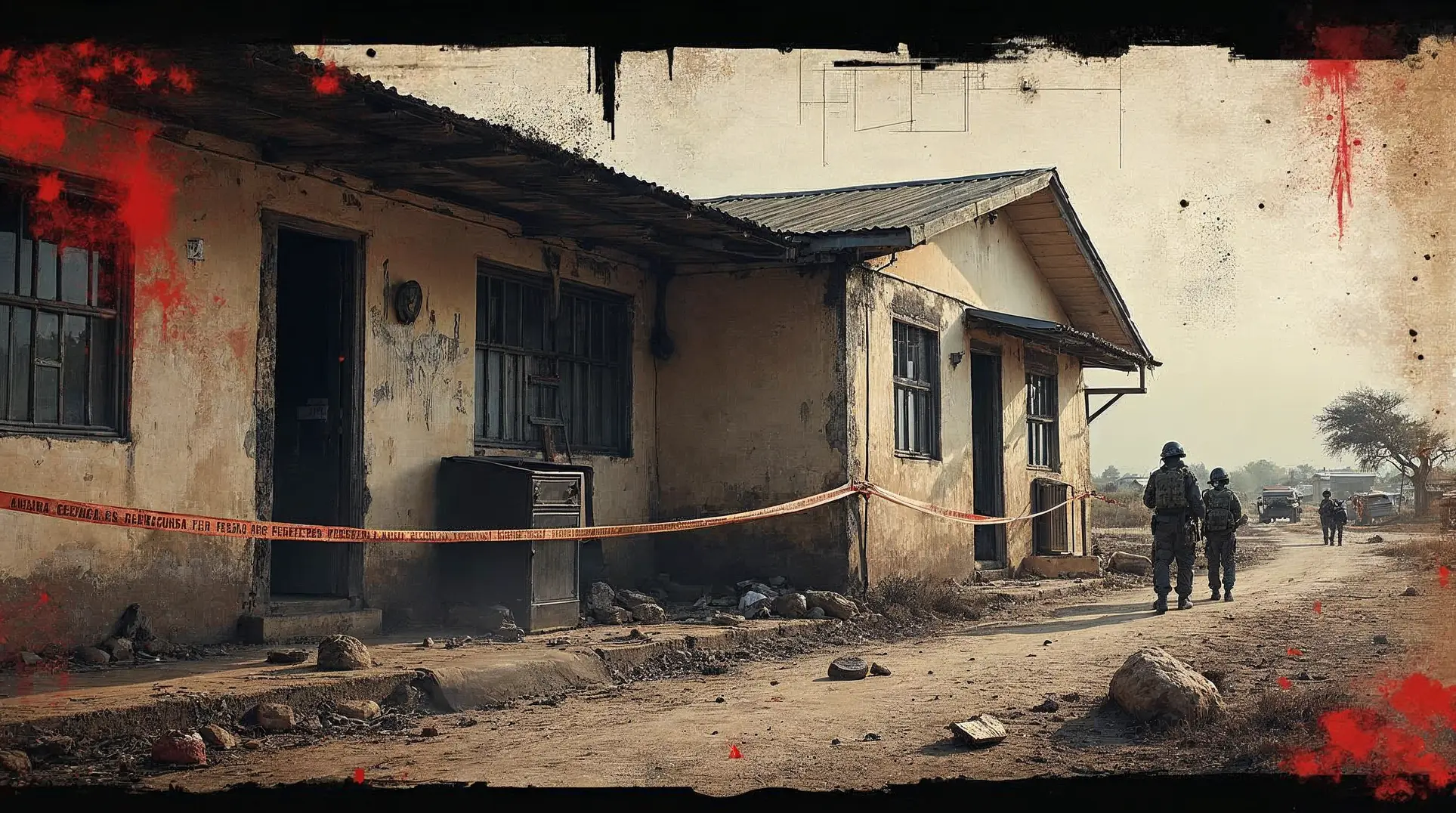
Observers are reading: the rocket-propelled grenade found at Sessi Primary School, the two relocated exam centres, and what they show about Kenya's border-management capacity.
Become an Observer, it's free. Get full access to all Crisis.Zone analysis, briefings and breaking coverage.
What to watch
None of the reporting links the Moyale fighting to the armed alliance now fighting Addis Ababa. The sources describe a local dispute between Oromia and Somali regional authorities and communities. Addis Standard traces it to a flag dispute after the Somali Region opened an administration office in Moyale around 18 October. Education Cabinet Secretary Julius Ogamba attributes the relocation of two examination centres in Moyale Sub-County to clan clashes along the Kenya-Ethiopia border. It unfolds amid wider Ethiopian instability, set out in Crisis.Zone's analysis of why the 2022 Pretoria Agreement left Ethiopia's peace structurally unable to hold and of the alliance fighting the federal government.
Four things will show how far Kenya's response can stretch. One is whether the $8.9 million appeal is funded. A three-month appeal is a short horizon against fighting that was still under way on 3 November. Another is whether household profiling confirms the 50,000 figure. The third is whether the fighting subsides. The last is whether border security measures hold and the exam centres keep running.
Become an Observer (it's free) to unlock direct links to all sources used in this article.
We believe you deserve to verify everything we write. That's why we meticulously document every source.


