


Key takeaways
- Congo's health ministry bulletin, reported by AP on 31 October, counts 5,026 deaths among 10,351 confirmed Ebola cases.
- WHO's Patrick Otim said about a third of recorded deaths occurred outside treatment centres, before testing.
- No vaccine or treatment is approved for Bundibugyo, and Tchomia health workers struck on 30 October over unpaid wages.
Congo's Ebola outbreak has killed 5,026 people among 10,351 confirmed cases, according to the latest health ministry bulletin reported by the Associated Press (AP) on Saturday 31 October 2026. AP also reported 2,788 recoveries, citing the same bulletin. That is a fatality rate of about 48.6 percent among confirmed cases. Reuters and Al Jazeera reported on Friday 30 October that government data showed deaths had passed 5,000 and infections 10,000. Neither gave the 5,026 figure.
The outbreak, caused by the Bundibugyo strain of Ebola, was declared in mid-May. The World Health Organization (WHO) declared a public health emergency of international concern in May. Deaths passed 1,000 in late July. Reuters reported on 2 October, citing government data, that deaths had passed 4,000. AP, Reuters and Al Jazeera describe it as Congo's deadliest Ebola outbreak and the second-largest ever.
The toll counts confirmed cases only
The 5,026 deaths are among confirmed cases. The bulletins as reported give no separate figure for suspected cases or suspected deaths. The European Centre for Disease Prevention and Control (ECDC) has said that, given gaps in epidemiological information and limited follow-up of contacts, the outbreak is likely larger than currently reported.
Dr Patrick Otim, a WHO programme area manager, told AP that about a third of recorded deaths occurred outside treatment centres, before testing. "These are people we never had opportunity to try to save ... and it is one of the biggest concerns for us in this outbreak," he said. Deaths in communities are a problem this site has tracked for weeks. In its 23 October update, WHO reported that 307 of the 482 deaths since its previous update occurred in communities.
Tracing is also behind the virus. Africa CDC, the continent's public health agency, said, according to AP, that about 80 percent of new cases come from outside known contact chains. WHO's 23 October report separately put contact follow-up at about 80 percent, below its 95 percent target.
Otim described the milestone to AP: "It is a very tragic milestone because it is just not a number. It is families and communities that have been devastated by this outbreak."
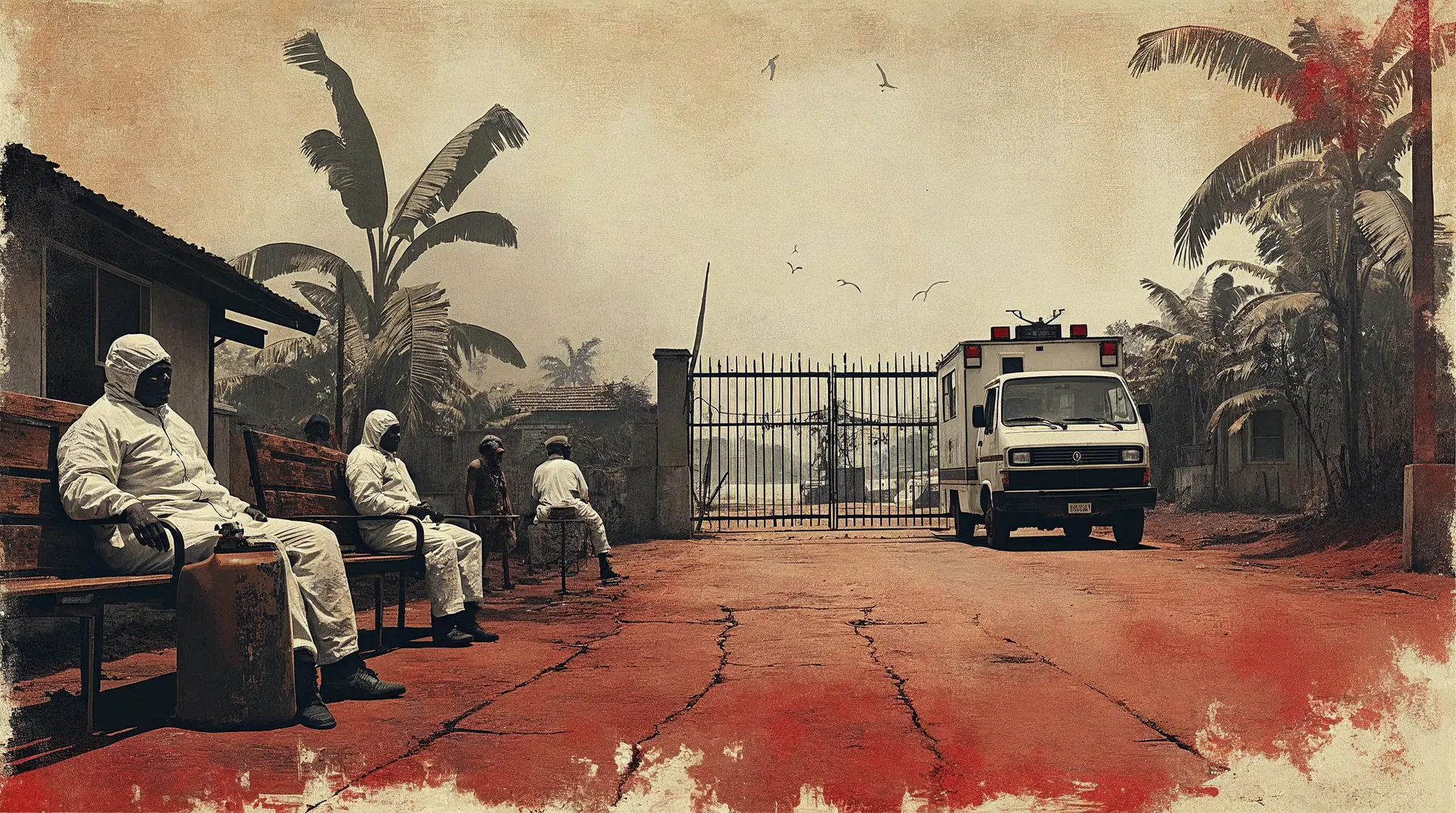
Observers are reading: our reading of how unpaid wages, insecurity and the lack of a licensed vaccine may combine to keep the confirmed count a minimum.
Become an Observer, it's free. Get full access to all Crisis.Zone analysis, briefings and breaking coverage.
Beyond Congo, and what the count leaves out
Uganda has declared its outbreak over, WHO says. Kenya reported its first imported case on 6 October and a small cluster since, according to WHO. WHO and AP give different counts. On Friday 30 October, Saudi Arabia suspended travel to and entry from Kenya, the Saudi Press Agency said via Al Jazeera. It also barred entry for travellers who had stayed in Kenya or other Ebola-affected countries in the previous 21 days. WHO advises against any restriction of travel to, or trade with, affected countries. According to a WHO outbreak notice, its risk assessment, reassessed on 14 August and now being revised, rated the risk very high in Congo, high for countries sharing land borders with Congo and low globally.
Whether the outbreak has peaked is not known, and WHO has given no date for trial results. Otim's question to AP frames what the toll counts and what it misses: "How do we try to reach people early to get them to come to health facilities to get a fighting chance to survive?"
Become an Observer (it's free) to unlock direct links to all sources used in this article.
We believe you deserve to verify everything we write. That's why we meticulously document every source.


