


The United States and Iran formally signed a Memorandum of Understanding establishing an immediate and permanent ceasefire, reopening the Strait of Hormuz to toll-free commercial shipping, and initiating a 60-day negotiation period for a comprehensive nuclear framework. President Donald Trump and Iranian President Masoud Pezeshkian electronically confirmed the Pakistan-mediated agreement
The MOU marks the end of a three-and-a-half-month conflict that began in late February 2026 with US and Israeli strikes on Iranian nuclear facilities. The agreement commits both sides to refrain from hostile actions, threats, or use of force across all fronts, including Lebanon, and establishes concrete timelines for de-escalation measures and economic relief.
Immediate implementation measures take effect
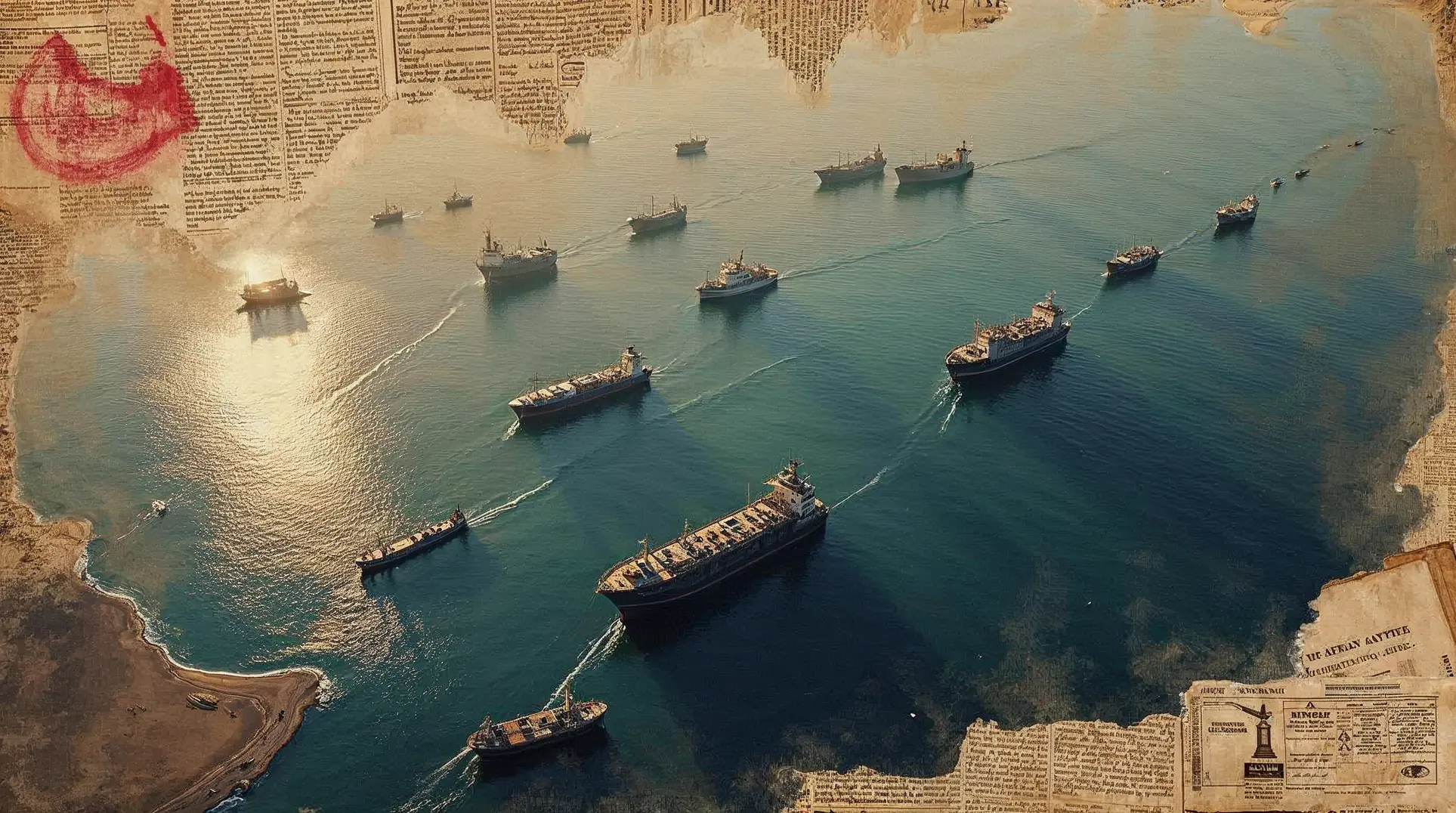
The Strait of Hormuz reopened immediately to toll-free commercial traffic under the agreement terms. US officials project shipping volumes will return to pre-war levels within 30 days, coinciding with the planned lifting of the US naval blockade on Iranian ports. The waterway, which carries approximately 20% of global oil and natural gas supplies, had been effectively closed throughout most of the conflict, creating significant economic pressure on all parties.
Iran has committed to never develop nuclear weapons, dilute its highly enriched uranium stockpiles, and engage in technical negotiations on verification protocols. In exchange, the US will waive oil sanctions and release an estimated $25–$300 billion in frozen Iranian assets and reconstruction funds. The US naval blockade of Iranian ports will be lifted within the 60-day window as the framework takes effect.
Members are reading: How conflicting interpretations of Strait fees and Lebanon ceasefire scope could trigger breakdown within weeks
Agreement follows months of failed negotiations
The MOU represents the culmination of Pakistan's sustained mediation efforts, with support from Turkey and Egypt, following multiple failed ceasefire attempts since March 2026. The conflict killed thousands across Iran and Lebanon, with Iranian missile and drone attacks targeting Israeli cities including Haifa and US military installations throughout the Gulf region. Previous negotiations collapsed over fundamental disagreements on nuclear verification, sanctions relief timelines, and permanent Strait administration.
Commercial shipping operators are expected to begin transit planning immediately, while technical negotiation teams will convene to address nuclear verification protocols before the 60-day deadline expires.
Subscribe to our free newsletter to unlock direct links to all sources used in this article.
We believe you deserve to verify everything we write. That's why we meticulously document every source.


