


A UN peacekeeper was killed and another critically injured on Sunday when a projectile struck a UNIFIL position near Adchit al-Qusayr in southern Lebanon. The Indonesian national became the first confirmed peacekeeper fatality since hostilities resumed on February 28, 2026, marking a dangerous escalation in the direct risk to international personnel deployed between Israeli and Hezbollah forces.
UNIFIL has launched an investigation to determine the projectile's origin but has not yet attributed responsibility. The incident occurs amid intensified fighting in southern Lebanon, where Israeli ground forces have expanded operations and Hezbollah continues resistance operations. Over 1,200 people have been killed in Lebanon since the conflict began, with more than 1 million displaced from southern districts.
UNIFIL records 20 firing incidents
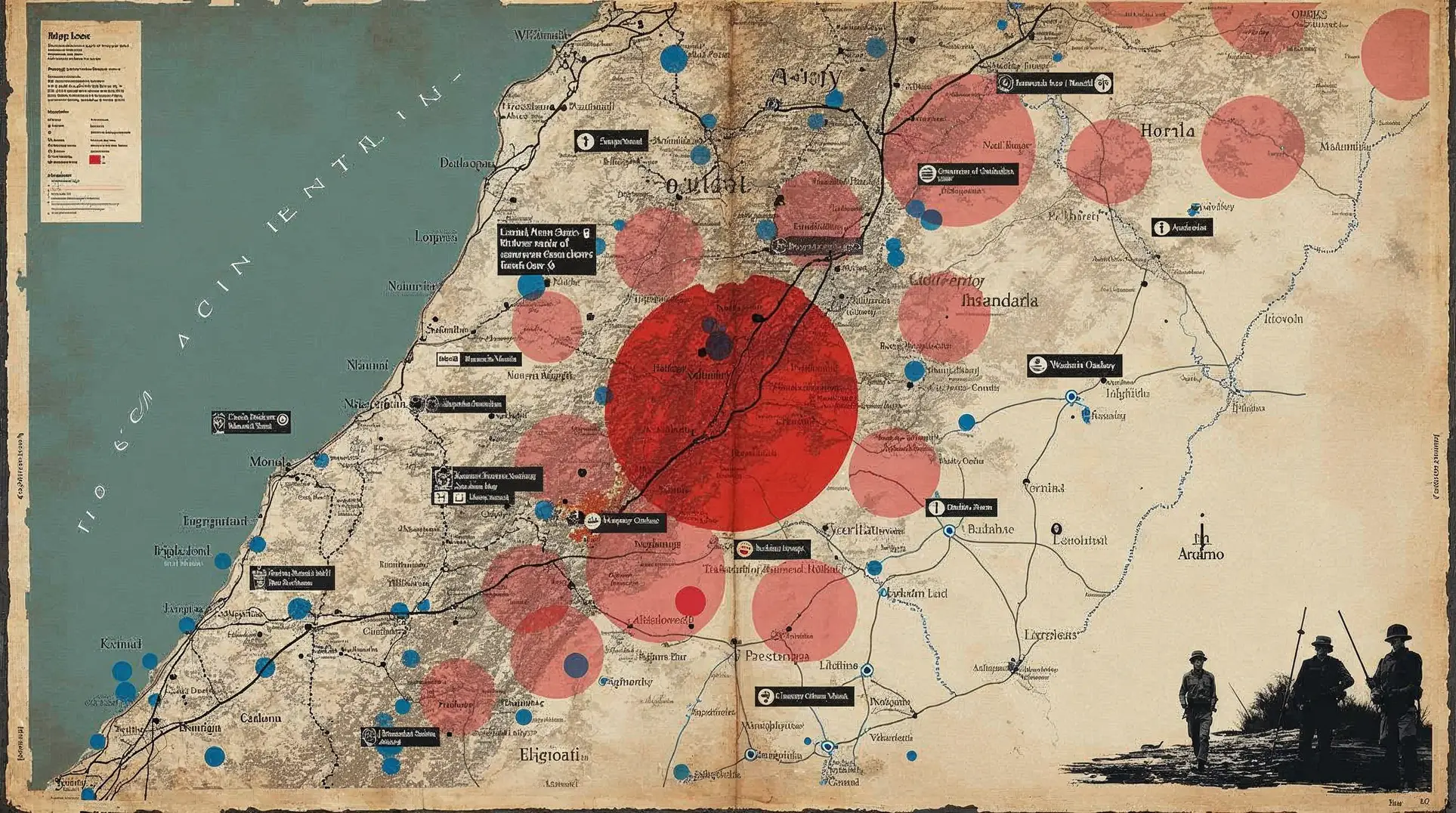
Since hostilities resumed, UNIFIL has documented approximately 20 firing incidents affecting its positions. According to UN records, 60% of these incidents remain of unknown origin, 25% have been attributed to the Israel Defense Forces, and 15% to non-state actors likely including Hezbollah. Four peacekeepers sustained injuries in separate incidents prior to Sunday's fatality, with UNIFIL headquarters and multiple bases struck during the escalation.
The Sunday strike occurred at a position near Adchit al-Qusayr, a village in southern Lebanon's Tyre district. UNIFIL operates under a mandate monitoring the demarcation line with Israel, most recently extended on August 28, 2024, with re-evaluation scheduled for the end of 2026. UN Security Council Resolution 1701, which established the post-2006 ceasefire framework, explicitly prohibits attacks on peacekeepers as violations of international humanitarian law.
Members are reading: Why 60% unknown attribution reveals institutional vulnerability for peacekeeping in active combat zones
International condemnation and accountability calls
UN Secretary-General António Guterres condemned the killing and called for immediate accountability and de-escalation. The attack on peacekeepers constitutes a grave violation of international humanitarian law and Resolution 1701, which has governed the Israel-Lebanon border framework since 2006. The Lebanese government, already strained by Hezbollah's expanded military operations, faces renewed pressure to assert control over southern territories while lacking capacity to prevent either Israeli or Hezbollah operations.
The peacekeeper's death underscores the precarious position of international forces attempting to monitor a ceasefire framework that both primary belligerents have effectively abandoned. With over 1,200 killed and 1 million displaced across Lebanon since the conflict resumed, UNIFIL's mission to prevent hostilities has been rendered obsolete by the scale of military operations conducted within its area of responsibility.
Subscribe to our free newsletter to unlock direct links to all sources used in this article.
We believe you deserve to verify everything we write. That's why we meticulously document every source.


