


Israel's military launched "Operation Roaring Lion" on Tuesday, deploying ground troops into southern Lebanon and conducting intensive airstrikes across Beirut's southern suburbs, the Bekaa Valley, and border villages. The operation follows a second consecutive day of Hezbollah missile and drone attacks explicitly framed by the group as retaliation for the killing of Iran's Supreme Leader, Ayatollah Ali Khamenei. Lebanese authorities reported between 31 and 52 casualties from Israeli airstrikes on Monday and Tuesday, while the United Nations estimates tens of thousands have been displaced from southern districts.
This escalation marks the full activation of Iran's most capable proxy force, transforming what had been a contained conflict between the US-Israel axis and Iran into a multi-front regional war. For Israel, the opening of a serious northern front fundamentally complicates strategic calculations at a moment when military resources remain committed to operations against Iranian targets. For Lebanon, Hezbollah's decision to enter the war has triggered an acute internal political crisis, with the Lebanese government moving to publicly condemn the group and ban its military activities—a step that exposes the deep fractures within the Lebanese state.
Latest situation update
The Israeli Defense Forces confirmed ground troops crossed into southern Lebanon early Tuesday with the stated objective of establishing a buffer zone extending several kilometers from the border. Israeli aircraft conducted over 120 sorties targeting what the IDF described as weapons depots, command centers, and missile launching sites in Beirut's Dahieh district and the Bekaa Valley.
Hezbollah claimed responsibility for launching approximately 180 rockets and 15 drone strikes targeting Israeli military installations in northern Israel and the occupied Golan Heights over the 48-hour period. The group's statement, issued through its Al-Manar television network, directly linked the attacks to "avenging the martyrdom of the Leader of the Resistance Axis." Lebanese sources indicate the group deployed Fateh-110 missiles, Iranian-supplied precision-guided weapons rarely used in previous border skirmishes, suggesting a qualitative shift in the confrontation. The Lebanese government's emergency cabinet session resulted in a formal resolution condemning Hezbollah's actions and calling for the Lebanese Armed Forces to assert control over southern territories—a largely symbolic gesture given the LAF's limited capacity to confront Hezbollah militarily.
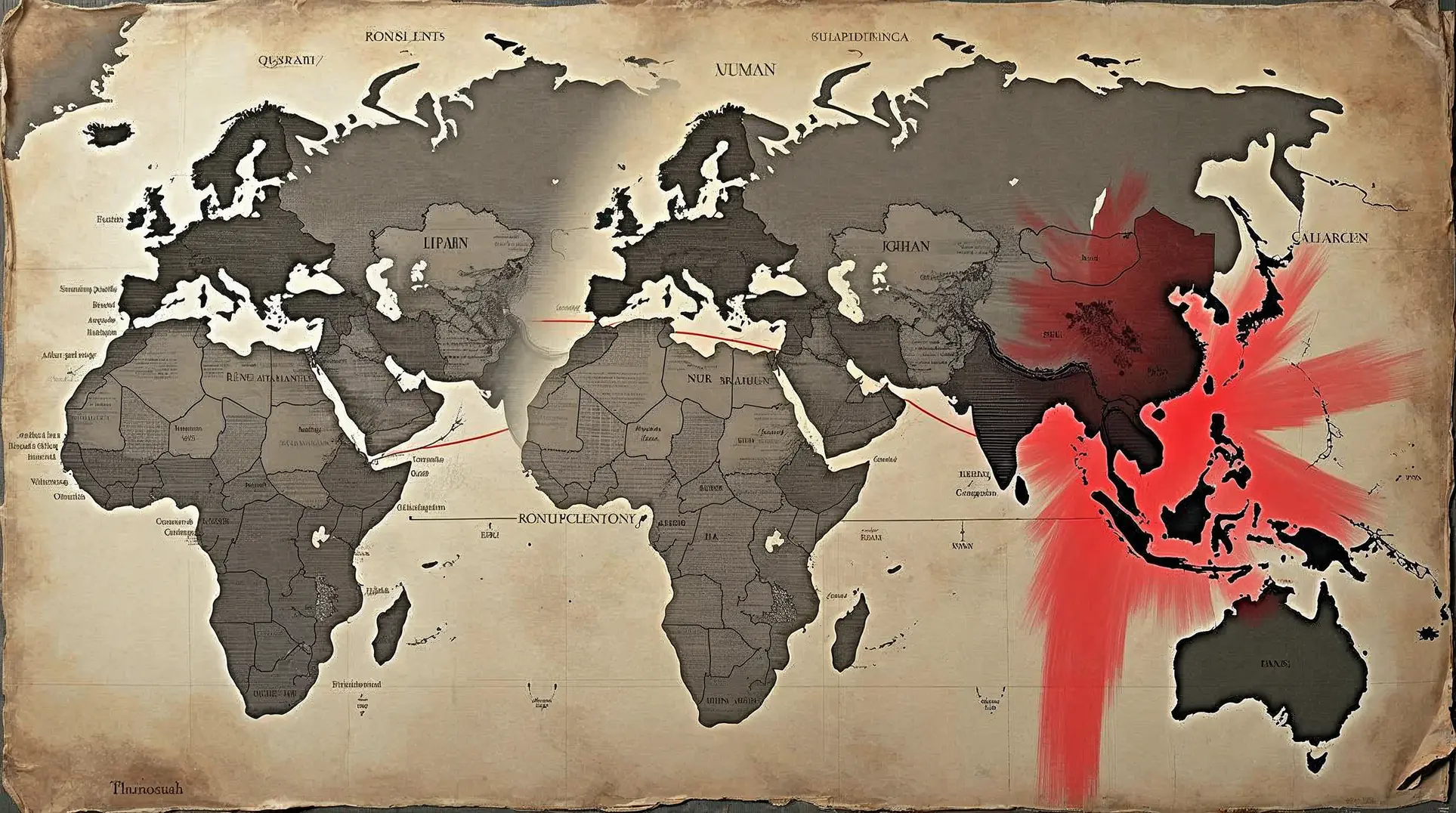
Members are reading: Analysis of Israel's strategic dilemma managing a two-front war and Hezbollah's internal political risks.
The activation of the Lebanon front represents the materialization of Iran's long-cultivated "forward defense" doctrine, using regional proxies to project power and complicate adversary operations. For Israel, the immediate challenge is operational: how to neutralize Hezbollah's threat without becoming mired in a protracted ground campaign while Iranian targets remain the strategic priority. For Lebanon, a state already experiencing economic collapse and political paralysis, Hezbollah's decision to enter a war explicitly tied to Iranian interests has exposed the fundamental fragility of the post-Taif political order. The humanitarian cost is already mounting, and the trajectory of the conflict will be determined by whether either side can achieve tactical objectives quickly enough to avoid a grinding war of attrition neither can afford.
Subscribe to our free newsletter to unlock direct links to all sources used in this article.
We believe you deserve to verify everything we write. That's why we meticulously document every source.


