


Israeli jets launched intensive strikes across Beirut's southern suburbs and southern Lebanon on March 12, 2026, following a significant volley of Hezbollah rockets and drones that targeted northern Israel overnight. The Lebanese Health Ministry reported at least 17 injured in Dahiyeh, with additional strikes on Ramlet al-Baida in central Beirut killing at least 15 people and injuring 52.
This marks the first coordinated Hezbollah-Iran attack since the conflict began on March 2, signaling a potential escalation in Tehran's operational integration with its Lebanese proxy. The Lebanese government, already strained by Hezbollah's entry into the broader regional war, renewed calls for an immediate ceasefire while condemning the group's military activities—a statement that underscores the widening gulf between state institutions and Hezbollah's operational autonomy.
Latest situation update
Israeli warplanes conducted multiple sorties over Beirut's Dahiyeh district early Thursday morning, striking what the IDF described as weapons storage facilities and command infrastructure. Witnesses reported secondary explosions suggesting ammunition stockpiles were hit. The bombardment extended to Ramlet al-Baida on the city's seafront, an area not typically associated with Hezbollah operations, killing civilians and raising questions about target selection criteria.
Hezbollah claimed responsibility for the overnight rocket barrage into northern Israel, describing the operation as coordinated with Iranian forces—the first such explicit joint operation acknowledged by the group since the war began. The Lebanese government issued a statement calling for an immediate ceasefire and urging the international community to intervene, while simultaneously moving to detain IRGC personnel operating within Lebanese territory. The disconnect between these statements and enforcement capacity highlights the Lebanese state's inability to assert control over Hezbollah's military wing.
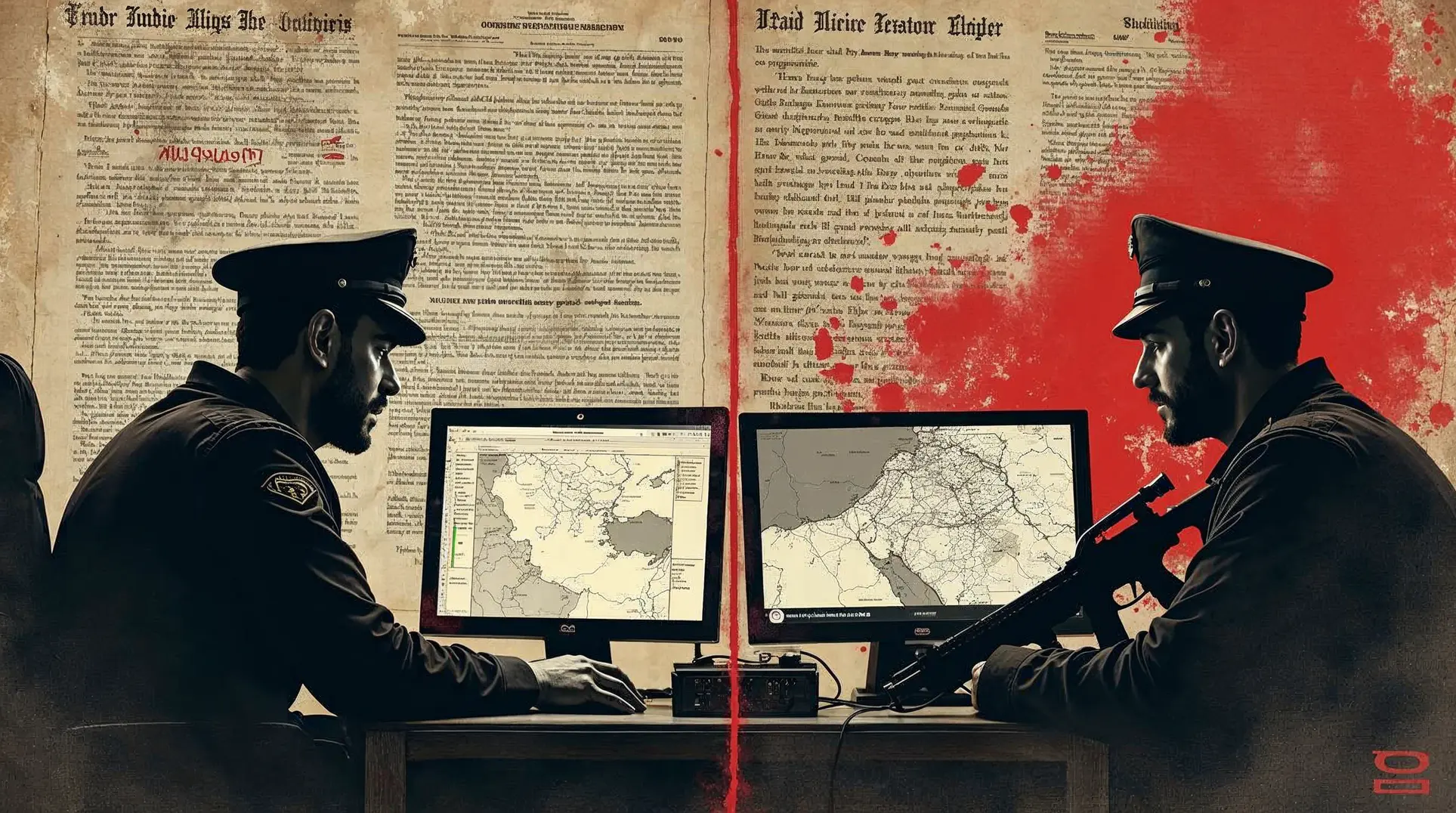
Members are reading: How Iran-Hezbollah operational coordination reshapes the conflict and Lebanon's internal crisis
Lebanon caught in widening war
Israeli officials have warned of "overwhelming force" in response to continued attacks, with some statements suggesting potential targeting of civilian infrastructure if Hezbollah operations persist. The casualty toll since the conflict began on March 2 has exceeded 634 killed in Lebanon, with over 800,000 displaced from southern districts and Beirut's southern suburbs. The broader US-Israel war on Iran has already claimed over 1,230 lives in Iran and triggered a regional crisis with no diplomatic resolution in sight. Lebanon's position as the geographic battleground for Iran's proxy confrontation with Israel places extraordinary strain on a state structure already weakened by years of economic collapse and political paralysis.
Subscribe to our free newsletter to unlock direct links to all sources used in this article.
We believe you deserve to verify everything we write. That's why we meticulously document every source.


