


Ukraine's state nuclear power company has become the center of a corruption scandal that strikes at the heart of Kyiv's credibility with its European partners. The National Anti-Corruption Bureau (NABU) and Specialized Anti-Corruption Prosecutor's Office concluded a 15-month investigation into Energoatom, uncovering a systematic scheme that extracted $100 million in kickbacks from contractors. President Zelenskyy's rapid dismissal of Energy Minister Svitlana Hrynchuk and Justice Minister German Galushchenko signals recognition that corruption revelations threaten the European support upon which Ukraine's survival depends.
The scheme's alleged ringleader, businessman Timur Mindich—a close Zelenskyy associate and co-owner of his former Kvartal 95 production company—reportedly fled Ukraine before raids commenced. The scandal's proximity to the president's inner circle makes this crisis fundamentally different from routine corruption allegations. It tests whether Ukraine can demonstrate institutional accountability when investigations reach those with power, precisely the standard European partners have demanded as condition for continued assistance.
The European credibility challenge
Ukraine faces simultaneous military pressure and infrastructure vulnerability that make European energy sector support non-negotiable. Russia's systematic targeting of electrical infrastructure has created conditions where winter blackouts threaten civilian survival. The European Union has disbursed billions in energy sector loans and continues prioritizing Ukraine's grid stabilization as both humanitarian imperative and strategic necessity. Orbán weaponizes Ukraine's corruption crisis to undermine European solidarity, demonstrating how corruption allegations provide ammunition for those questioning sustained assistance.
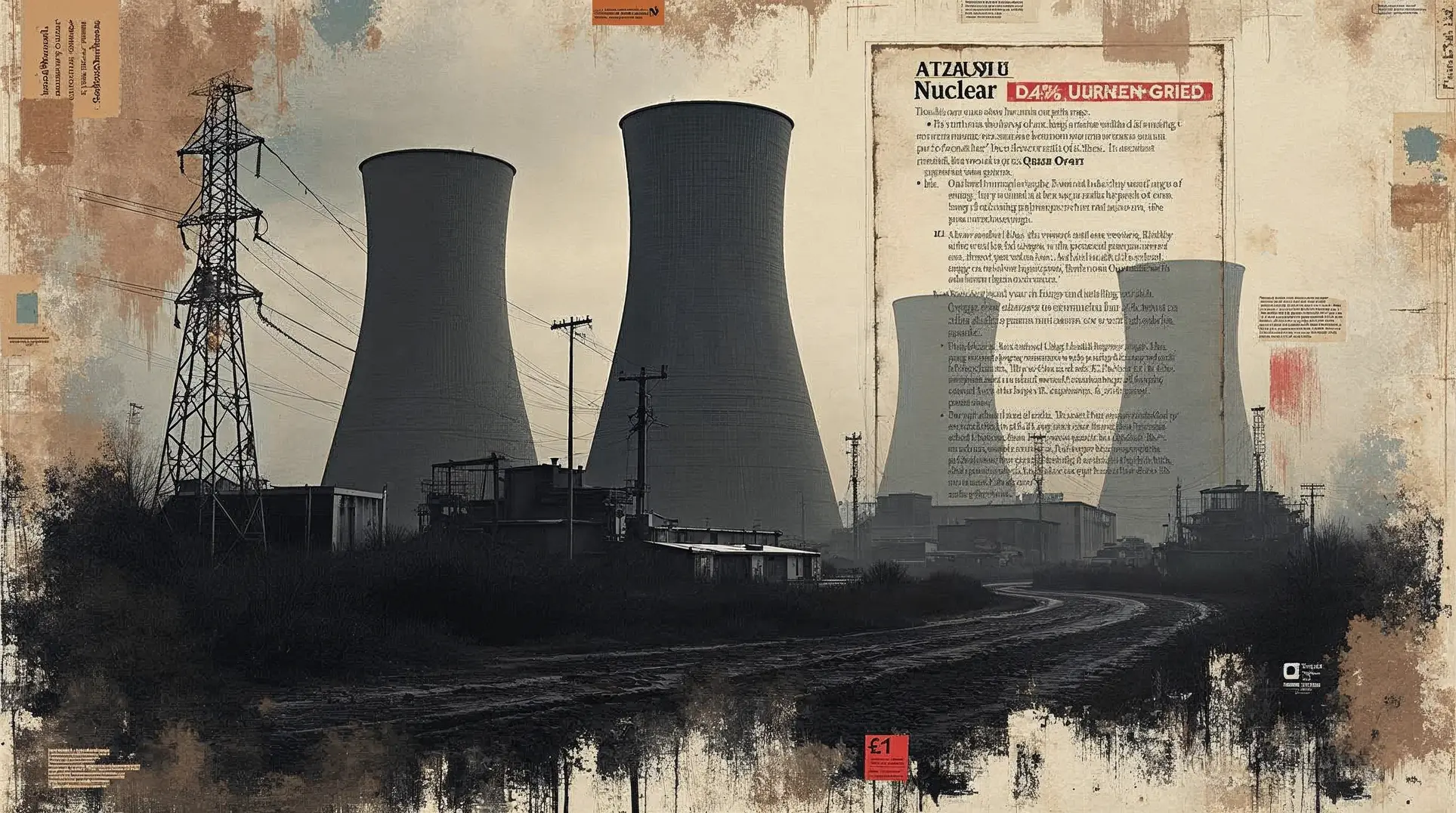
Energoatom, with annual revenues approaching $4.7 billion, represents critical infrastructure whose integrity European partners must trust when transferring financial support. The alleged 10-15% kickback extraction from contractors indicates systemic corruption rather than isolated incidents. Over 1,000 hours of wiretaps documenting the scheme suggest operational security failures that allowed entrenched practices to persist despite wartime scrutiny intensification.
Members are reading: Why this scandal threatens the conditional assistance framework that underpins European support and what Zelenskyy must deliver beyond ministerial dismissals.
The institutional test ahead
Ukraine's anti-corruption institutions now face their defining moment. NABU and SAPO have demonstrated investigative capability through Operation Midas, but investigative success means nothing without judicial follow-through. European partners will measure Ukraine's seriousness through prosecution outcomes, asset recovery, and whether systemic reforms prevent similar schemes.
The broader question extends beyond this single scandal. Ukraine's European integration path requires building institutions resistant to corruption pressures even during national emergencies. Wartime provides both excuse for delayed reforms and urgent justification for ensuring international assistance reaches intended purposes rather than enriching intermediaries.
Zelenskyy's political survival depends on maintaining Western support while managing domestic expectations. Public outrage over corruption among connected elites creates pressure for accountability that cannot be satisfied through ministerial reshuffles alone. Opposition figures will exploit perceived impunity to challenge governance legitimacy, creating internal political vulnerabilities that compound external credibility challenges.
The scandal's ultimate significance lies not in the specific allegations but in what resolution reveals about institutional capacity. Can Ukraine demonstrate that anti-corruption frameworks function even when investigations implicate presidential associates? The answer determines whether European partners can justify continued support as investment in accountable governance or must confront uncomfortable questions about assistance effectiveness.
Subscribe to our free newsletter to unlock direct links to all sources used in this article.
We believe you deserve to verify everything we write. That's why we meticulously document every source.


