


Ukrainian drones push energy warfare far from front lines, halting production at Lukoil's Russian installations
Ukrainian long-range drones struck a Russian oil production platform in the Caspian Sea for the third time in a week, forcing a production halt and extending Kyiv's deep-strike energy campaign hundreds of miles beyond the front lines. A security source told Reuters on Monday that the latest attack targeted the Korchagin oil rig operated by Lukoil-Nizhnevolzhskneft, previously struck last week. The Caspian strikes represent the most ambitious geographic expansion yet of Ukraine's systematic campaign against Russia's hydrocarbon infrastructure—a strategy aimed at degrading Moscow's war revenues while demonstrating that no rear-area asset remains safe.
The tempo of operations signals a deliberate escalation. Ukrainian Security Service (SBU) sources cited by Ukrinform and the Kyiv Independent detail three strikes in rapid succession: the Vladimir Filanovsky platform on December 11, halting production from more than 20 wells; follow-on strikes against both Filanovsky and Korchagin on December 11–12 that damaged critical equipment; and Monday's confirmed third hit on Korchagin. The Filanovsky field ranks among Russia's largest offshore installations, with estimated reserves of roughly 129 million tons of oil and 30 billion cubic meters of gas. For Russia, which has treated the landlocked Caspian as insulated from Ukrainian reach, the attacks puncture assumptions about strategic depth.
Sanctuary denial as strategic logic
The Caspian strikes fit a broader Ukrainian doctrine: if Russia uses its energy revenues to fund the war, then energy infrastructure becomes a legitimate military target regardless of location. The SBU's Special Operations Center "Alpha," credited with the attacks by Ukrainian sources, has framed the campaign explicitly around revenue denial and psychological effect. "No facility supporting the war is safe, regardless of location," one SBU-linked source told Ukrainian media. This messaging matters as much as the physical damage—it forces Moscow to reckon with a battlefield that now stretches from the Black Sea to the Caspian, from border refineries to offshore platforms far from Ukrainian-held territory.
The operational logic is twofold. First, immediate disruption: halted production means lost barrels, repair costs, and potential downstream bottlenecks. Second, strategic diversion: Russia must now allocate air defense, maritime security, and surveillance assets across a vastly expanded defensive perimeter. Every S-400 battery protecting a Caspian rig is one less system guarding a depot in Belgorod or a bridge in Crimea. By multiplying the number of high-value targets Russia must defend, Ukraine increases the probability that other nodes—refineries, ammunition dumps, command posts—become vulnerable. The geographic diversification of strikes is itself a force multiplier.
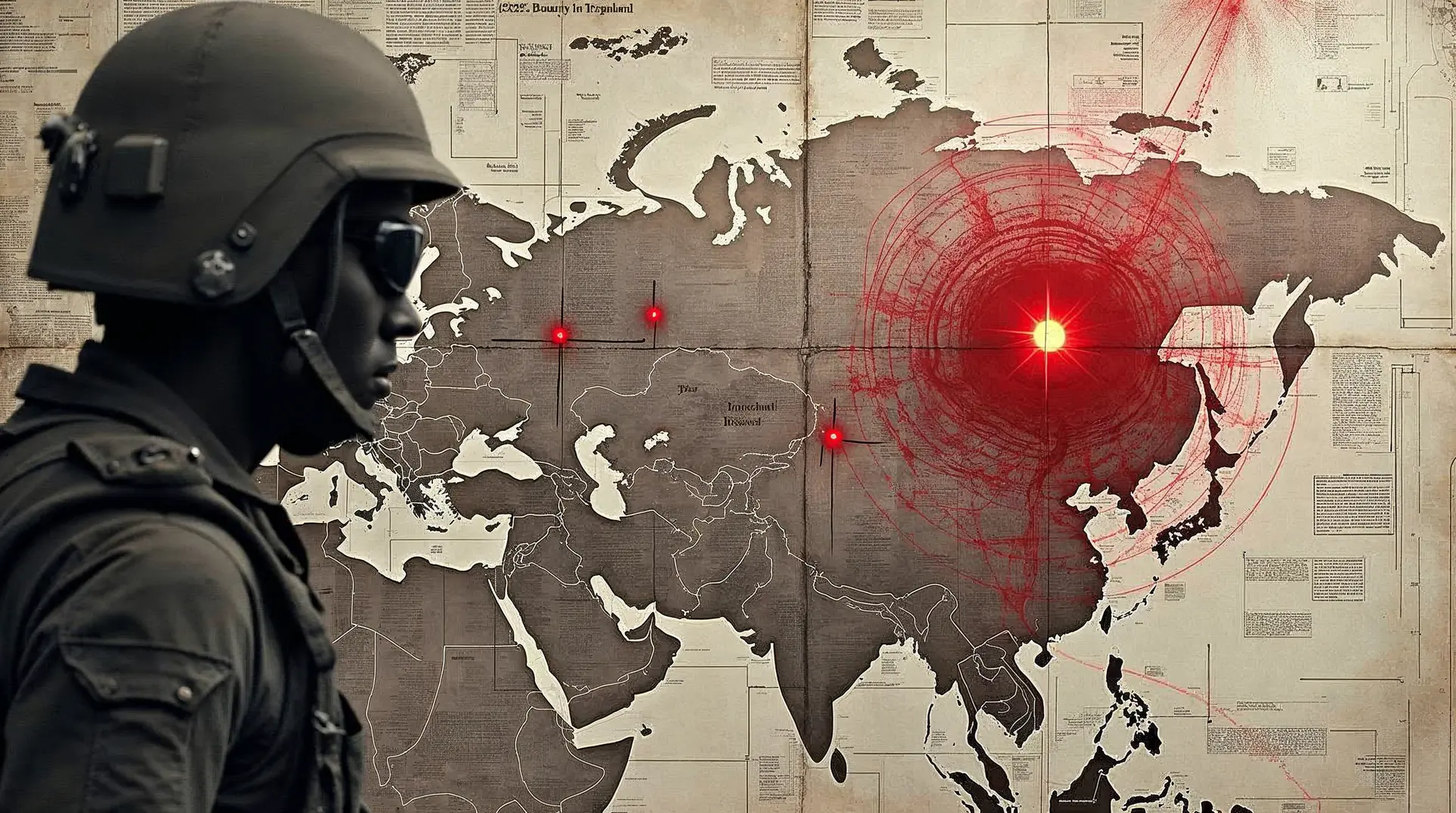
Members are reading: Analysis of cumulative strain dynamics, regional spillover risks, and Russia's air defense dilemma across an expanded defensive perimeter.
What to watch
Several indicators will clarify whether this Caspian offensive represents a sustainable campaign or a raid-scale demonstration. First, watch Lukoil's repair timelines and any public statements on resumed production at Filanovsky and Korchagin; prolonged outages signal either severe damage or Ukrainian capacity for repeat interdiction. Second, monitor Russian security reallocations—satellite imagery of new air defense deployments around Astrakhan or Makhachkala would confirm Moscow's perception of a persistent threat. Third, track signals from Kazakhstan and Azerbaijan; any diplomatic démarches or public concern about Caspian security would indicate regional unease. Finally, insurance and shipping data: if underwriters begin pricing Caspian offshore risk closer to Black Sea war-zone premiums, the financial cost of maintaining production in contested waters rises sharply.
The Caspian strikes underscore a strategic reality Russia hoped to avoid: Ukraine's domestic drone production, combined with operational audacity, has collapsed the notion of a secure rear area. Whether Kyiv can convert tactical successes into sustained economic pressure depends on logistics, repair-cycle arithmetic, and Moscow's willingness to divert scarce defensive resources across an ever-widening battlefield. For now, the message is clear—no sanctuary remains.
Subscribe to our free newsletter to unlock direct links to all sources used in this article.
We believe you deserve to verify everything we write. That's why we meticulously document every source.


