


Ukraine and Russia have agreed to resume large-scale prisoner exchanges after months of diplomatic stagnation, with Kyiv anticipating the return of 1,200 Ukrainian captives under the reactivated Istanbul framework agreements. President Volodymyr Zelenskyy announced the breakthrough on November 16, 2025, stating that "many meetings, negotiations and calls are now devoted to this" critical humanitarian process.
The agreement follows consultations led by Ukrainian National Security and Defense Council Secretary Rustem Umerov in Turkey and the United Arab Emirates, marking a rare diplomatic success in a conflict where humanitarian channels have proven fragile. The stated objective is to complete the exchange by the winter holidays, though technical consultations are still required to finalize procedural details. Notably, Russia has yet to provide official public confirmation of the arrangement.
The mechanics of mediated diplomacy
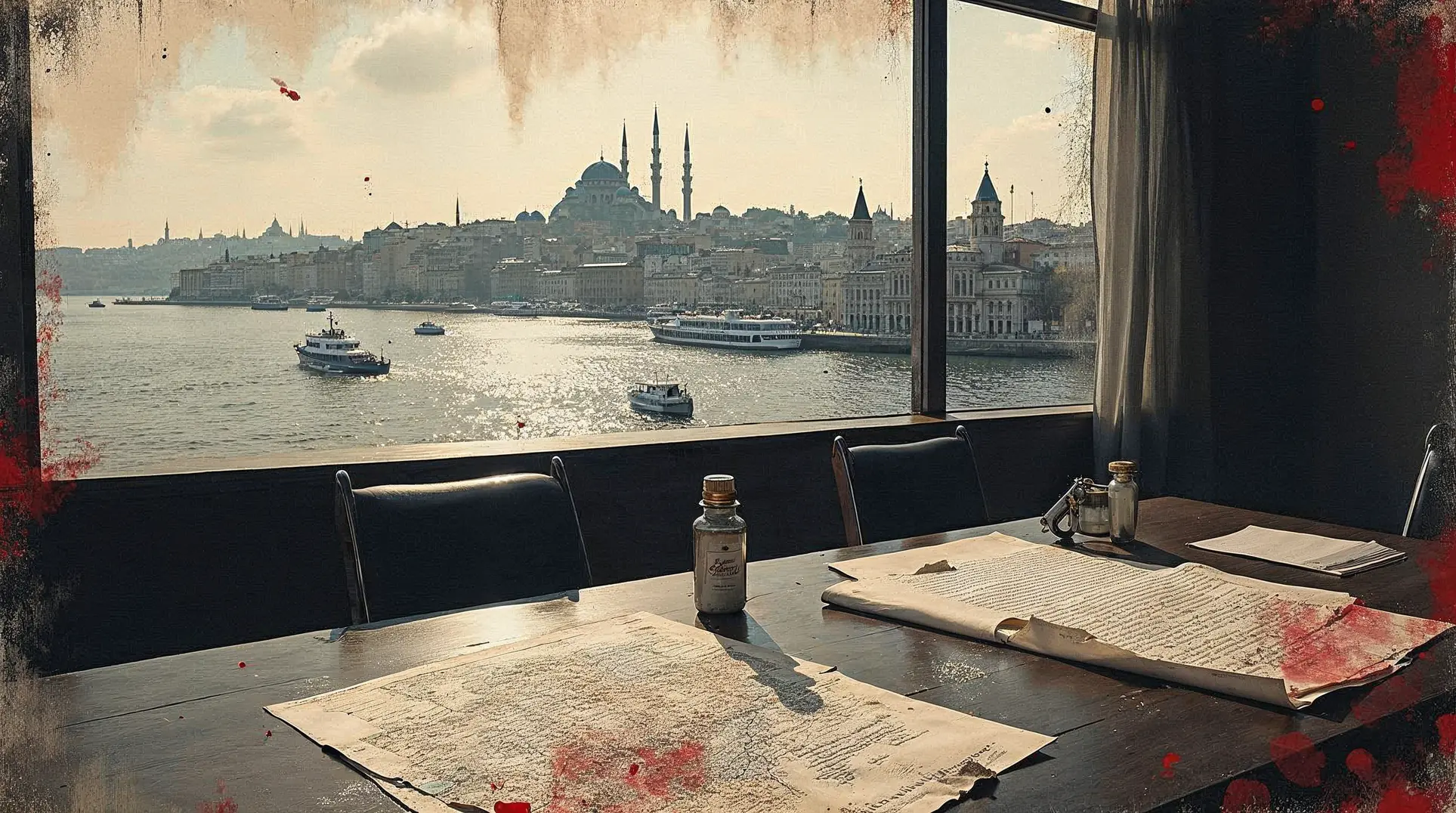
The reactivation of the Istanbul framework represents more than a bilateral agreement—it signals the continued relevance of third-party mediation structures established during the early months of the full-scale invasion. Turkey originally brokered these protocols in 2022, creating institutional mechanisms that have facilitated over 5,800 Ukrainian returns since February 2022, despite repeated disruptions.
The involvement of both Turkey and the UAE in these latest consultations reveals a deliberate geographic diversification of diplomatic channels. Ankara's role leverages its unique NATO membership combined with maintained dialogue with Moscow, while Abu Dhabi has increasingly positioned itself as a neutral facilitator in conflicts where Western and Russian interests intersect. This dual-track approach suggests Ukraine is hedging against the vulnerability of relying on a single mediator.
The technical nature of the upcoming consultations—focusing on procedural and organizational details—indicates the exchange mechanism itself is established. What remains is negotiating the specific lists, verification protocols, and logistical coordination. This suggests the Istanbul framework provides a functional template, not merely symbolic diplomatic cover.
Members are reading: Analysis of why both sides benefit from maintaining fragile, ad hoc exchange mechanisms rather than institutionalizing humanitarian protocols.
Durability versus disruption
The historical pattern of prisoner exchanges in this conflict suggests caution about projecting durability. The Istanbul framework has proven resilient enough to survive as a reference point, but implementation has been irregular, frequently suspended during escalatory cycles. Military developments on the frontline have repeatedly derailed exchange processes, as each side uses access to captives as leverage corresponding to battlefield dynamics.
The current agreement's viability depends on variables beyond the control of mediators or even the direct parties. Continued Western military support to Ukraine, Russian strategic calculations about winter operations, and the broader diplomatic climate around potential ceasefire negotiations all influence whether this exchange proceeds as planned. The lack of Russian public confirmation introduces uncertainty about Moscow's commitment level, potentially reflecting internal deliberations about timing and scope.
What the agreement does confirm is that even in a high-intensity conventional war, narrow channels for cooperation can persist when interests align. The Istanbul framework provides just enough institutional structure to enable periodic humanitarian actions without requiring either side to acknowledge broader diplomatic accommodation. This limited functionality may be precisely why it survives—ambitious enough to matter for affected families, modest enough not to threaten core strategic positions.
Subscribe to our free newsletter to unlock direct links to all sources used in this article.
We believe you deserve to verify everything we write. That's why we meticulously document every source.


