


The U.S. Treasury Department's Office of Foreign Assets Control has prevented the Venezuelan government from paying legal fees for Nicolás Maduro's defense against federal drug trafficking charges in New York, according to court filings made public Wednesday. OFAC issued a license authorizing the payment on January 9, then revoked it three hours later, leaving the deposed Venezuelan leader's legal representation in question.
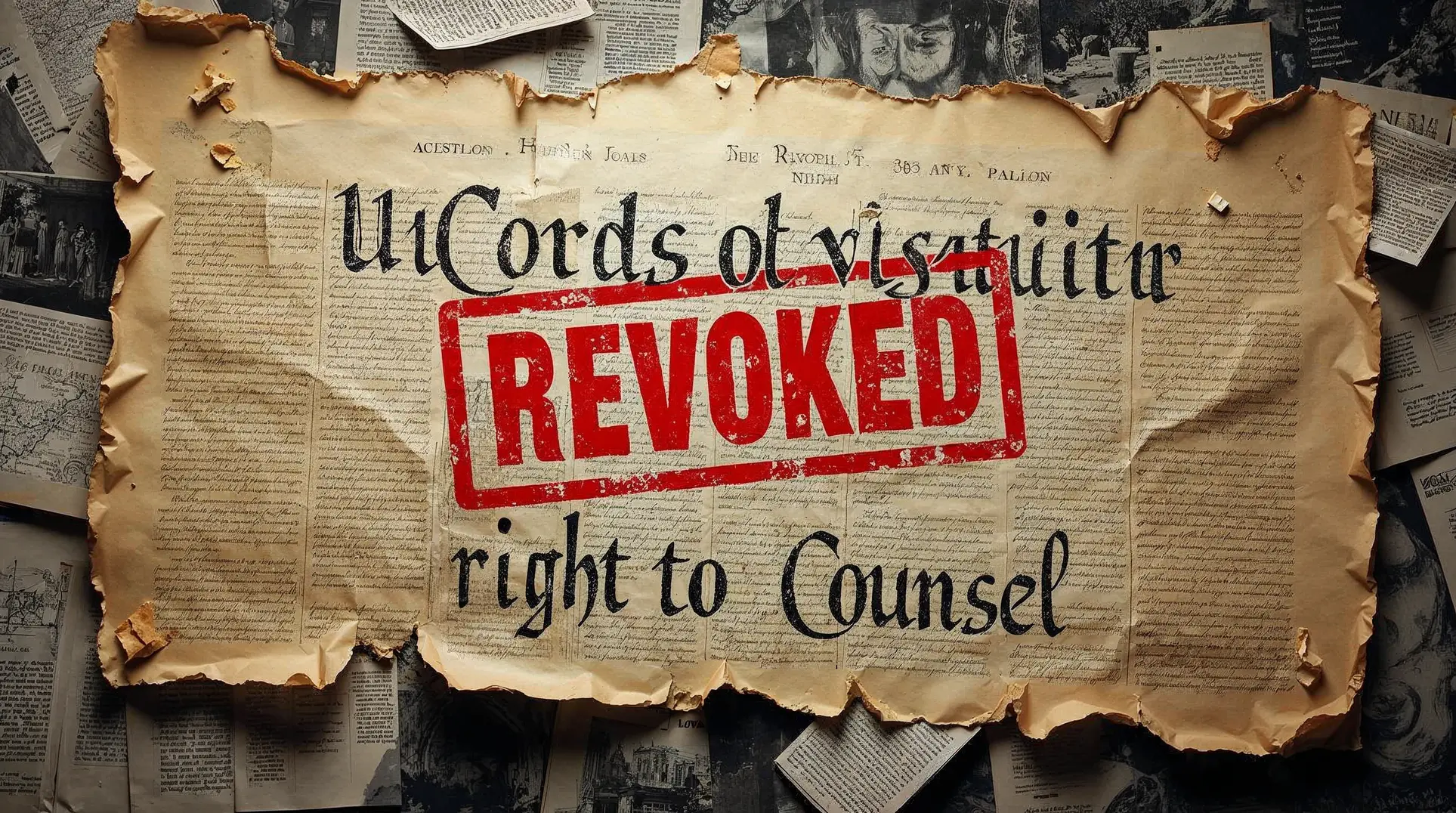
Maduro's defense attorney, Barry Pollack, argues the action violates his client's Sixth Amendment right to counsel. The case creates an unusual constitutional intersection between U.S. sanctions enforcement and criminal defendants' rights, particularly for a high-profile foreign official now facing prosecution in Manhattan federal court. Maduro and his wife, Cilia Flores, were arrested in a U.S. operation in January and have pleaded not guilty to drug trafficking and related federal charges.
Latest developments in Maduro case
Pollack stated in court filings that Venezuela is obligated to pay for Maduro's defense and that the former president cannot afford legal counsel without government funding. The attorney has formally challenged OFAC's decision and threatened additional court action if the sanctions office does not reverse its position. According to the filings, no explanation was provided for the three-hour reversal of the payment authorization.
Both Maduro and Flores are currently detained without bail in Manhattan. Their next scheduled court appearance is March 17, when prosecutors are expected to present further evidence in the drug trafficking case. The U.S. government has diplomatically recognized Maduro's former vice president, Delcy Rodriguez, as Venezuela's new leader, creating a complex situation where Washington simultaneously prosecutes one Venezuelan government official while recognizing another's authority.
Members are reading: How this payment dispute could establish precedent affecting all future prosecutions of sanctioned officials
What comes next
The OFAC decision complicates an already high-stakes prosecution targeting Venezuela's deposed leadership. Pollack's constitutional challenge will test whether U.S. sanctions enforcement can override criminal defendants' rights to counsel of their choice. The outcome could determine not only Maduro's legal strategy but also establish boundaries for how Washington prosecutes foreign officials from sanctioned governments while maintaining due process protections.
Subscribe to our free newsletter to unlock direct links to all sources used in this article.
We believe you deserve to verify everything we write. That's why we meticulously document every source.


