


Turkish Foreign Minister Hakan Fidan's December 18 declaration that Ankara's patience with the Syrian Democratic Forces is "running out" has injected fresh urgency into stalled negotiations over integrating Kurdish-led forces into Syria's national army. Speaking to TRT and Reuters, Fidan stressed that Turkey does not seek renewed military action but warned that further delays in implementing the March 10 integration framework threaten Syria's territorial unity. His remarks come as U.S.-backed joint committees acknowledge they will miss an implicit end-of-year deadline to demonstrate concrete progress on merging the SDF with Damascus, nine months after the landmark agreement was announced.
The stakes are structural, not symbolic. The northeast accounts for the bulk of Syria's oil and gas reserves, hosts tens of thousands of ISIS detainees in makeshift camps, and serves as the primary corridor for counter-terrorism operations that Washington considers vital to regional stability. Failure to resolve the integration modalities risks reigniting localized clashes—October's deadly confrontation near Aleppo underscored the fragility—while creating openings for ISIS cells to exploit governance vacuums.
The March framework and its unmet promises
The March 10 agreement, brokered with U.S. support in the wake of Bashar al-Assad's December 2024 collapse, outlined an ambitious roadmap: SDF fighters would be absorbed into the Syrian national army; Damascus would assume control of borders, airports, and energy infrastructure in the northeast; Kurds would receive recognition within Syria's political and administrative structures as a distinct community with citizenship rights; and civil institutions would integrate under a unified state framework. Joint implementation committees convened immediately, tasked with translating principles into operational design by year's end.
Yet the core mechanics remain unresolved. The SDF leadership envisions entering the army as intact regional divisions retaining local command structures—a model that preserves battlefield cohesion and Kurdish institutional identity within a nominally national force. Damascus, under the interim administration of Ahmed al-Sharaa, insists on integration into existing army units with centralized command, viewing anything less as a concession to federalism. Ankara publicly rejects commissioning YPG commanders as Syrian army officers and demands individual enlistment, not the absorption of cohesive SDF formations.
Beyond military architecture, disputes persist over governance, strategic assets, and security files. The SDF's political wing favors durable decentralization to protect Kurdish autonomy; Damascus prioritizes centralized sovereignty to consolidate post-Assad order. Who manages the transfer of oil fields, border crossings, and airports? Who controls ISIS detention camps at al-Hol and Roj, and how will authority over Arab-majority areas like Raqqa and Deir ez-Zor transition without triggering communal violence? These questions have no agreed answers.
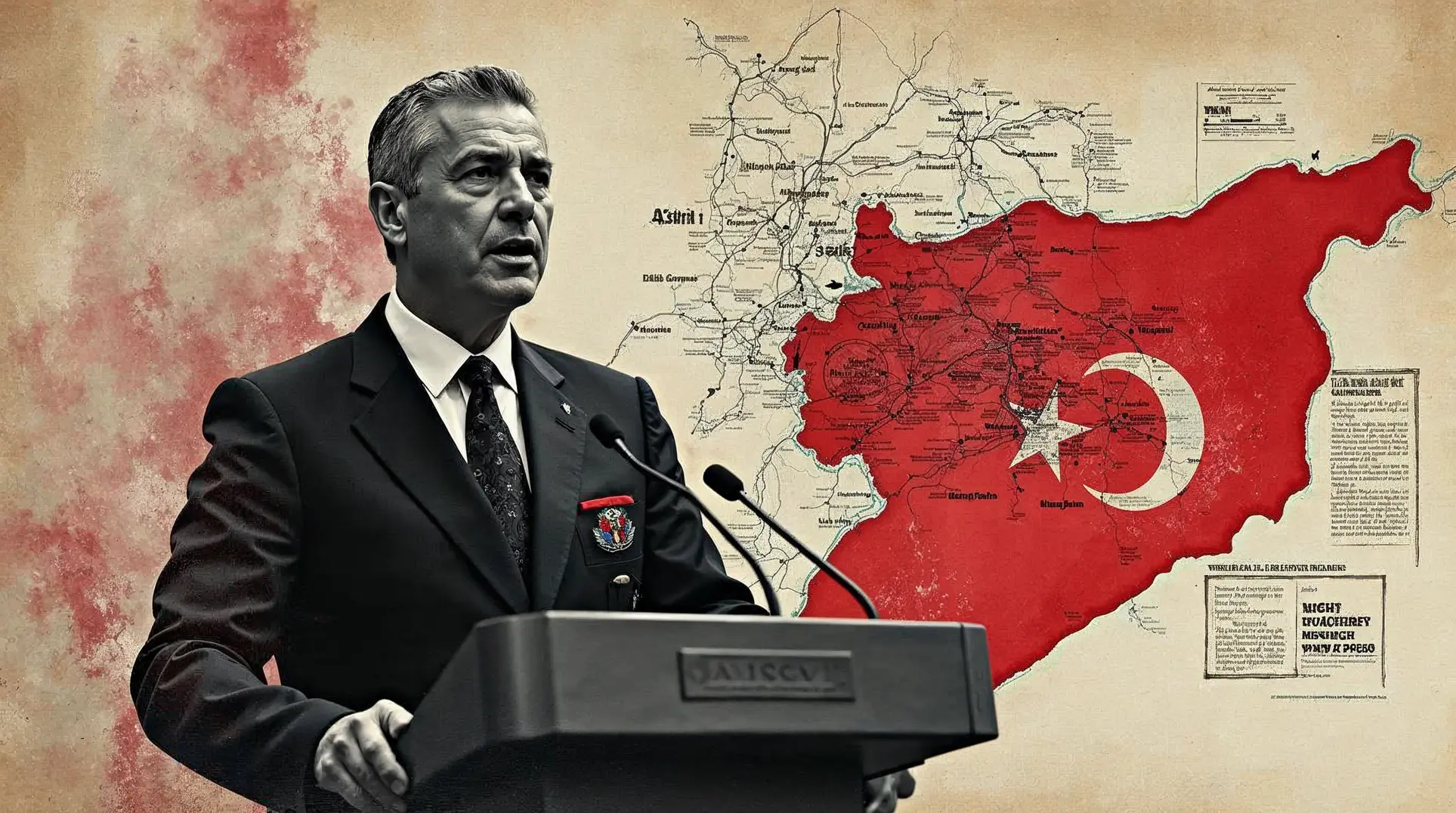
Members are reading: How Turkey's insistence on dismantling SDF command structures creates an institutional design trap that risks both ISIS resurgence and renewed Turkish military intervention.
What sequencing can salvage
The path forward requires sequenced, verifiable steps that build trust without prematurely conceding core positions. Pilot joint patrols in contested border zones could demonstrate shared security commitments; phased officer vetting mechanisms might allow selective integration of SDF commanders into national ranks under transparent criteria; interim detention protocols co-managed by Damascus, SDF, and coalition partners could prevent al-Hol from becoming a governance vacuum; and timetabled resource transfers—beginning with less contentious infrastructure before tackling oil fields—could establish precedent for larger handovers.
The year since Assad's fall has underscored Syria's fragile opening between liberation and fracture. Whether the integration talks yield a sustainable model or collapse into renewed proxy conflict will depend on whether Damascus, the SDF, and their external backers can agree on a command structure that satisfies Turkey's security imperatives, preserves Kurdish institutional identity within acceptable bounds, and maintains the counter-ISIS architecture Washington deems irreplaceable. Fidan's warning makes clear that Ankara will not wait indefinitely for an answer.
Subscribe to our free newsletter to unlock direct links to all sources used in this article.
We believe you deserve to verify everything we write. That's why we meticulously document every source.


