


- Trump's ceasefire call effectively validates Putin's territorial conquests, signaling that borders can be redrawn through sustained military force
- European powers face an impossible choice between supporting Ukraine alone or accepting a frozen conflict that undermines continental security principles
- The erosion of American credibility extends beyond Europe, fundamentally undermining US security commitments to allies in Asia-Pacific
President Donald Trump's public call on October 20, 2025, for an immediate ceasefire in Ukraine along current battle lines represents far more than another mercurial shift in American foreign policy. It marks a potential inflection point in the post-Cold War security order, one where Washington's willingness to accommodate Moscow's territorial gains could fundamentally reshape the calculus of aggression and deterrence across Europe and beyond.
The timing and substance of Trump's statement—urging both sides to "stop where they are" just days after a contentious White House meeting with Ukrainian President Volodymyr Zelenskyy—reveals the transactional core of his approach to the conflict. Unlike his predecessor's careful calibration of military aid with diplomatic pressure, Trump appears willing to trade Ukrainian sovereignty for the optics of dealmaking, regardless of whether such a "deal" serves American strategic interests or merely satisfies his personal desire to claim a foreign policy victory.
The strategic implications are profound. By endorsing a freeze along lines that leave Russia in control of roughly 78 percent of the Donbas region, Trump is effectively validating the core premise of Putin's invasion: that military force can successfully redraw borders in Europe if sustained long enough. This is not merely a concession to battlefield realities—it is a signal to every revisionist power that American security guarantees are negotiable commodities, subject to the whims of whoever occupies the Oval Office.
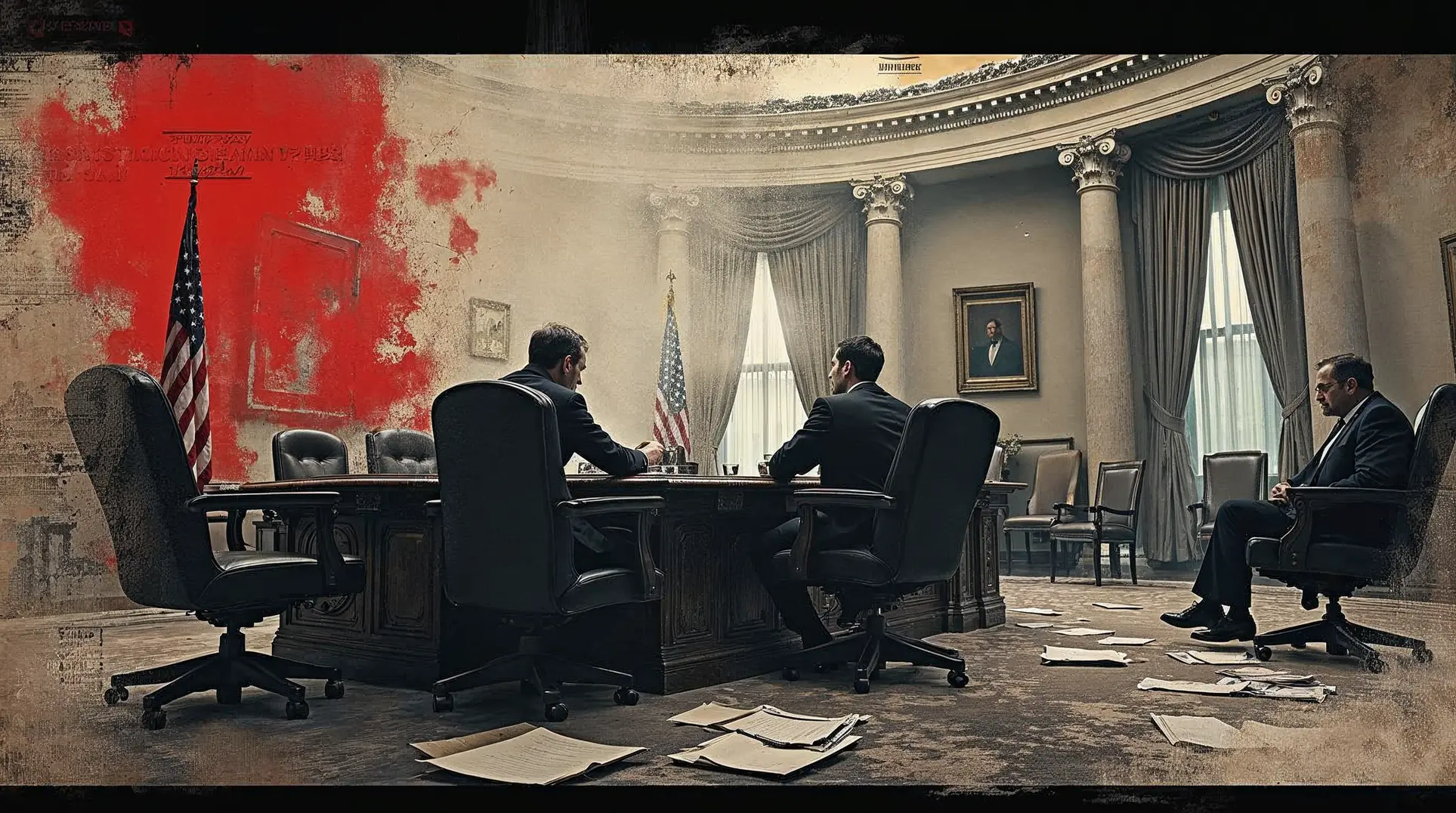
EXCLUSIVE: Inside the explosive White House shouting match where Trump cursed at Zelenskyy—and why Putin's call 24 hours earlier changed everything about America's Ukraine strategy.
The European dilemma
European leaders now face a strategic dilemma with no good options. They can continue supporting Ukraine militarily in hopes of improving Kyiv's negotiating position, but without American logistics, intelligence, and advanced weapons systems, their ability to meaningfully affect battlefield outcomes is limited. They can pursue independent security guarantees for Ukraine, but without U.S. backing, such guarantees lack the credibility necessary to deter future Russian aggression.
Or they can acquiesce to Trump's ceasefire proposal and hope that a frozen conflict is preferable to continued warfare—while recognizing that such a freeze would validate Putin's territorial gains, undermine the principle of territorial integrity that has underpinned European security since 1945, and potentially encourage further Russian adventurism in Moldova, Georgia, or the Baltic states.
The joint European statement attempts to thread this needle by endorsing Trump's call for an immediate ceasefire while simultaneously pledging to "ramp up the pressure on Russia's economy and its defense industry, until Putin is ready to make peace." But this formulation papers over a fundamental contradiction: if the fighting stops along current lines, what leverage do European powers possess to compel Russian concessions in subsequent negotiations?
What Taiwan, Seoul, and Tokyo are really thinking: How Trump's Ukraine gambit is destroying American credibility across Asia—and why Beijing is watching every misstep.
The path forward
What comes next depends largely on whether Trump recognizes the strategic trap he has created for himself. A ceasefire along current lines, absent a comprehensive political settlement that addresses Ukraine's security needs and Russia's future behavior, is not peace—it is a recipe for renewed conflict under conditions even less favorable to Western interests.
The alternative—sustained military and economic support for Ukraine coupled with credible deterrence against further Russian aggression—requires precisely the kind of long-term strategic commitment that Trump has shown little appetite for. It would mean accepting that there are no quick fixes to conflicts rooted in fundamental disagreements over sovereignty, security, and the international order. It would mean prioritizing strategic interests over personal dealmaking instincts.
European leaders, for their part, must prepare for the possibility that American leadership on European security is no longer reliable. This means not only increased defense spending and military capability, but a fundamental rethinking of European strategic autonomy. The UK's troop deployment offer is a start, but it must be followed by concrete commitments from France, Germany, and other major European powers to provide Ukraine with the security guarantees necessary to deter future Russian aggression.
The stakes could not be higher. If Trump's ceasefire gambit succeeds in freezing the conflict along current lines without addressing the underlying security architecture, it will have validated the use of military force to redraw borders in Europe. If it fails, and the war continues with diminished American support, Ukraine faces the prospect of slow strangulation while Europe confronts the limits of its own power.
Neither outcome serves Western interests. Both reflect the costs of a transactional foreign policy unmoored from strategic principle. And both suggest that the post-Cold War era of American-led European security is drawing to a close—not with a bang, but with a series of presidential phone calls and half-measures that leave allies uncertain and adversaries emboldened.
Subscribe to our free newsletter to unlock direct links to all sources used in this article.
We believe you deserve to verify everything we write. That's why we meticulously document every source.


