


Update 14-06-2026 18:38 (CEST): President Trump on Tuesday walked back his demand for collecting a 20% toll from ships that transit through the Strait of Hormuz — and instead said Gulf states would make major investments in the U.S. - Axios
Presidential order pairs naval blockade with unprecedented toll on all strait shipping after weekend strikes
President Donald Trump announced Monday that the United States is reinstating a naval blockade on Iranian ports and imposing a 20% "reimbursement fee" on all cargo transiting the Strait of Hormuz, a demand with no precedent in international maritime law. The measure takes effect "immediately," according to Trump's Truth Social post, though no mechanism for calculating, collecting, or enforcing the levy has been specified.
The announcement follows the collapse of a ceasefire reached last month after 60 days of negotiations, which had reopened the strait to shipping. Iran's IRGC attacked the Cypriot-flagged GFS Galaxy on Saturday, prompting roughly 140 U.S. strikes and, for the first time in the conflict, the deployment of one-way attack sea drones. Iran responded by striking five Gulf states — Bahrain, Kuwait, Qatar, Jordan and Oman — marking the first attack on Qatar, a ceasefire mediator, since April, as detailed in Crisis.zone's coverage of the weekend escalation.
Competing claims over an active waterway
Trump, in his Truth Social announcement, framed the measure as overdue compensation for U.S. naval protection of the strait. He said the U.S. would become the strait's "guardian" — branding it "THE GUARDIAN OF THE HORMUZ STRAIT" — while insisting non-Iranian traffic would face no restriction.
CENTCOM maintains the strait is open via a southern route through Omani waters. Iran's Persian Gulf Strait Authority, created earlier in the conflict, states passage "is currently not possible." Ground truth sits closer to Tehran's version: maritime intelligence firm Kpler recorded just 14 transits Sunday, the fewest in a month, and tracked zero vessels moving through the strait between Sunday evening and Monday morning, though the cargo ship Bayaze D and a small number of Iranian vessels were later observed sailing west. This dispute echoes the pattern documented when the U.S. first moved to blockade Iranian ports in April, when initial claims that tankers had transited the blockade were later corrected by CENTCOM, which said the vessels had instead been intercepted and diverted to anchor at Chah Bahar.
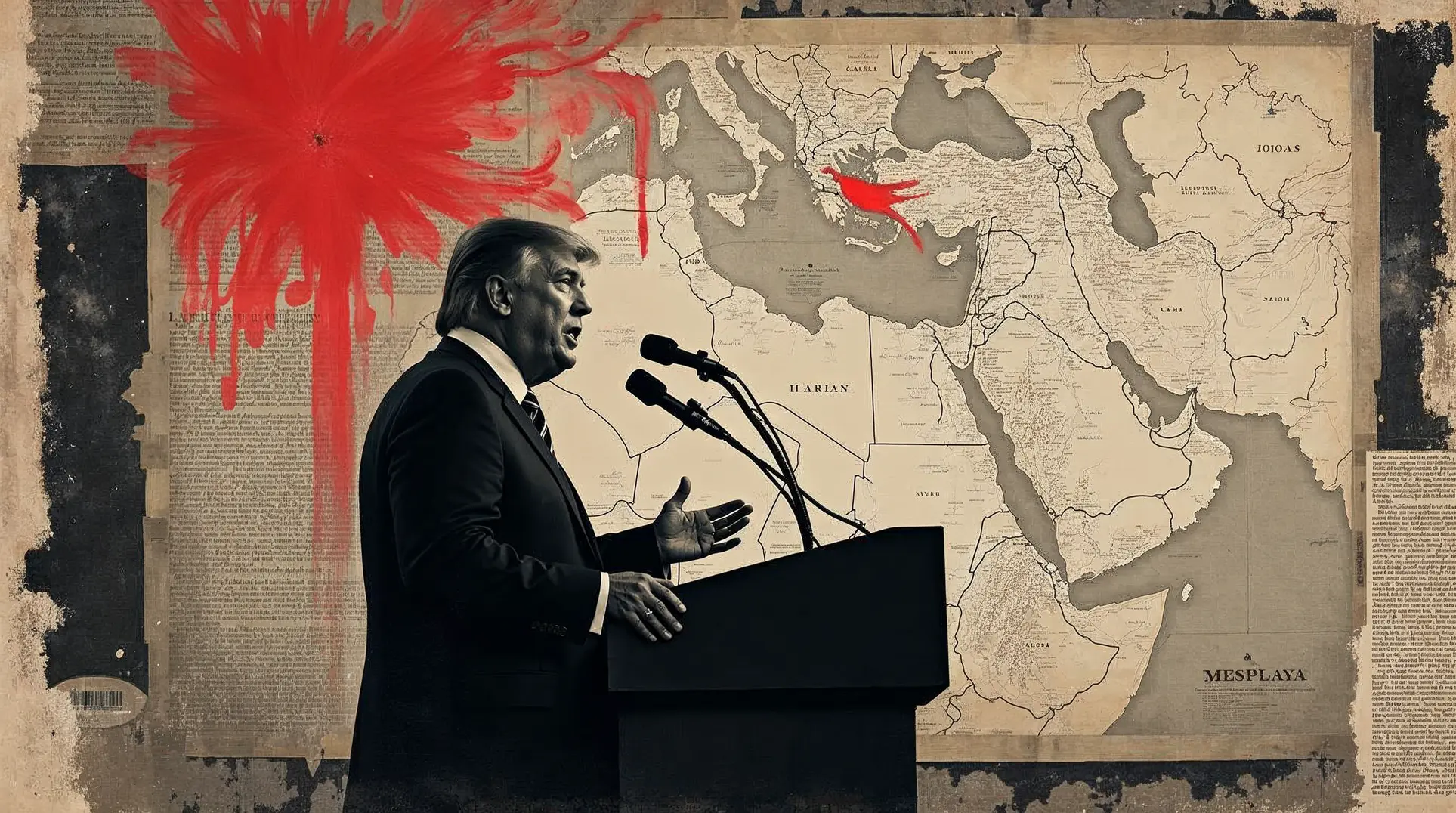
Observers are reading: how Oman's diplomatic rupture with Tehran could determine whether Doha talks happen at all.
Become an Observer — it's free. Get full access to all Crisis.Zone analysis, briefings and breaking coverage.
Oil markets moved immediately: U.S. crude rose above $75 a barrel and Brent climbed to $79.59, both up roughly 4.7-4.8% Monday, though still well below the $120+ peaks of earlier phases of the conflict. UN Secretary-General António Guterres warned that "a return to full-scale hostilities would have catastrophic consequences," while the UK moved to proscribe the IRGC as a terrorist organization.
The levy's fate now rests on a gap between declaration and operational reality that has defined this conflict since April: Washington has repeatedly announced maritime enforcement measures that ships have tested — and sometimes ignored — within days.
Become an Observer — it's free — to unlock direct links to all sources used in this article.
We believe you deserve to verify everything we write. That's why we meticulously document every source.


