


President Donald Trump announced a 10-day ceasefire between Israel and Lebanon on April 16, 2026, effective 5 P.M. EST the same day. The announcement followed the first direct meeting between Israeli and Lebanese leaders in 34 years, held in Washington, D.C. Lebanese President Joseph Aoun endorsed the ceasefire as creating space for direct bilateral negotiations, according to State Department sources. The pause arrives amid ongoing tensions with Hezbollah and the fragile broader US-Iran ceasefire framework.
This development represents a tactical repositioning rather than strategic resolution. While direct Israeli-Lebanese engagement is historically significant, the ceasefire exists alongside contradictory diplomatic structures—including the disputed US-Iran ceasefire that deliberately excluded Lebanon according to Washington and Tel Aviv, yet Tehran insists covers all regional fronts. The economic costs of prolonged conflict create incentives for temporary pauses, but underlying incompatibilities in stated objectives suggest this breathing room serves to reset capabilities rather than address fundamental interests.
Latest developments on the ground
The 10-day timeframe represents the shortest diplomatic pause announced since the conflict escalated in March. Previous ceasefires—including the broader US-Iran agreement—carried two-week durations, providing marginally more space for substantive negotiations. The abbreviated timeline here reflects limited expectations for breakthrough outcomes rather than confidence in rapid progress.
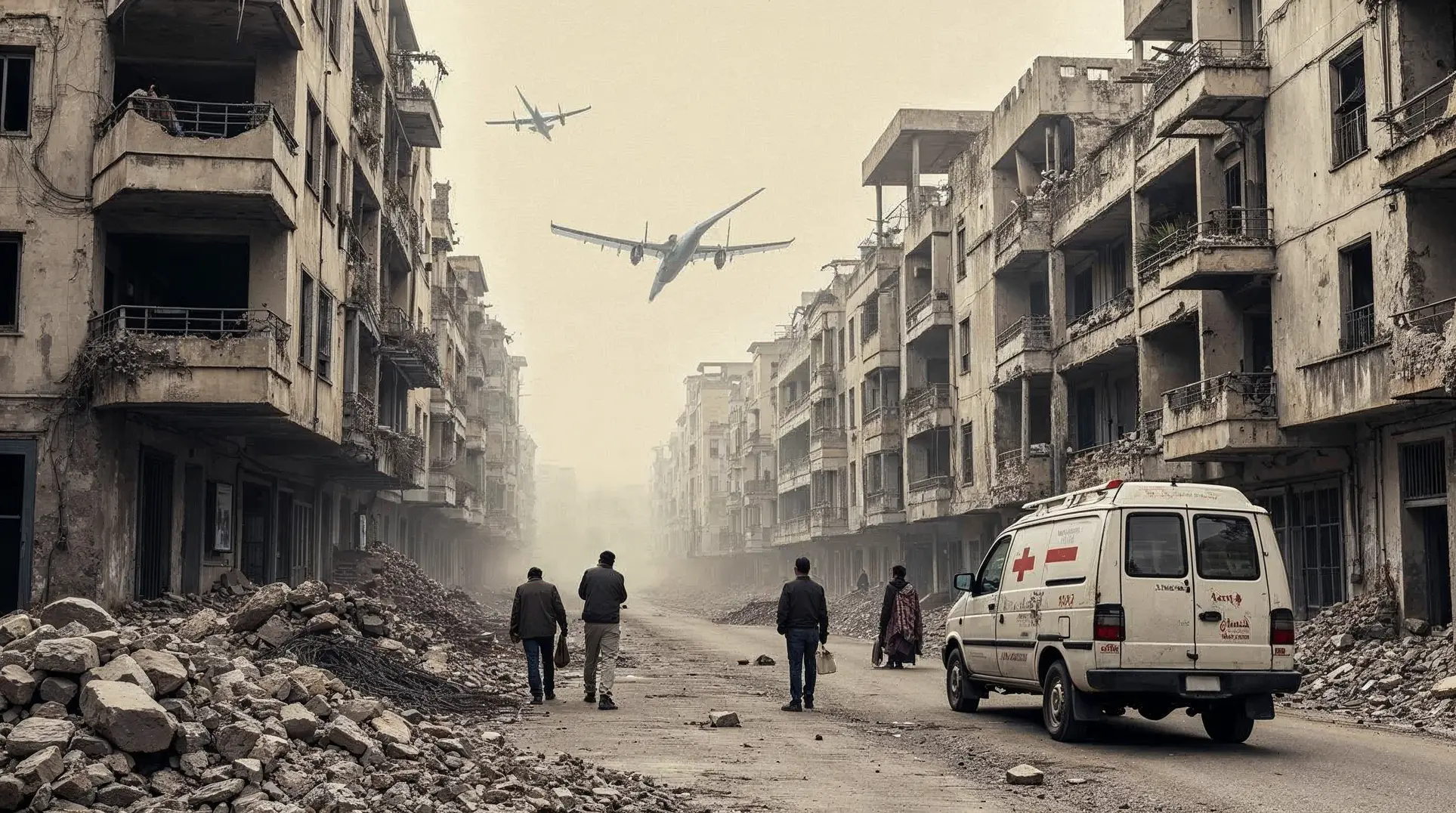
Cross-border violence has persisted throughout recent diplomatic efforts. Israeli strikes in Lebanon have killed over 2,124 people since March according to Lebanese Ministry of Health figures, with 6,921 wounded and over 10,000 structures damaged or destroyed in southern Lebanon. Hezbollah rocket attacks on northern Israel continued as recently as April 15, hours before the ceasefire announcement, lightly wounding one person. The humanitarian crisis deepens even as diplomatic channels theoretically open, with hospitals overwhelmed and hundreds of thousands displaced.
Israeli Prime Minister Benjamin Netanyahu previously stated "there is no ceasefire in Lebanon" regarding the US-Iran framework, maintaining operational freedom against Hezbollah. This new Israel-Lebanon specific agreement attempts to bypass that ambiguity by creating a separate diplomatic track. However, it inherits the structural challenges that plagued previous efforts: Israeli demands for Hezbollah disarmament that Lebanese authorities cannot deliver, and Lebanese calls for immediate cessation that Israel ties to preconditions Beirut lacks power to enforce.
Members are reading: How economic pressures create incentives for tactical pauses that perpetuate conflict cycles rather than resolve them.
Structural constraints limit ceasefire durability
The Lebanon-Israel ceasefire operates within a regional diplomatic environment characterized by overlapping and contradictory frameworks. The broader US-Iran ceasefire, announced April 7, remains disputed regarding Lebanon's inclusion. Iranian officials demand Lebanon coverage as precondition for further talks, while US and Israeli officials explicitly exclude it. This ambiguity is not accidental—it allowed both Washington and Tehran to claim diplomatic success while preserving operational flexibility.
The new Israel-Lebanon specific agreement attempts to resolve this contradiction by creating a separate track, but inherits the core structural problem: Lebanon's government cannot deliver what Israel demands. Hezbollah operates autonomously from Beirut's authority, answering to its constituency and Iran rather than Lebanese state institutions. Previous Lebanese government measures attempting to restrict Hezbollah's military activities have been rejected outright by the organization.
This creates an impossible negotiating dynamic. Israel's stated objective—Hezbollah disarmament and normalized relations—requires Lebanese government capacity that demonstrably does not exist. Lebanon's objective—immediate cessation of strikes to create space for negotiations—is conditioned by Israel on preconditions Lebanon cannot enforce. The 10-day timeline reflects recognition of these structural constraints rather than optimism they can be overcome. Both sides derive immediate benefits from the pause itself, making the ceasefire sustainable in the very short term while fundamental incompatibilities remain unaddressed.
Subscribe to our free newsletter to unlock direct links to all sources used in this article.
We believe you deserve to verify everything we write. That's why we meticulously document every source.


