


U.S. President Donald Trump declared on Sunday that he and Ukrainian President Volodymyr Zelenskyy were "getting a lot closer, maybe very close" to ending the war in Ukraine. The carefully staged meeting at Mar-a-Lago produced warm handshakes and positive soundbites, but Trump's own admission that territorial issues remain unresolved reveals the performance for what it is: diplomatic theater masking a brutal negotiation over land. His casual reference to "thorny issues" around territory undersells the magnitude of what remains at stake.
The reality beneath the optimism is stark. Trump acknowledged that questions about "the land" are the core obstacle, noting that some territory is "taken" and some is "up for grabs." This transactional framing exposes the essential character of the negotiation underway. What Trump calls thorny issues, Ukraine calls sovereignty. The Donbas question is not a detail to be ironed out—it is the war itself. Without resolution on territorial integrity, any agreement is merely an armistice that freezes battlefield gains and defers the fundamental conflict.
The sequence reveals the power hierarchy
The choreography of Trump's diplomacy is as revealing as his words. Before meeting Zelenskyy, Trump held what he described as a "good and very productive" phone call with Vladimir Putin. This sequencing was not accidental. By engaging Putin first, Trump positioned the United States as the central arbiter while signaling where he believes the real authority lies. The message to Kyiv is unmistakable: the terms of Ukraine's future are being discussed primarily between Washington and Moscow, not Washington and Kyiv.
Trump's subsequent statement that Zelenskyy "doesn't have anything until I approve it" further clarified the hierarchy. Despite Ukrainian officials claiming a 20-point peace plan is "90% ready," Trump's public assertion of veto power undercuts that narrative entirely. Ukraine may be the country at war, but it is increasingly a junior partner in determining how that war ends. This reflects the hard reality of dependency: Kyiv's military capacity relies overwhelmingly on American weapons, intelligence, and financial support. Trump's pre-Zelenskyy call with Putin reveals the true locus of decision-making power.
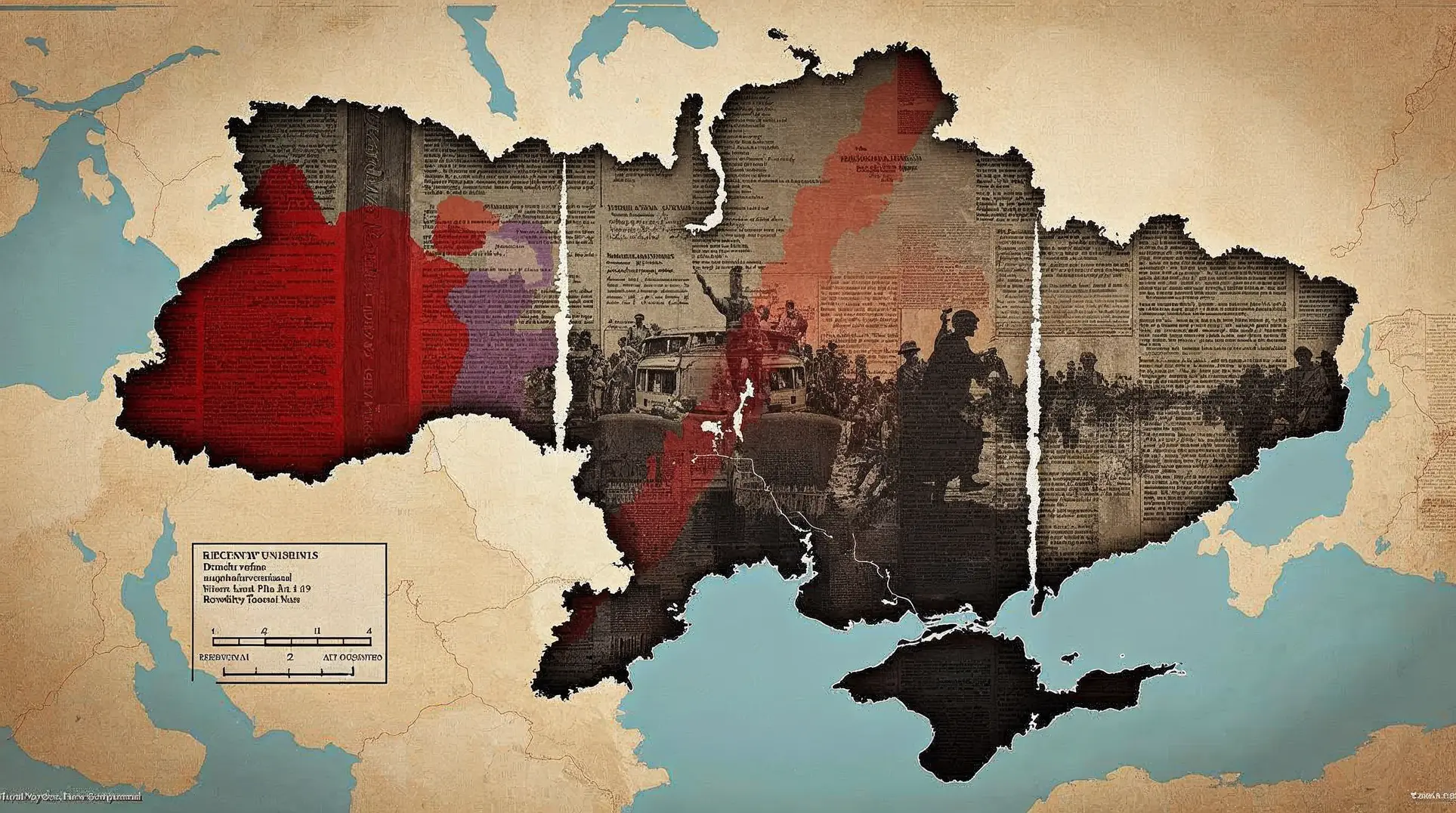
Members are reading: How the military reality in Donbas combines with Trump's timeline to create unsustainable pressure on Zelenskyy's negotiating position.
The gap between rhetoric and resolution
Both leaders deliberately avoided specifics at Mar-a-Lago, offering no concrete details beyond vague timelines and positive sentiment. This ambiguity serves multiple purposes: it allows Trump to claim momentum while avoiding commitments, and it gives Zelenskyy space to manage domestic expectations. But the absence of detail also reveals the absence of genuine agreement on the issues that matter. Where diplomatic theater confronts strategic deadlock, the optimistic statements serve primarily to create political cover for concessions not yet made public.
The coming weeks will reveal whether Trump's timeline forces a breakthrough or exposes irreconcilable positions. The realist assessment is that proximity to a deal reflects not diplomatic genius but American willingness to pressure Ukraine toward terms shaped more by battlefield realities than principles of sovereignty. Russia holds land, America holds leverage over Ukraine, and Zelenskyy holds an increasingly weak hand. Trump's optimism may prove correct—a deal may indeed be close. But closeness to agreement should not be confused with justice, durability, or Ukrainian agency in determining its own future. The Mar-a-Lago meeting brought clarity on one point: the fundamental question of land remains unresolved because the positions remain incompatible, and optimistic rhetoric cannot bridge that gap.
Subscribe to our free newsletter to unlock direct links to all sources used in this article.
We believe you deserve to verify everything we write. That's why we meticulously document every source.


