


NATO Secretary General Mark Rutte has floated the notion that Donald Trump is uniquely positioned to break the Russia-Ukraine deadlock. The claim reflects political necessity—keeping Washington at the table—more than strategic reality. A year of presidential phone calls, envoy shuttles, and technical working groups has produced modest procedural gains: a fragile Black Sea maritime understanding, a brief spring halt to Russian strikes on energy infrastructure, and the outline of a U.S.-drafted 28-point framework. Yet Russia continues to insist on territorial recognition, limits on Ukraine's military, and a constitutional bar on NATO membership—terms that collide with Ukraine's sovereignty and European security red lines.
What looks like diplomatic stasis is actually institutional friction. While Trump pursues personality-driven outreach, the European Union has locked in a legal timetable to end imports of Russian LNG by late 2026 and pipeline gas by autumn 2027. NATO defense ministers are channelling additional aid through the Platform for Ukraine's Resilience and Livelihoods (PURL), and Brussels is debating a reparations loan backed by €140 billion in frozen Russian central-bank assets. These are not gestures but structural moves that harden Europe's negotiating floor and narrow the space for concessions that would reward territorial conquest.
What has moved—and what has not
Between February and May 2025, Trump held three substantive calls with Vladimir Putin. The first, on February 12, launched negotiations on a possible settlement and the need to eliminate root causes of the conflict; the second, on March 18, produced agreement to start talks toward a ceasefire, with the Kremlin agreeing to a 30-day halt to Russian strikes on Ukrainian energy infrastructure; the third, on May 19, yielded immediate commencement of negotiations toward a ceasefire and a commitment to work on a memorandum for a possible future peace agreement. U.S. teams—led by Secretary of State Marco Rubio and including National Security Advisor Michael Waltz and special envoy Steve Witkoff—met Russian counterparts in Riyadh in February and again in March for technical talks on Black Sea maritime safety. Those sessions established limited deconfliction principles: safe commercial navigation and a pledge not to use civilian vessels for military purposes.
Yet territory, NATO membership, and Ukraine's force structure remain unresolved. Moscow meeting notes from early December, relayed by Kremlin aide Yuri Ushakov, called the latest round "useful and constructive" but flatly rejected any compromise on occupied land. Putin blamed Europe for "torpedoing" U.S. efforts and issued veiled threats towards the continent. The Institute for the Study of War assessed that Putin had rejected the U.S.–Ukrainian peace proposal outright and remains unlikely to accept terms short of his original war aims: full annexation of Donetsk and Luhansk oblasts, recognition of Crimea, severe limits on Ukrainian armed forces, and constitutional renunciation of NATO aspirations. NPR correspondents in Kyiv reported that the December talks lasted roughly five hours and produced no concrete agreement, with Ukrainian officials skeptical of any deal that rewards aggression and analysts noting the Kremlin's demonstrated tolerance for casualties.
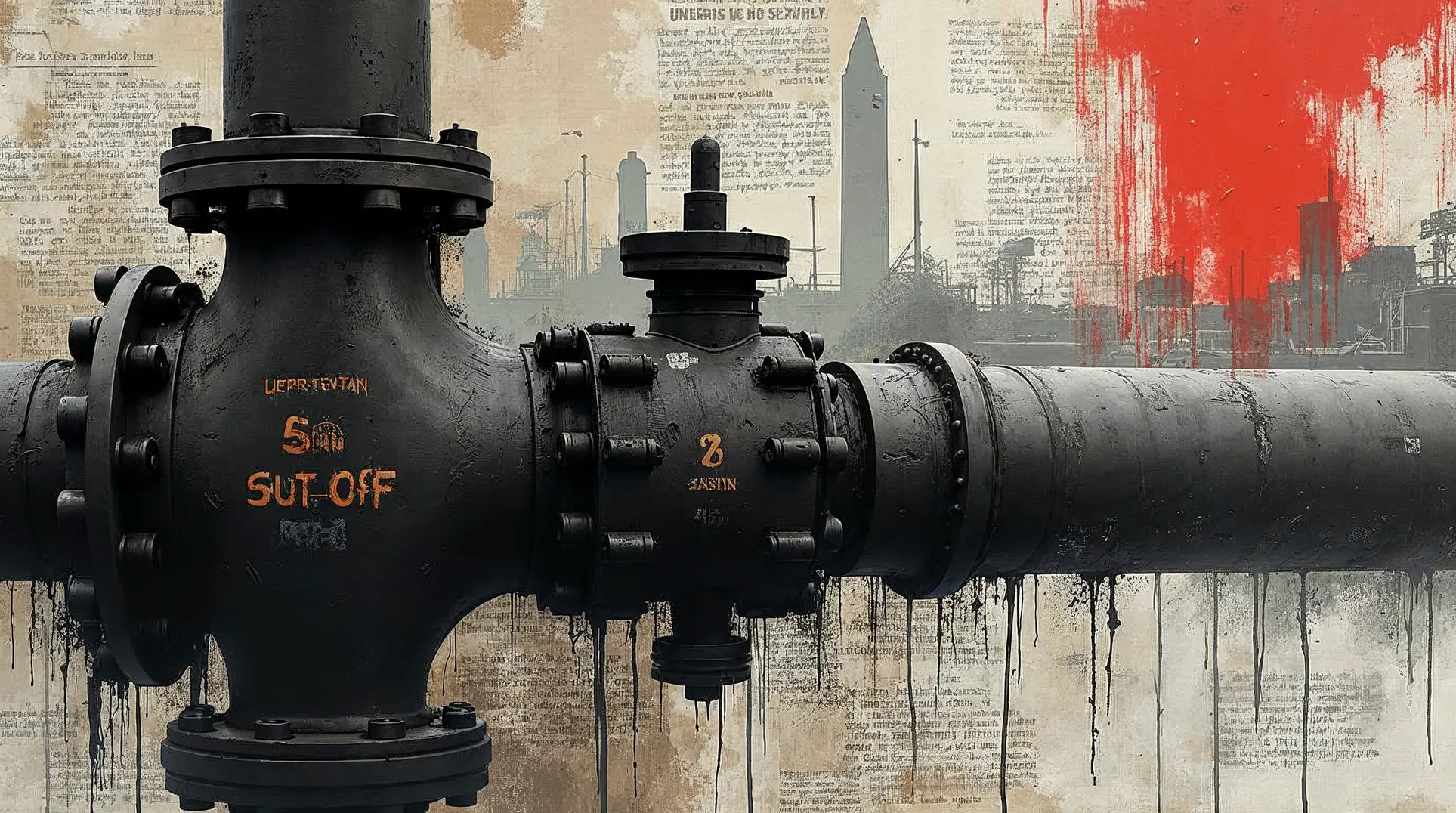
Members are reading: How Europe's energy decoupling and asset-leverage strategy have created institutional guardrails that constrain any U.S.–Russia bilateral deal.
Institutional guarantees matter more than individual dealmakers
Rutte's suggestion that Trump is uniquely capable reflects a political calculation: flattery keeps Washington engaged and NATO cohesion intact. But the secretary general has also stated plainly that U.S.–Russia talks will not decide NATO's future—alliance decisions run on consensus and separate tracks. Putin's narrative that "Europe blocks peace" is a classic wedge tactic, designed to split transatlantic coordination. The structural reality is that any durable settlement requires enforceable, multilateral security guarantees that an ad hoc Peace Council cannot provide, coherent sanctions and energy policy that Europe controls through its own legislative calendar, and sustained military aid channeled through alliance mechanisms like PURL.
A realistic pathway exists, but it runs through institutional alignment, not personality-driven shortcuts. U.S. diplomacy that endures will have to mesh with European guardrails on territorial integrity, align Ukraine's sovereignty demands with verifiable enforcement mechanisms, and recognize that cutting off Russian energy revenue and leveraging frozen assets are policy pillars, not bargaining chips. The Kremlin's maximalist demands and Europe's hardening posture together define a negotiating space far narrower than any single leader—however skilled—can expand by force of will.
Subscribe to our free newsletter to unlock direct links to all sources used in this article.
We believe you deserve to verify everything we write. That's why we meticulously document every source.


