


The Trump administration is actively considering military plans to occupy or blockade Iran's Kharg Island, according to sources cited by multiple media outlets. The island terminal, located approximately 15 miles off Iran's coast in the Persian Gulf, handles roughly 90% of Iran's crude oil exports. President Trump stated publicly that "if he has to take Kharg Island... that's going to happen," signaling White House resolve as three Marine units transit toward the region.
The deliberations come as the Strait of Hormuz crisis enters its third week, with vessel traffic effectively halted and global oil prices reaching levels not seen since 2022. WTI crude rose 0.9% to $97 per barrel, while Brent climbed 2% to $110.60 per barrel. Trump's public statements indicate the administration views Kharg Island—a strategically vulnerable island with deep-water port facilities—as leverage to force Iran's hand in reopening the waterway through which approximately 20% of global petroleum liquids transit daily.
Latest military posture
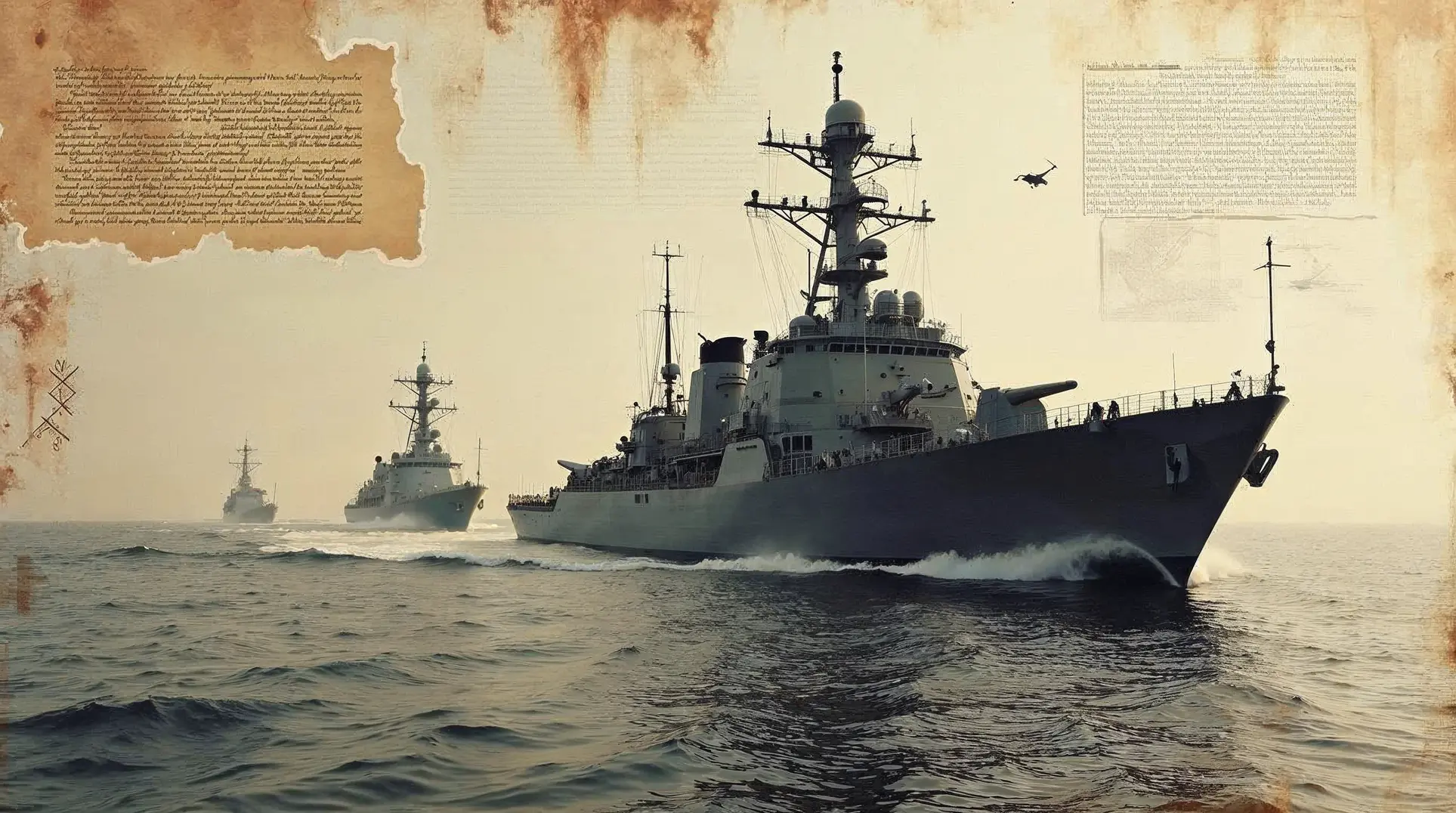
Three U.S. Marine units are currently en route to the Middle East, according to Pentagon sources. White House and Defense Department officials are discussing potential additional troop deployments to support either a coastal invasion or a naval blockade of Kharg Island. This follows recent U.S. airstrikes on military targets on the island, which Trump characterized as a "shot across the bow," deliberately sparing oil infrastructure while threatening future action.
Trump's evolving military strategy reflects mounting frustration with Iran's ongoing campaign to restrict commercial shipping through the Strait. Iran has threatened to strike any non-Iranian oil-carrying vessel attempting transit, a position the Islamic Revolutionary Guard Corps has enforced through maritime attacks and mine-laying operations. The standoff originated with escalating U.S.-Iran tensions in late January and intensified following joint U.S.-Israeli airstrikes in February.
Members are reading: How Iran's retaliatory options and alternative export routes may undermine the operation's strategic logic
Implications for regional stability
The Kharg Island option represents the most aggressive consideration yet in a conflict that has already seen unprecedented disruption to global energy markets. Trump's historical interest in the island—dating back to 1988 public statements—suggests personal investment in the military calculus. Yet the disconnect between tactical feasibility and strategic outcome raises fundamental questions about escalation management in a theater where miscalculation carries global economic consequences.
Regional allies have expressed private concerns about widening U.S. military operations. Gulf Arab states, while opposing Iranian regional influence, fear retaliatory strikes on their own energy infrastructure. Israel's role in the original airstrikes that precipitated Iran's Strait closure adds another layer of complexity to coalition dynamics. The coming days will reveal whether the Kharg Island discussions represent genuine operational planning or coercive signaling designed to pressure Tehran toward negotiation.
Subscribe to our free newsletter to unlock direct links to all sources used in this article.
We believe you deserve to verify everything we write. That's why we meticulously document every source.


