


Ukraine's announcement that it will hold consultations with Washington in Switzerland on ending the war places European security doctrine under extraordinary strain. National Security and Defence Council Secretary Rustem Umerov confirmed the talks will explore "possible parameters of a future peace agreement," framing Kyiv's participation as principled engagement rather than capitulation. Yet the venue—neutral Switzerland, host of last June's 90-nation summit that reaffirmed territorial integrity and UN Charter principles—now plays stage to a U.S.-drafted framework that appears to abandon those very foundations. For Europe, the question is no longer whether Washington will negotiate over Ukraine's head, but whether the EU and NATO can secure a seat at the table before institutional red lines become bargaining chips.
 Elena Kowalski
The timing underscores the pressure. President Trump and Vice President Vance have framed Kyiv's choice starkly: accept a plan "acceptable to both Ukraine and Russia," or continue fighting. Zelensky himself has acknowledged the dilemma—"either the difficult 28 points, or a very difficult winter"—while insisting Ukraine will defend its legitimate interests. That the consultations happen in Switzerland lends procedural continuity to last year's peace summit, but the substance marks a sharp departure from the consensus Europeans believed they had built.
What the reported framework demands
The 28-point U.S. draft, described by officials as a "working document" subject to change, rests on concessions that would fundamentally alter Ukraine's legal and strategic posture. Territorially, Washington would recognize Crimea, Donetsk, and Luhansk as de facto Russian, cede parts of still-Ukrainian-held Donetsk as a demilitarized buffer, and freeze Kherson and Zaporizhzhia along current lines, preserving Russia's land bridge to Crimea. Ukraine would cap its active forces—reporting cites 600,000 troops—and accept curbs on long-range strike systems and other unspecified military constraints.
Institutionally, the plan requires Ukraine to renounce NATO membership through constitutional amendment and bars Alliance troop deployments on Ukrainian soil, effectively setting aside NATO's open-door principle for Kyiv while leaving an EU accession path notionally open. In exchange, the framework envisions staged sanctions relief for Russia, possible reintegration into the G8, and deployment of frozen Russian assets—figures range from $100 billion for reconstruction to joint U.S.-Russia investment vehicles—alongside broader economic normalization and extended arms control. Elections in Ukraine within roughly 100 days, amnesties, detainee returns, and a Trump-chaired "Peace Council" round out governance provisions. Security guarantees are described as "robust," with snapback sanctions if Russia re-invades, but no treaty-backed enforcement mechanism has been specified in public drafts.
Key Russian officials publicly deny the plan exists even as President Putin has called such a framework a possible "basis" for talks. Moscow's maximalist rhetoric persists, and Institute for the Study of War assessments warn the reported terms require no meaningful Russian concessions and could enable renewed offensives once forces reconstitute.
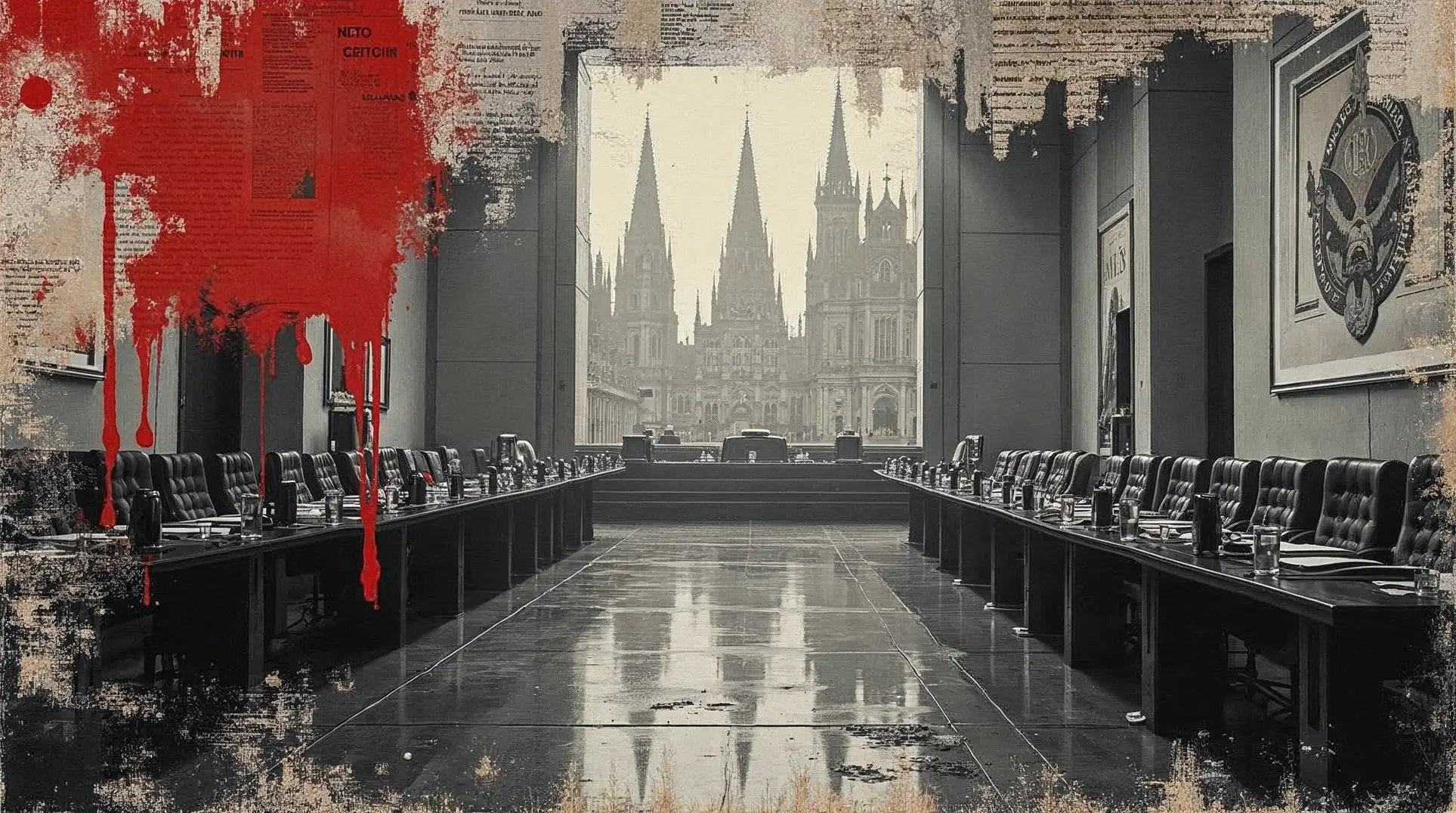
Members are reading: Why enforcement architecture and European co-authorship determine whether any settlement avoids repeating the Budapest Memorandum failure.
What Kyiv and Brussels must secure
The Switzerland consultations offer a procedural opening, but substance will determine whether European security norms survive contact with Washington's timeline. Kyiv must insist on European co-authorship of any text, not post-facto consultations. Brussels, Berlin, Paris, and Warsaw need a seat in the drafting room to ensure the framework respects Alliance doctrine and provides enforceable guarantees. That means specificity: which countries commit forces, under what legal authority, with what automaticity of response, and subject to what oversight. Vague promises of "support" will not deter a Russia that has spent three years reconstituting forces while sanctions failed to compel withdrawal.
Switzerland's neutrality provides a venue, not a solution. The June 2024 summit built consensus around sovereignty; the coming consultations will test whether that consensus can withstand U.S. pressure for expedient closure. If the framework advances without European co-authorship and enforceable guarantees, it risks creating a hollow peace that neither Kyiv nor European capitals can sustain domestically, and that Moscow will test at the first opportunity. Process legitimacy and enforcement architecture are not diplomatic niceties—they are the difference between a durable settlement and a deferred collapse.
Subscribe to our free newsletter to unlock direct links to all sources used in this article.
We believe you deserve to verify everything we write. That's why we meticulously document every source.


