


In early 2025, the Integrated Food Security Phase Classification officially declared famine in multiple locations across Sudan—more than 635,000 people now experiencing catastrophic hunger, with over 24 million facing acute food insecurity between December 2024 and May 2025. The declaration coincided with Sudan topping the International Rescue Committee's Emergency Watchlist for the third consecutive year, a convergence that underscores both the scale of collapse and the international system's failure to respond. This is not climate-driven scarcity; it is engineered starvation, executed through siege, access denial, and direct attacks on the infrastructure of survival.
The IRC's 2025/2026 Watchlist frames Sudan within what the organization terms a "New World Disorder"—conflicts multiplying, access systematically blocked, health systems destroyed, and funding shrinking even as needs surge. Twenty countries on the list represent just 12 percent of the global population yet account for 89 percent of all people in humanitarian need. Sudan sits at the apex of this inversion, where alarm and paralysis coexist. The occupied Palestinian territories and South Sudan rank second and third, respectively, with Ethiopia, Haiti, the Democratic Republic of Congo, Lebanon, and Ukraine also listed. The pattern is clear: crises are concentrating, and response capacity is contracting.
Geography of hunger: Darfur, Kordofan, and the siege playbook
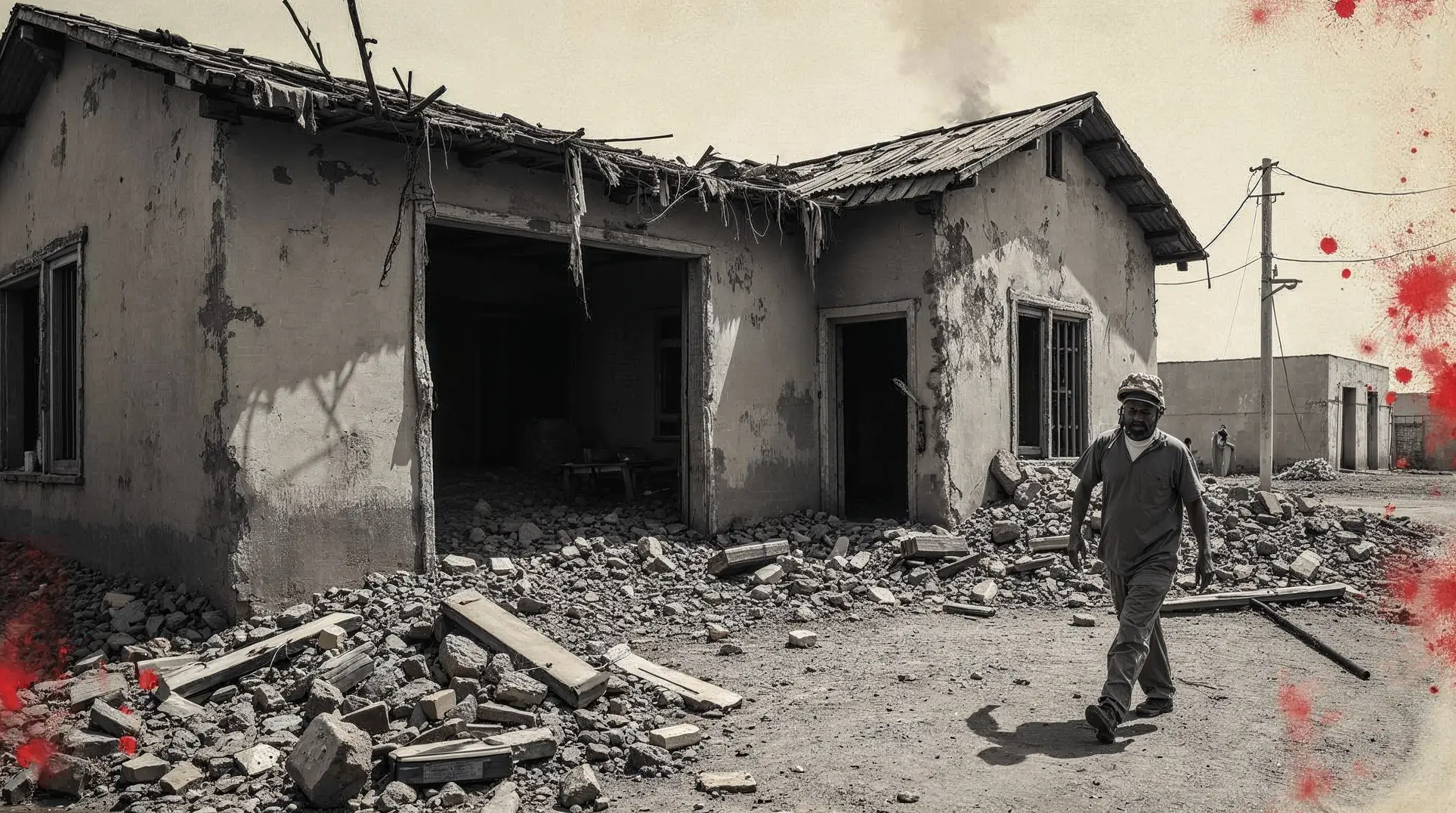
Famine conditions have crystallized most acutely in Darfur's displacement camps—Zamzam, areas around El Fasher under siege, and Tawila, which has become a major displacement hub. The weaponization of hunger as a tactic in El Fasher is now replicating across the Western Nuba Mountains and Kordofan corridor, particularly around Kadugli and Dilling. These are not isolated pockets; they form a connected geography of deliberate deprivation, where combatants control access, loot convoys, and target the mechanisms that keep people alive.
Since April 2023, approximately 8.5 million people have been displaced internally, with another 4 million fleeing to neighboring states—Chad, Egypt, Ethiopia, South Sudan, Uganda, and beyond. UNHCR's 2025 Sudan Regional Refugee Response Plan attempts to coordinate assistance across borders, but regional hosts face their own resource constraints. Displacement is no longer containable within Sudan; it is reshaping demographic and security dynamics across northeastern Africa, straining fragile systems from Darfur to the Great Lakes.
The health system has effectively ceased to function in conflict zones. A large share of hospitals are destroyed or non-operational; those still standing lack supplies, staff, and protection. A cholera outbreak has exceeded 120,000 confirmed cases with over 1,800 deaths as of the latest 2025 reporting, compounding mortality risks already elevated by malnutrition. Disease and famine interact lethally: weakened immune systems, contaminated water, collapsed sanitation, and no medical response.
Members are reading: Why Sudan's top ranking reveals the collapse of the humanitarian early-warning system itself.
Outlook: intensification without intervention
WFP and other agencies warn that famine will intensify absent sustained access corridors, localized ceasefires for aid, and functioning cross-border operations. Current projections for 2026 are bleak. The IRC's characterization of a "New World Disorder" is not rhetorical; it describes a system where needs concentrate in a small number of states, funding contracts, and the normative architecture protecting civilians and aid workers fractures under pressure. Kordofan now confronts the same atrocity playbook refined in El Fasher: siege, starvation, and denial.
The risk is clear: without a step-change in access and a funding surge that matches the scale of need, Sudan's famine will deepen and spread, displacement will accelerate, and disease will kill at scale. Regional spillovers will intensify, destabilizing neighboring states already hosting millions. The watchlist provides the map; the question is whether any actor has the political will to force open the corridors that could prevent what comes next. International humanitarian law demands the protection of civilians and aid workers and the removal of access barriers. So far, those demands have been met with attacks, obstruction, and silence.
Subscribe to our free newsletter to unlock direct links to all sources used in this article.
We believe you deserve to verify everything we write. That's why we meticulously document every source.


