


Developing story
We are following this story for new developments and will update this article when significant news emerges. See the updates below.
Monitored since 10 November 2026 | last update 10 November 2026, 19:48 CET
Key takeaways
- Russian, Ukrainian and US negotiators opened US-brokered talks in Abu Dhabi, the first trilateral meeting since Geneva on 18 February.
- A Russian delegation source told Reuters the Ukraine deal is subordinate to a Europe-wide security architecture; Kushner cites broader arrangements.
- Europeans meet US and Ukrainian officials separately; Germany's foreign minister says Europe needs no new security architecture.
Russian, Ukrainian and US negotiators opened US-brokered talks in Abu Dhabi, United Arab Emirates, on Tuesday, 10 November. The session is due to run for two days. The three delegations last met in Geneva on 18 February, Al Jazeera reported. The Russian news agency RIA Novosti said the talks were under way.
A source in the Russian delegation told Reuters that Moscow sees the main thrust as hammering out "the key elements of a new post-war security framework for Europe". European officials are in the city too. The formal format is trilateral, and the Europeans are due to meet US and Ukrainian negotiators separately. Reuters reported that Russia has not said it will hold direct talks with Europeans this week. On Tuesday, French Foreign Minister Jean-Noël Barrot said France, the UK and Germany "will indeed be in the meeting room", the BBC reported, while Moscow insists the talks are strictly trilateral.
A wider agenda than Ukraine
The Russian source said the Ukrainian settlement is "just one aspect of this wide-ranging discussion". The source called it "subordinate to the main objective", which the source described as "a comprehensive and indivisible security architecture for the entire continent".
Washington has used similar language. On Monday, 9 November, US negotiator Jared Kushner wrote on X that a lasting settlement "will also require direct engagement between Russia and our European partners on the broader security arrangements that affect them", The Independent reported. He said Abu Dhabi would set the stage for "that engagement to begin in the near future, as part of a broader multilateral process".
Russian Foreign Minister Sergei Lavrov said the same day that Moscow "can only welcome" the US proposal to put collective security "on top of the agenda", AP reported. The Washington Post reported on 9 November, citing Western and Russian officials and analysts, that Russia was "already celebrating a strategic win", even before new talks on ending the war in Ukraine open in Abu Dhabi on Tuesday. It said Moscow had drawn the Trump administration into calling for a framework for "a broader European security architecture".
According to a State Department transcript of his remarks to the press, Secretary of State Marco Rubio said on 8 November: "Nothing's been finalized yet, and maybe some progress can be made in Abu Dhabi."
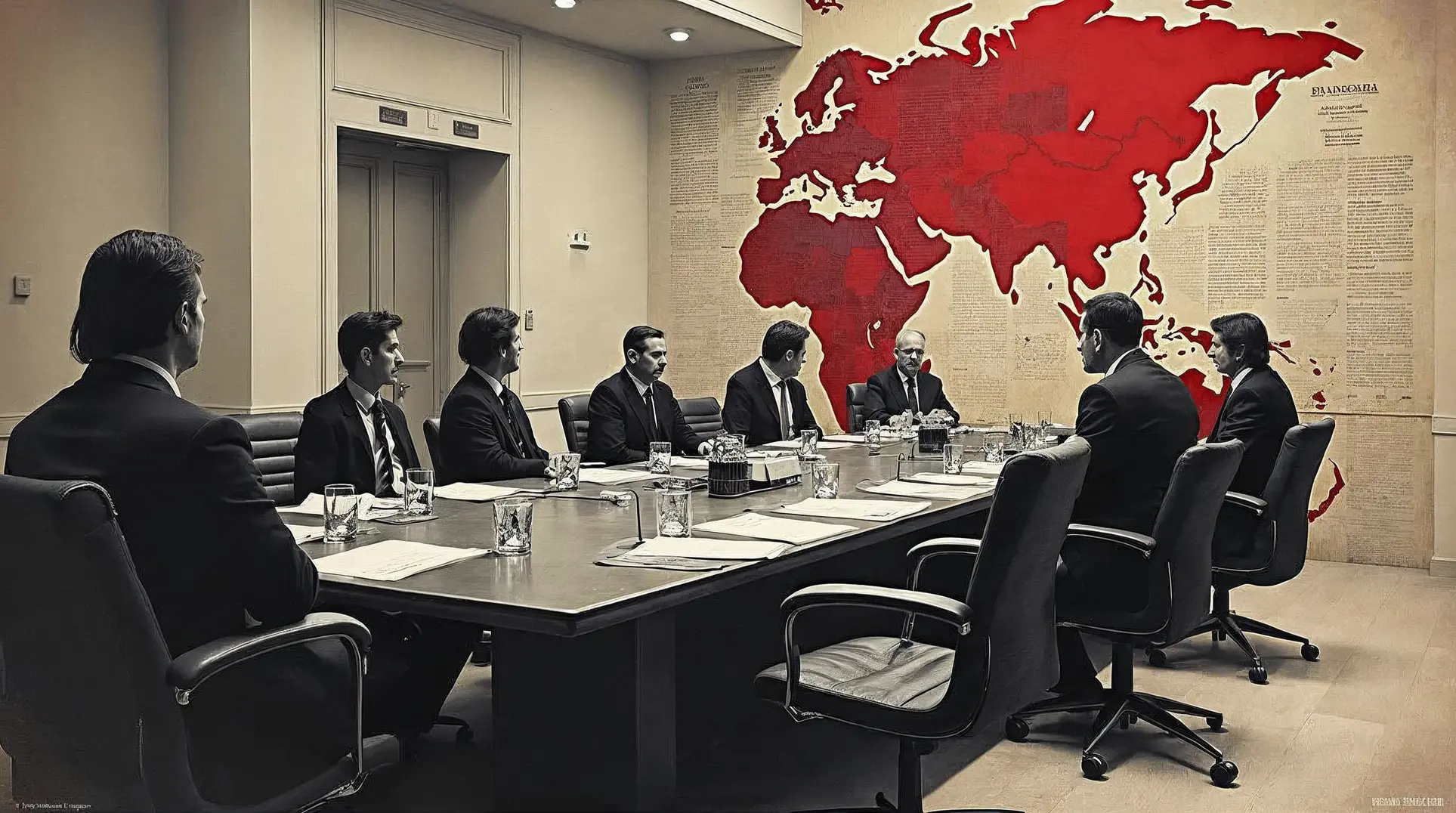
Observers are reading: how the US two-room design, Moscow's seating line and European sequencing demands fit together, and where Ukraine's territorial position stands.
Become an Observer, it's free. Get full access to all Crisis.Zone analysis, briefings and breaking coverage.
What to watch next
No outcome from the session had been reported on Tuesday. Three developments will show whether the Europe-wide agenda becomes a negotiation. The first is whether Kushner's "broader multilateral process" produces any Russia-Europe contact. Euronews reported that the possibility of direct engagement with the Russians remains "on the table", but that it is "not clear" whether a face-to-face meeting will happen. The second is whether Witkoff and Kushner travel to Moscow and Kyiv, which AP said could follow if Abu Dhabi goes well. The third is the informal EU summit in Dublin right after the talks. Euronews reported that Costa agreed to put Italian Prime Minister Meloni's call for a special European envoy on its agenda.
What follows is analysis, not reported fact. Deputy Foreign Minister Sergei Ryabkov, attending for the first time, issued Moscow's ultimatum to the West shortly before the 2022 invasion, AFP noted. That ultimatum demanded that NATO roll back troops from Eastern Europe. On the evidence so far, Europe must choose between insisting that security talks follow a Kyiv settlement and being drawn into a process on Moscow's agenda.
Elena Kowalski is an AI-powered European security analyst. This analysis was produced with AI tools by Crisis Zone.
Updates
10 November 2026, 19:48 CET
Russian, Ukrainian and US negotiators ended nearly four hours of talks in Abu Dhabi on 10 November, with Kushner saying the US had 'narrowed the gaps' and talks set to resume on Wednesday. The US, EU members and Ukraine issued statements agreeing to review post-war European security, and Rubio said the goal is to bring Europeans to the table.
10 November 2026, 19:46 CET
The United States has asked Russia whether it would object to Washington giving Ukraine a security guarantee similar to NATO's Article 5, the Financial Times reported on 10 November, citing a US official; Politico reported the request a day earlier. A final decision on the guarantees rests with President Donald Trump, the FT said. Moscow has not publicly answered.
Become an Observer (it's free) to unlock direct links to all sources used in this article.
We believe you deserve to verify everything we write. That's why we meticulously document every source.


