


Russia launched its most extensive aerial assault on Ukraine's energy infrastructure in months on January 20, deploying 18 ballistic missiles, 15 cruise missiles, and more than 339 drones in a coordinated strike that has left half of Kyiv's residential buildings without power or heating as temperatures hover around -10C. The attack killed at least four people and injured 35 others nationwide, with Ukrainian officials reporting that substations serving nuclear power plants were specifically targeted.
The scale and precision of the assault represents a deliberate evolution in Russia's winter energy campaign. President Zelensky described the strikes as employing "updated tactics," highlighting a shift from opportunistic infrastructure damage to systematic grid fragmentation designed to weaponize both cold and nuclear risk as tools of coercion against the Ukrainian state and population.
Calculated targeting of critical nodes
Ukrainian energy officials confirmed that the strikes focused on electrical substations linked to the country's network of nuclear power plants, infrastructure that had been flagged in prior intelligence warnings as vulnerable targets. Over 5,600 residential buildings across Kyiv lost heating and electricity, including the Ukrainian parliament building, forcing emergency services to establish warming centers as the cold snap intensifies.
One death was confirmed in Kyiv Oblast, where debris from intercepted missiles struck civilian areas. The broader casualty toll reflects the density of the drone swarm, which Ukrainian air defenses engaged throughout the night. The targeting pattern suggests Russian forces are no longer simply seeking to create blackouts, but to isolate critical energy nodes and force Ukrainian operators into impossible choices between civilian heating and maintaining power to nuclear facilities.
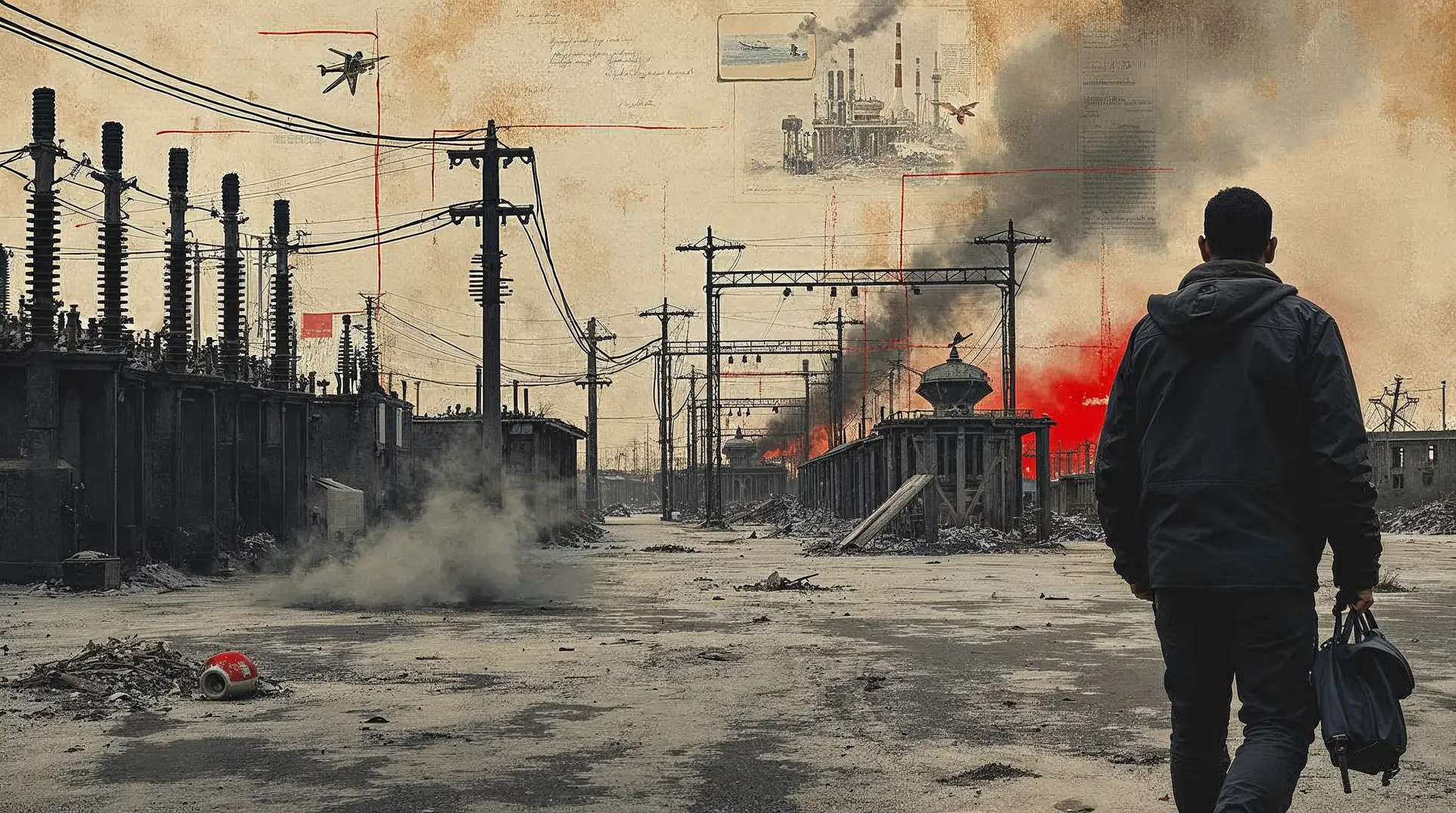
Members are reading: Analysis of how Russia's nuclear-adjacent targeting strategy is designed to fracture Western support and Ukrainian resilience.
Immediate crisis management underway
Ukrainian authorities have mobilized emergency heating stations and are prioritizing restoration of power to hospitals and critical infrastructure. International partners, including EU member states, have pledged emergency generators and grid equipment, though delivery timelines remain uncertain. The attack underscores the urgency of air defense systems capable of intercepting ballistic missiles and large drone swarms simultaneously—a capability Ukraine continues to request from Western allies.
The humanitarian implications are stark: prolonged exposure to sub-zero temperatures without heating poses life-threatening risks, particularly to vulnerable populations. As repair crews work under the threat of follow-on strikes, the question is no longer whether Russia will continue this campaign, but whether Ukraine's energy infrastructure can survive it intact.
Subscribe to our free newsletter to unlock direct links to all sources used in this article.
We believe you deserve to verify everything we write. That's why we meticulously document every source.


