


Russian President Vladimir Putin told a gathering of Russia's top businessmen on December 24, 2025, that Moscow might consider swapping some occupied Ukrainian territory—but only if Russia secures complete control of the Donbas region. The statement, reported by Kommersant, has been interpreted by some Western observers as a potential opening for negotiations. From a European security perspective, however, this framing fundamentally misreads Putin's strategic calculus. This is not a peace overture; it is an attempt to achieve through diplomacy what has proven devastatingly costly on the battlefield.
The remaining 10% of Ukrainian-controlled Donbas represents far more than territorial percentiles. It constitutes Ukraine's most formidable defensive infrastructure—a fortress belt constructed over a decade of conflict. Putin's willingness to trade less strategically vital occupied territories for this specific prize reveals his core objective: to dismantle Ukraine's eastern defenses without the casualties that a direct assault would inevitably entail.
The fortress belt that cannot be conceded
Russia currently controls approximately 90% of the Donbas oblasts—Donetsk and Luhansk—along with roughly 75% of Zaporizhzhia and Kherson regions, plus smaller portions of Kharkiv and other areas. Yet Moscow's grinding advances have stalled against Ukraine's remaining defensive positions in eastern Donbas, a network of fortifications developed since 2014. These positions include hardened strongpoints, layered defensive lines, and terrain advantages that have absorbed repeated Russian assaults at enormous cost.
The Atlantic Council analysis makes clear why this territory matters beyond symbolic value: it represents Ukraine's primary bulwark against further westward advances. Ceding these fortifications would not simply redraw borders—it would fundamentally alter the strategic balance. Without this defensive belt, Ukrainian forces would lose their ability to contest Russian advances toward central Ukraine, potentially exposing cities like Dnipro and even creating vulnerabilities along approaches to Kyiv itself. Putin's insistence on acquiring this specific territory, while offering to "swap" other occupied areas, reveals his understanding of its military significance.
The logic is coldly transactional. Why expend hundreds of thousands of additional casualties storming prepared defenses when diplomatic pressure might induce Kyiv to surrender them voluntarily? From Moscow's perspective, trading territories that provide minimal strategic depth for fortifications that took Ukraine a decade to build represents an extraordinary bargain.
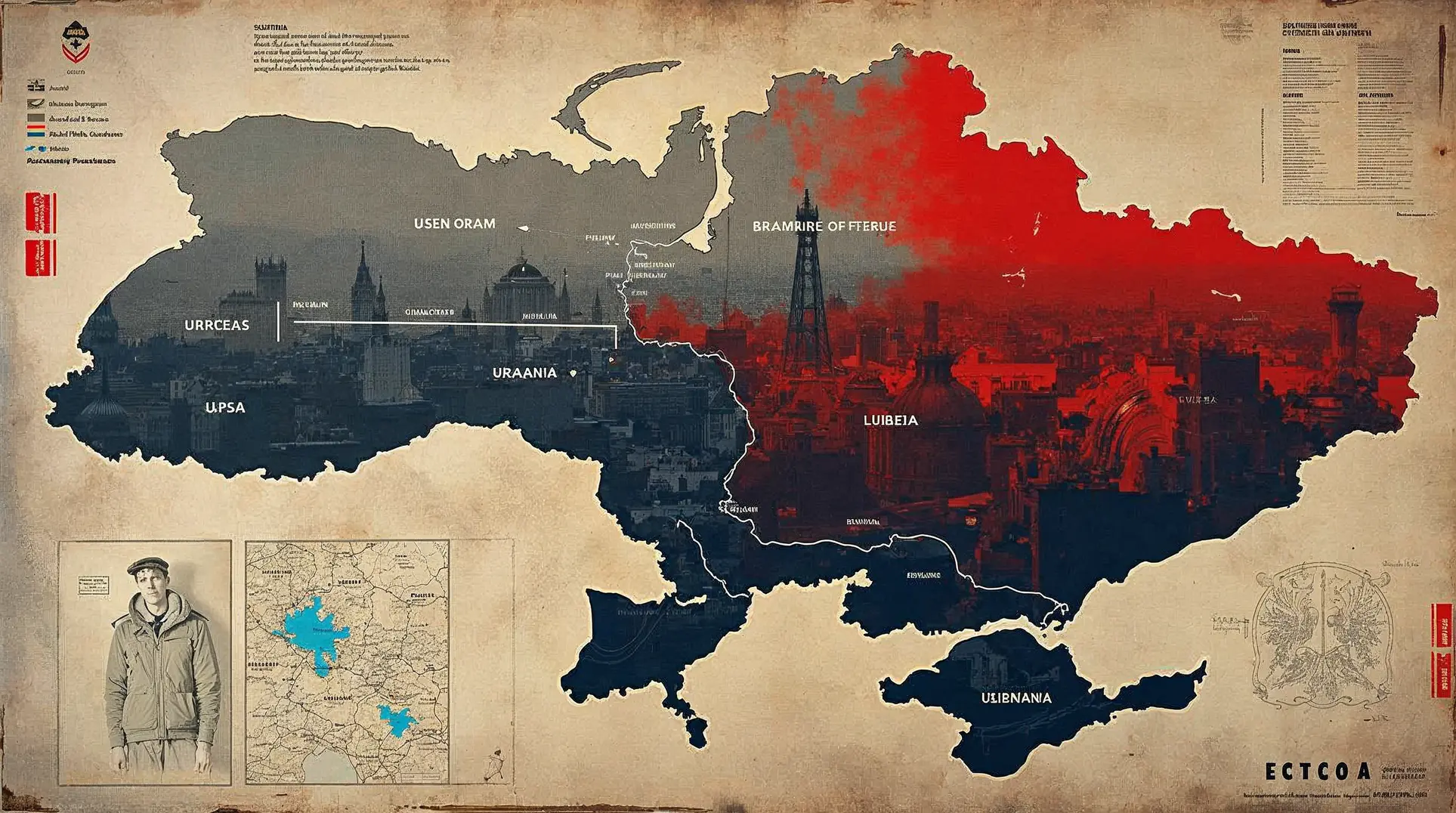
Members are reading: Why Putin's territorial demands reveal plans for future offensives, not compromise for peace.
Pressure mounts at the negotiating table
Putin's statement arrives as U.S.-led peace talks intensify pressure on Kyiv for territorial compromise. President Volodymyr Zelenskyy has proposed a 20-point peace plan including potential demilitarized zones in Donbas, but no agreement has emerged on this critical issue. The gulf between Ukrainian proposals for mutual buffer zones and Russian demands for unilateral Ukrainian disarmament remains unbridgeable.
European partners have stiffened their resistance to American pressure for rapid settlement, recognizing that a strategically vulnerable Ukraine creates long-term instability across NATO's eastern flank. The recent Ukrainian withdrawal from Siversk demonstrates the ongoing pressure against remaining defensive positions—precisely the territory Putin now demands through negotiation.
The transatlantic divide reflects fundamentally different threat perceptions. Washington views the conflict primarily through the lens of immediate resolution; European capitals understand it as the opening phase of a longer confrontation over the security architecture of Eastern Europe.
Negotiating surrender, not peace
Putin's conditional openness to territorial swaps should be recognized for what it is: an attempt to achieve core military objectives through diplomatic pressure that are proving prohibitively costly through combat. The specific focus on Donbas fortifications reveals strategic intent that extends beyond current battle lines. Any agreement that trades Ukraine's decade-old defensive infrastructure for occupied territories of lesser strategic value would represent a continuation of Putin's war aims by other means—guaranteeing Ukraine's permanent vulnerability to future Russian aggression and ensuring Kyiv remains subject to Moscow's coercive leverage indefinitely.
Subscribe to our free newsletter to unlock direct links to all sources used in this article.
We believe you deserve to verify everything we write. That's why we meticulously document every source.


