


In the cold calculus of great power competition, few signals resonate as clearly as successful weapons tests. Russia's announcement Wednesday that it has successfully tested its Poseidon nuclear-powered underwater drone—coming just three days after claiming a breakthrough with the Burevestnik nuclear-powered cruise missile—represents far more than technological achievement. These demonstrations constitute a carefully choreographed strategic communication aimed squarely at Washington, designed to fundamentally recalibrate American expectations as the New START treaty expires and Ukraine negotiations remain deadlocked.
Vladimir Putin's emphasis on the weapons' purported invulnerability—claiming they "cannot be intercepted"—reveals the essential nature of this gambit. In an era where missile defense systems have eroded traditional deterrence equations, Moscow is advertising capabilities that bypass conventional defensive architectures entirely. Whether these systems work as advertised matters less than the strategic uncertainty they inject into Western planning assumptions.
The timing raises the critical question that will define 2025's strategic landscape: As traditional arms control frameworks collapse and territorial disputes intensify, is Russia's nuclear saber-rattling a negotiating position from strength, or the desperate theater of a power whose conventional options have narrowed?
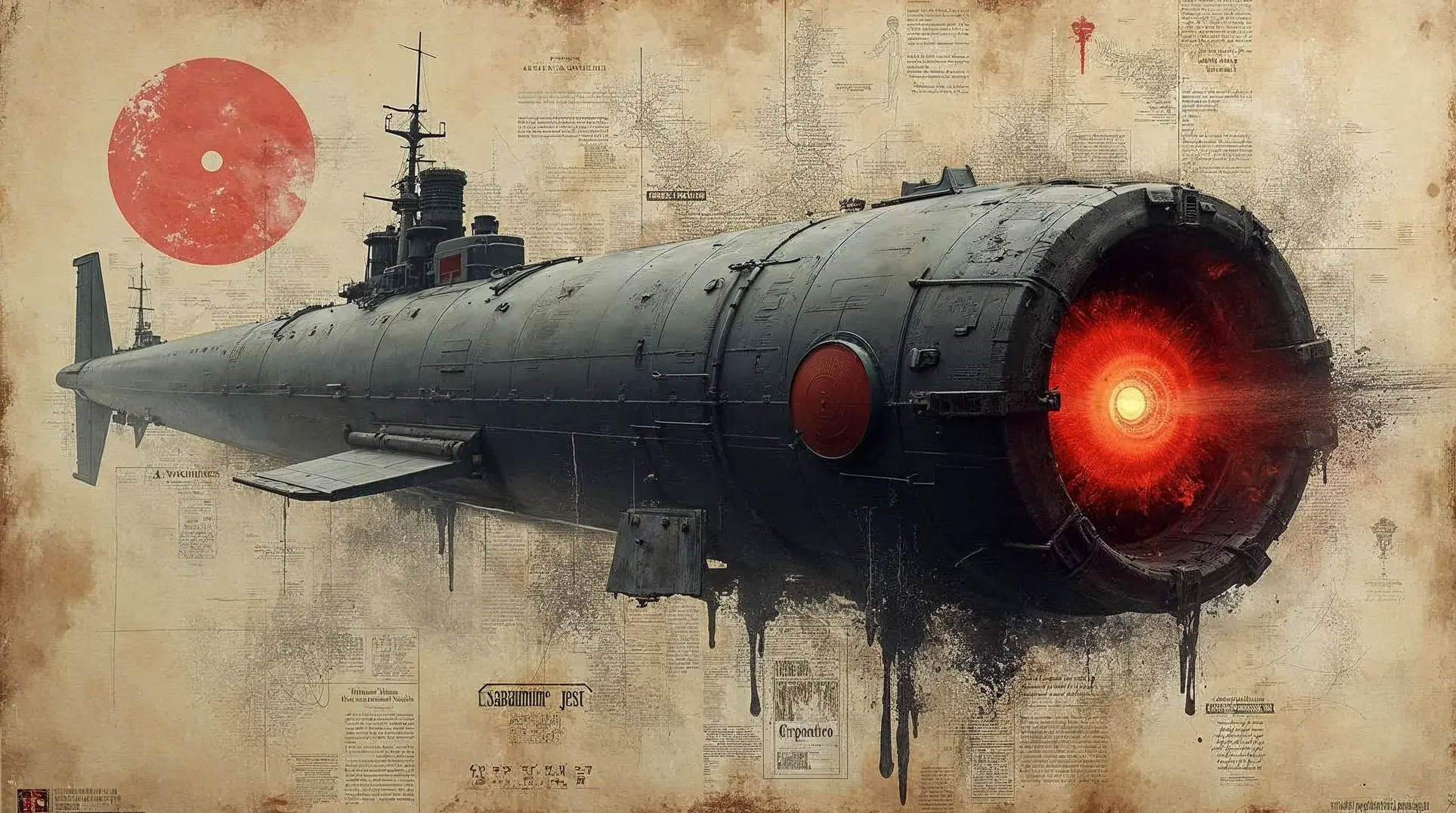
Members are reading: How Poseidon's unlimited range and claimed invulnerability fundamentally rewrite deterrence equations by bypassing missile defense architectures entirely.
The Trump Variable: Signaling Maximalism While Negotiations Stall
Putin's personal announcement of these tests—rather than relegating them to defense ministry statements—underscores their political rather than purely military character. The timing, occurring as President Trump pursues his promised Ukraine peace initiative while simultaneously facing expiration of the New START treaty in February 2026, represents calculated strategic communication.
Moscow's current position on Ukraine remains maximalist: recognition of annexed territories, permanent Ukrainian neutrality enforced through constitutional prohibition on NATO membership, and severe restrictions on Ukraine's military capabilities. These demands essentially require Washington to pressure Kyiv into accepting defeat on Russia's terms—a politically untenable position for any American administration, regardless of Trump's transactional instincts.
The weapons tests inject a specific message into this diplomatic impasse: Russia possesses escalation options that bypass conventional military calculus entirely. This is not a threat of immediate use—Putin remains too sophisticated a strategist for crude nuclear blackmail. Rather, it is a reminder that Russia's tolerance for protracted confrontation exceeds Western assumptions, backed by capabilities that make territorial sanctuary an obsolete concept.
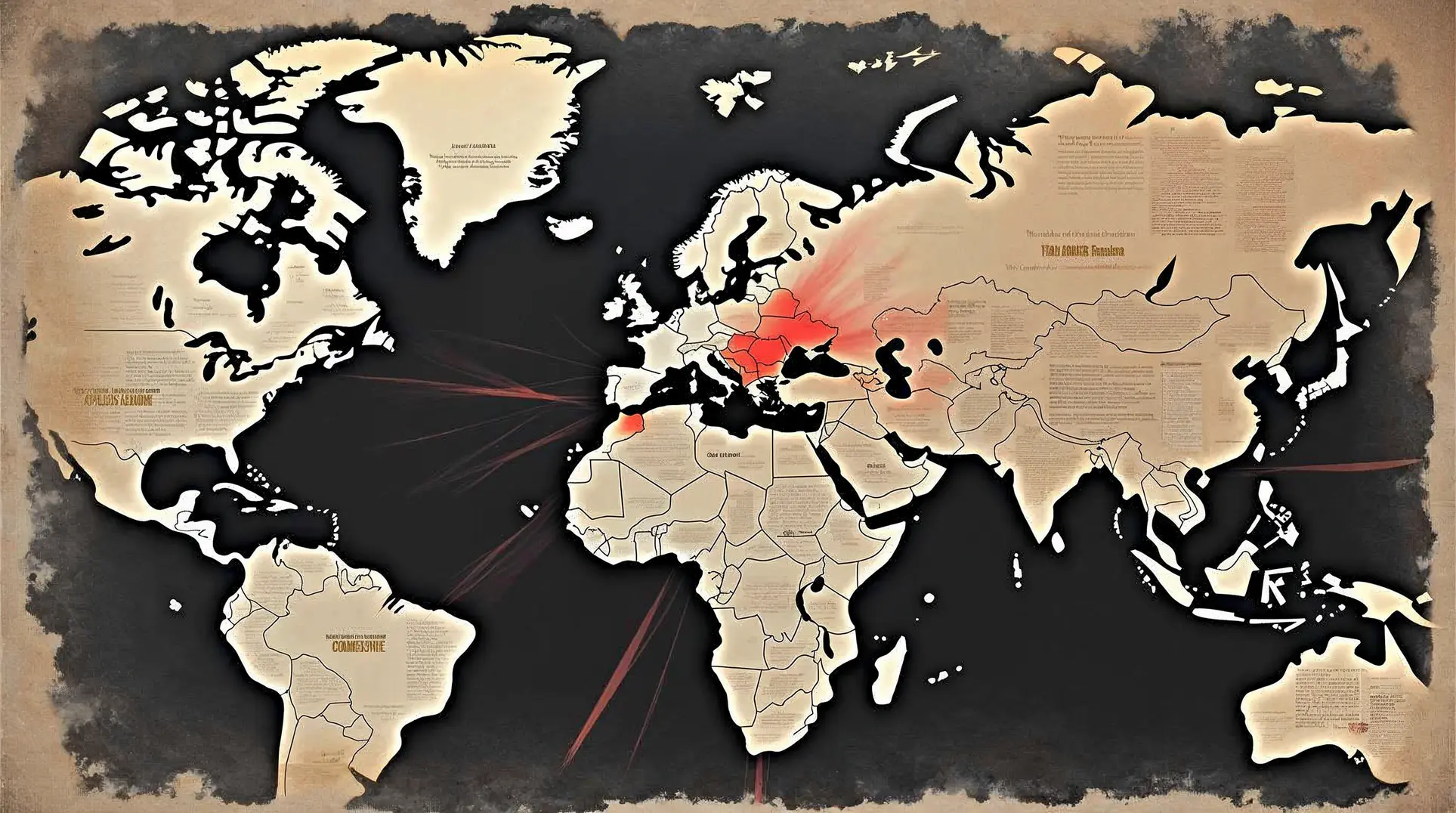
Members are reading: Why Russia's risk tolerance and historical experience make super-weapon development strategically rational, plus the domestic political calculations reinforcing Moscow's maximalist position.
The Erosion of Strategic Stability: Beyond New START
The broader context of collapsing arms control architecture makes these developments particularly consequential. The ABM Treaty withdrawal, INF Treaty collapse, and expiring New START represent more than diplomatic failures—they signal the end of a strategic stability framework that prevented worst-case planning from driving weapons development.
During the Cold War's most dangerous phases, arms control served less to reduce weapons than to make adversaries' capabilities predictable. Verification regimes, counting rules, and agreed definitions allowed each side to plan based on known quantities rather than paranoid assumptions. The current environment lacks these constraints, incentivizing exactly the kind of exotic capabilities Russia now demonstrates.
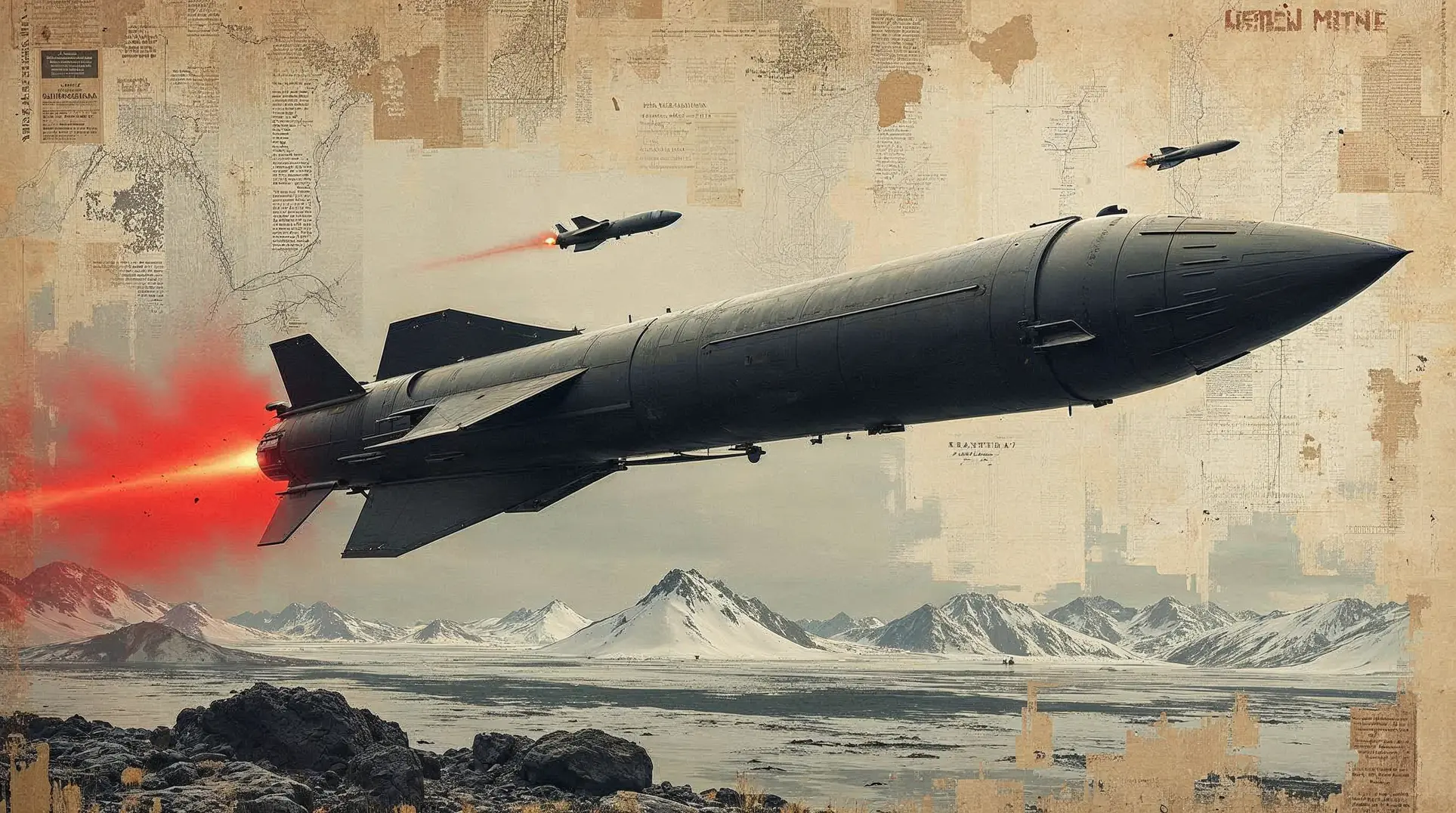
Members are reading: How asymmetric stakes assessment and domestic political calendars favor Russian strategic patience, plus implications for Taiwan and broader international order.
The International Response: Selective Outrage and Strategic Silence
Western reactions to these tests have been notably muted compared to other Russian military developments. This relative silence reflects several dynamics. First, super-weapons like Poseidon and Burevestnik defy traditional response frameworks. How does one condemn capabilities that occupy legal grey areas in arms control treaties? What specific diplomatic action addresses an underwater nuclear drone?
Second, Western governments avoid highlighting Russian capabilities they cannot effectively counter, as this undermines their own deterrent credibility. Extensive public discussion of Poseidon's invulnerability admits Western defensive limitations, potentially encouraging exactly the kind of nuclear coercion these weapons enable.
Third, fatigue with Ukraine conflict developments has set in among publics and policymakers alike. Two years of war, multiple sanctions packages, billions in military aid—all without decisive resolution—have dulled responsiveness to new escalatory signals. Russia's weapons tests become background noise rather than galvanizing moments.
Looking Ahead: The Logic of Apocalyptic Deterrence
Russia's demonstration of Poseidon and Burevestnik capabilities will not force immediate Western capitulation on Ukraine. Nuclear blackmail rarely works so crudely, and both sides understand the catastrophic consequences of miscalculation. However, these systems fundamentally alter the strategic landscape by introducing capabilities that bypass existing defensive and arms control architectures.
From a realpolitik perspective, the tests represent rational strategic investment by a power leveraging comparative advantages while compensating for conventional weaknesses. Whether morally acceptable or strategically wise in absolute terms matters less than recognizing the internal logic driving Russian behavior. Moscow believes time and risk tolerance favor its position, and super-weapons reinforce this calculation by ensuring Western planners must account for worst-case scenarios that transcend conventional military analysis.
The ultimate resolution will likely reflect not technological capabilities but political endurance—which side maintains domestic support and strategic coherence through protracted confrontation. Russia's apocalyptic deterrent raises the stakes of this endurance contest, but does not predetermine its outcome. History suggests great powers rarely capitulate based on weapons demonstrations alone; they adjust to new capabilities, develop countermeasures, and recalibrate risk assessments.
The test results Putin announced this week therefore mark not an endpoint but an inflection point—a signal that Russia's maximalist demands on Ukraine are backed by capabilities designed to make Western intervention unthinkable and long-term pressure unsustainable. Whether this gambit succeeds depends less on the weapons themselves than on the relative willingness of Moscow and Washington to accept catastrophic risks in pursuit of fundamentally incompatible objectives.
In the unforgiving arithmetic of power politics, Poseidon and Burevestnik represent Russia's answer to a question that will define this decade: When vital interests collide and conventional options narrow, who possesses both the capability and will to escalate beyond the adversary's tolerance? Moscow is betting the answer favors those willing to embrace apocalyptic instruments in service of strategic objectives—a wager that makes this era's nuclear risks unprecedented not in scale but in the willingness to employ them as routine diplomatic signaling.
Subscribe to our free newsletter to unlock direct links to all sources used in this article.
We believe you deserve to verify everything we write. That's why we meticulously document every source.


