


Pope Leo XIV declared on April 13, 2026, that he has "no fear of the Trump administration" and will continue speaking out against war, directly responding to President Donald Trump's social media attacks calling the pontiff "WEAK on Crime, and terrible for Foreign Policy." The statement, delivered as the Pope began an 11-day tour of Africa en route to Algeria, marks an unprecedented public confrontation between the leader of the Catholic Church and a sitting U.S. President.
Trump's April 12 social media post told Pope Leo to "focus on being a Great Pope, not a Politician," following the pontiff's recent condemnations of the U.S.-Israeli war in Iran and the administration's immigration policies. The Pope emphasized his message is rooted in the Gospel, stating: "The message of the Church, my message, the message of the Gospel: Blessed are the Peacemakers. I do not look at my role as being political, a politician."
Latest developments in the confrontation
Trump also claimed credit for Pope Leo's 2025 election, suggesting the American pontiff was chosen "because he was an American, and they thought that would be the best way to deal with President Donald J. Trump." Pope Leo dismissed the claim with a cryptic reference: "It's ironic – the name of the site itself. Say no more." The exchange underscores deepening tensions as Pope Leo has repeatedly criticized the ongoing U.S.-Israeli military campaign against Iran and Trump's domestic policies.
The confrontation occurs as diplomatic efforts to end the Iran war have faltered, with thousands killed across Iran and Lebanon since the conflict began in late February 2026. Pope Leo has consistently condemned what he calls the "madness of war," positioning himself as a vocal critic of military escalation in the Middle East. Trump's attacks represent the most direct presidential criticism of a reigning pope in modern U.S. history.
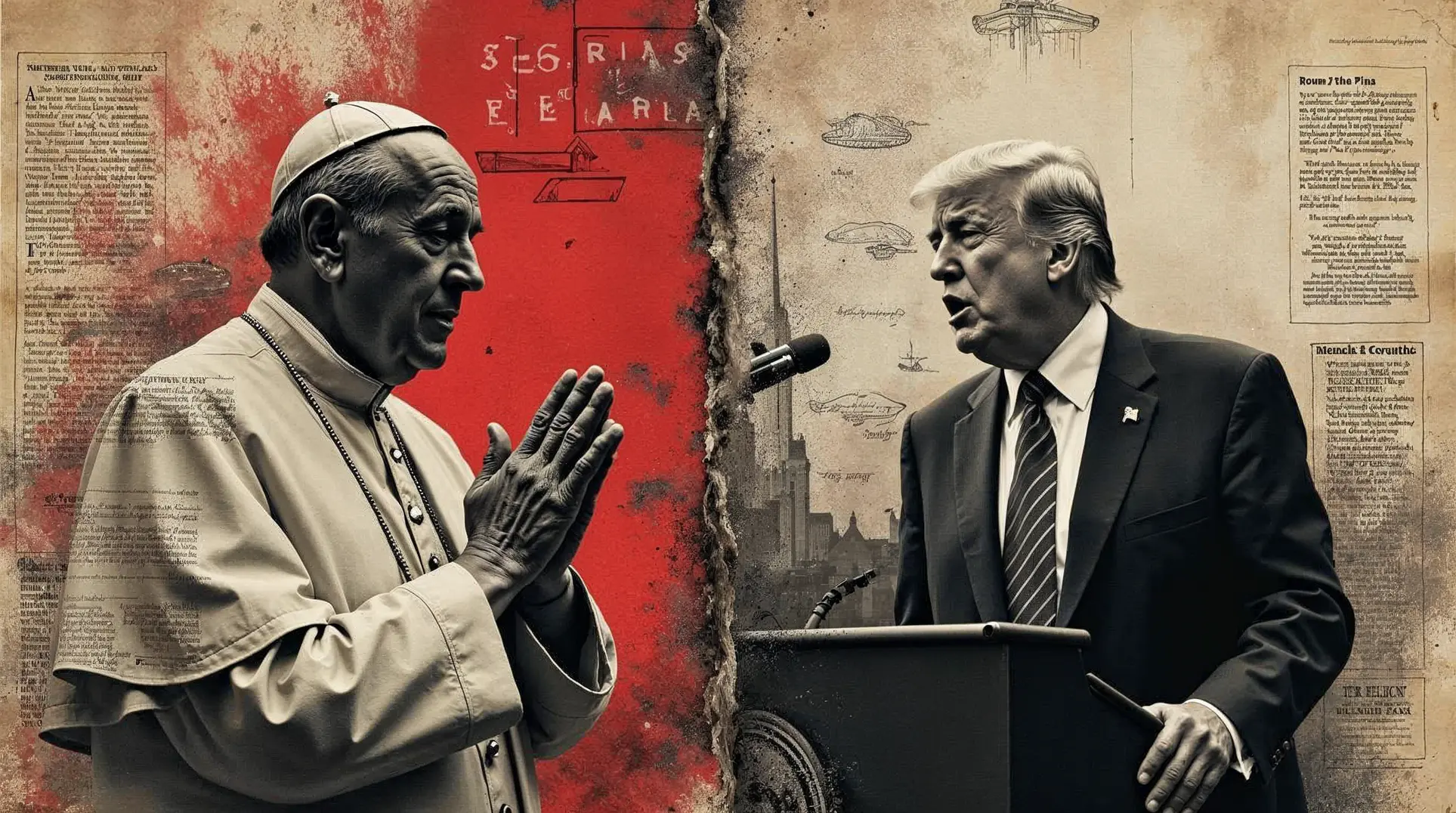
Members are reading: How the Pope's defiance tests Trump's ability to control the narrative on Iran as Catholic voters watch closely.
Broader implications for U.S. foreign policy
The confrontation highlights a stark divergence in moral visions between two of the most powerful Americans on the global stage. Pope Leo's assertion of spiritual authority over political considerations directly challenges Trump's framing of the Iran conflict as a necessary security operation. The exchange also reveals the administration's sensitivity to international criticism, particularly from figures who command moral authority independent of state power.
Trump has faced mounting criticism over the Iran war, including from European NATO allies who have restricted U.S. military operations. Pope Leo's public stance adds religious legitimacy to anti-war positions, complicating the administration's efforts to frame the conflict in straightforward national security terms. The coming days will test whether the Vatican's moral opposition translates into tangible diplomatic constraints on U.S. military action.
Subscribe to our free newsletter to unlock direct links to all sources used in this article.
We believe you deserve to verify everything we write. That's why we meticulously document every source.


