


The Philippines and United States have deepened their coordinated maritime operations across the South China Sea as part of an expanding series of joint activities aimed at reinforcing Manila's claims within its exclusive economic zone. Recent multilateral drills in October 2025 involving Australia, New Zealand, the Philippines, and the United States demonstrated the scale of allied commitment to the region. Philippine media and naval sources reported fresh confrontations with China Coast Guard and People's Liberation Army Navy units during the same period, continuing a pattern of routine contact that has become a defining feature of contested-waters operations. These coordinated efforts occurred against the backdrop of the week's most significant escalation: Japan's Defense Ministry disclosed that Chinese J-15 carrier fighters twice illuminated Japanese F-15s with fire-control radar while those F-15s monitored the Liaoning carrier strike group operating southeast of Okinawa between December 5 and 7.
Fire-control radar illumination is universally understood in military aviation as a weapons-employment step that compresses reaction timelines to seconds. Tokyo lodged a formal protest; no airspace violations or damage were reported. The incidents highlight a troubling asymmetry: while maritime protocols such as the Code for Unplanned Encounters at Sea exist to manage ship-to-ship friction, no robust, widely codified framework governs air-to-air encounters in these contested zones. That gap is widening as China's synchronized winter mobilizations increase both maritime and aerial presence across the First Island Chain, raising the probability that defensive responses may be misread as offensive.
South China Sea friction points intensify
Philippine Navy briefings cited sightings of 20 China Coast Guard and PLAN vessels across West Philippine Sea features during the first week of December, alongside over 100 maritime militia vessels detected during maritime domain awareness flights, according to GMA News reporting. The counts align with a broader December surge documented in earlier Crisis.Zone coverage: China deployed over 100 naval and coast guard vessels across multiple sea zones in early December, stressing allied intelligence, surveillance, and reconnaissance networks and deconfliction capacity.
Friction remains concentrated at familiar flashpoints. At Scarborough Shoal, China has layered administrative measures—including a "nature reserve" designation—and expanded patrols eastward, amounting to positional creep without new construction. At Second Thomas Shoal, China Coast Guard units have employed water cannons, conducted close maneuvers, and in one incident fired flares toward a Philippine patrol aircraft. During a BRP Sierra Madre resupply run, Philippine sources reported attempts to jam communications. At Subi Reef and near Thitu Island, PLAN and CCG vessels maintain persistent presence, shadowing Philippine Coast Guard and Navy operations.
Manila has deepened security cooperation in response. The Philippines and United States have clarified Mutual Defense Treaty coverage in 2024 statements, and Manila has broadened ties with Japan, Australia, and Canada through multilateral maritime cooperative activities and drills throughout 2025. China routinely shadows or tracks these patrols, generating continuous contact opportunities. The normalization of CCG and PLAN contact with Philippine vessels—water cannons, ramming, floating barriers—keeps friction constant. As Manila leans into joint patrols with the United States and partners, deconfliction mechanisms must keep pace with operational tempo.
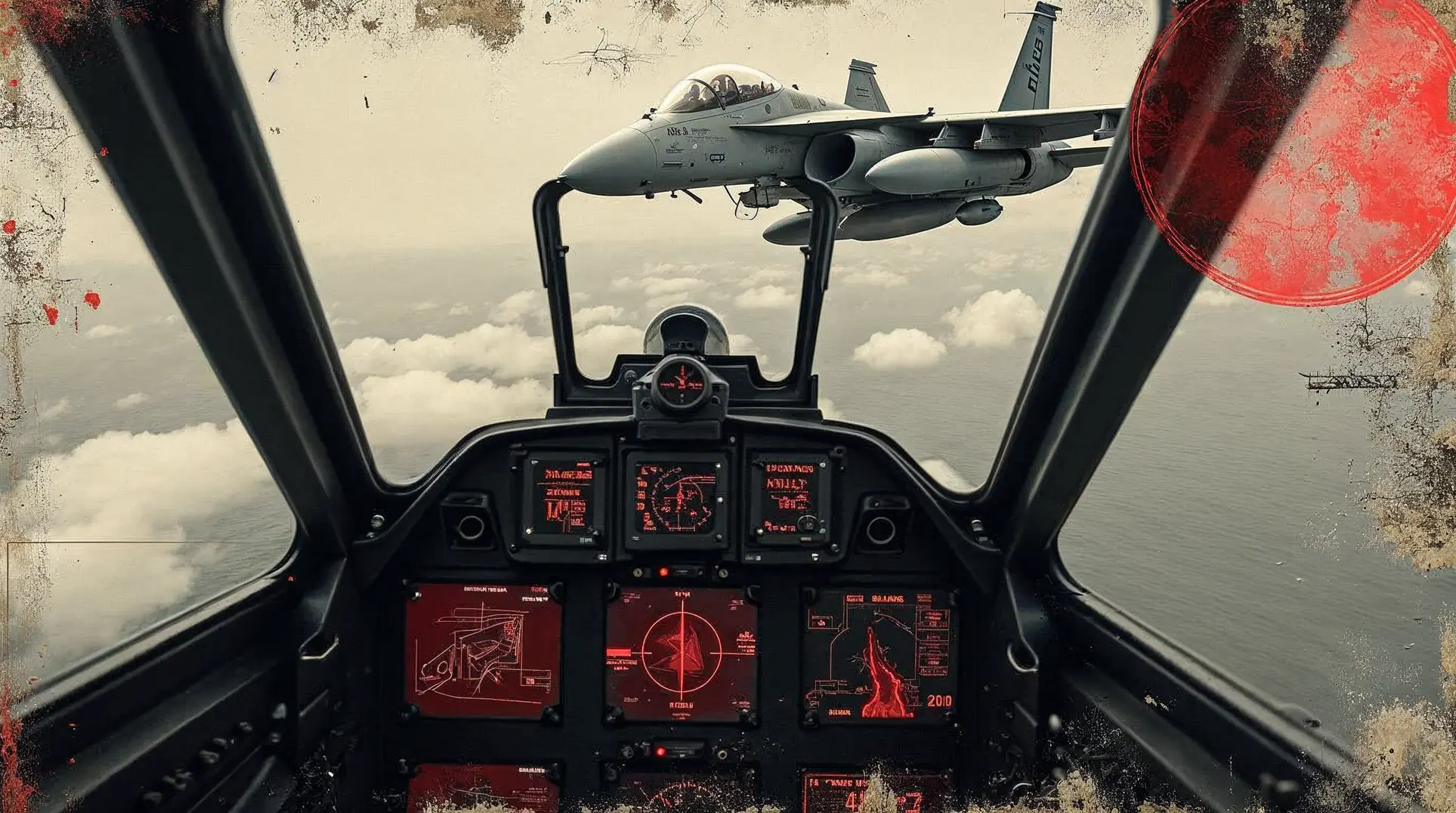
Members are reading: Why fire-control radar incidents expose a dangerous gap between air-domain operations and institutional guardrails across the First Island Chain.
What to watch in coming weeks
The test now is whether communication mechanisms and rules-of-engagement discipline keep pace with operational tempo. Key indicators include whether radar illumination by J-15s recurs; repetition would force institutional responses in Tokyo and potentially coordinated allied messaging. Any public evidence of hotlines or communication mechanisms being activated—Japan–China maritime and aerial mechanisms, U.S.–China Military Maritime Consultative Agreement dialogues—after the radar-lock incidents would signal crisis-management infrastructure under stress but still functional.
At sea, watch for signs that China enforces "nature reserve" or other administrative rules against Filipino fishermen at Scarborough Shoal, or any reappearance of floating barriers. Escalation in tools used against Philippine vessels—more powerful water cannons, intentional collisions—during or immediately after joint patrols would mark a new threshold. Allied posture shifts, including more frequent trilateral patrols, explicit Mutual Defense Treaty–linked statements, or ROE clarifications designed to manage cockpit and bridge decision cycles, would indicate recognition that current guardrails are insufficient.
 Chen Wei-Lin
The Philippines assumes the ASEAN chair in 2026. Analysts at Chatham House assess that a legally binding South China Sea Code of Conduct is unlikely next year due to high tensions and intra-ASEAN divisions. In the absence of multilateral frameworks, the burden falls on bilateral and trilateral mechanisms to prevent contact from becoming crisis. December's synchronized mobilizations have stress-tested those mechanisms. The question is whether institutional capacity can match operational intensity before decision windows compress beyond recovery.
 Chen Wei-Lin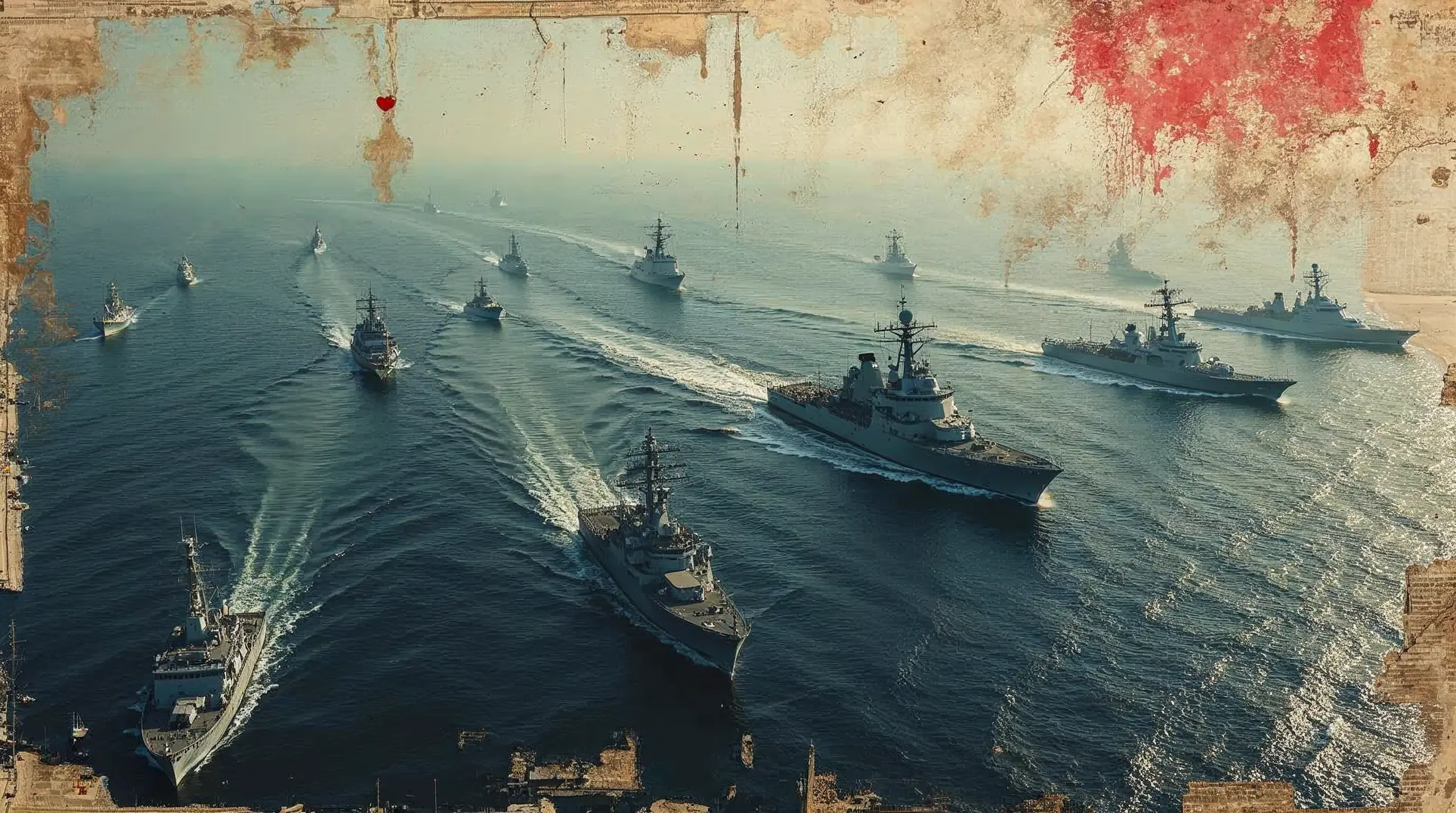
Subscribe to our free newsletter to unlock direct links to all sources used in this article.
We believe you deserve to verify everything we write. That's why we meticulously document every source.


