


Trilateral treaty's collective-defence clause arrives as Houthi attacks kill dozens and Hormuz traffic nears standstill
Saudi Crown Prince Mohammed bin Salman, Turkish President Recep Tayyip Erdoğan and Pakistani Prime Minister Shehbaz Sharil signed what was described as the Mecca Joint Defence Agreement on Friday in Islam's holiest city, with Pakistan's foreign ministry stating that an armed attack on any one of the three states "shall be regarded as an attack against them all." Pakistani army chief General Asim Munir accompanied the delegation, which performed Umrah before the signing.
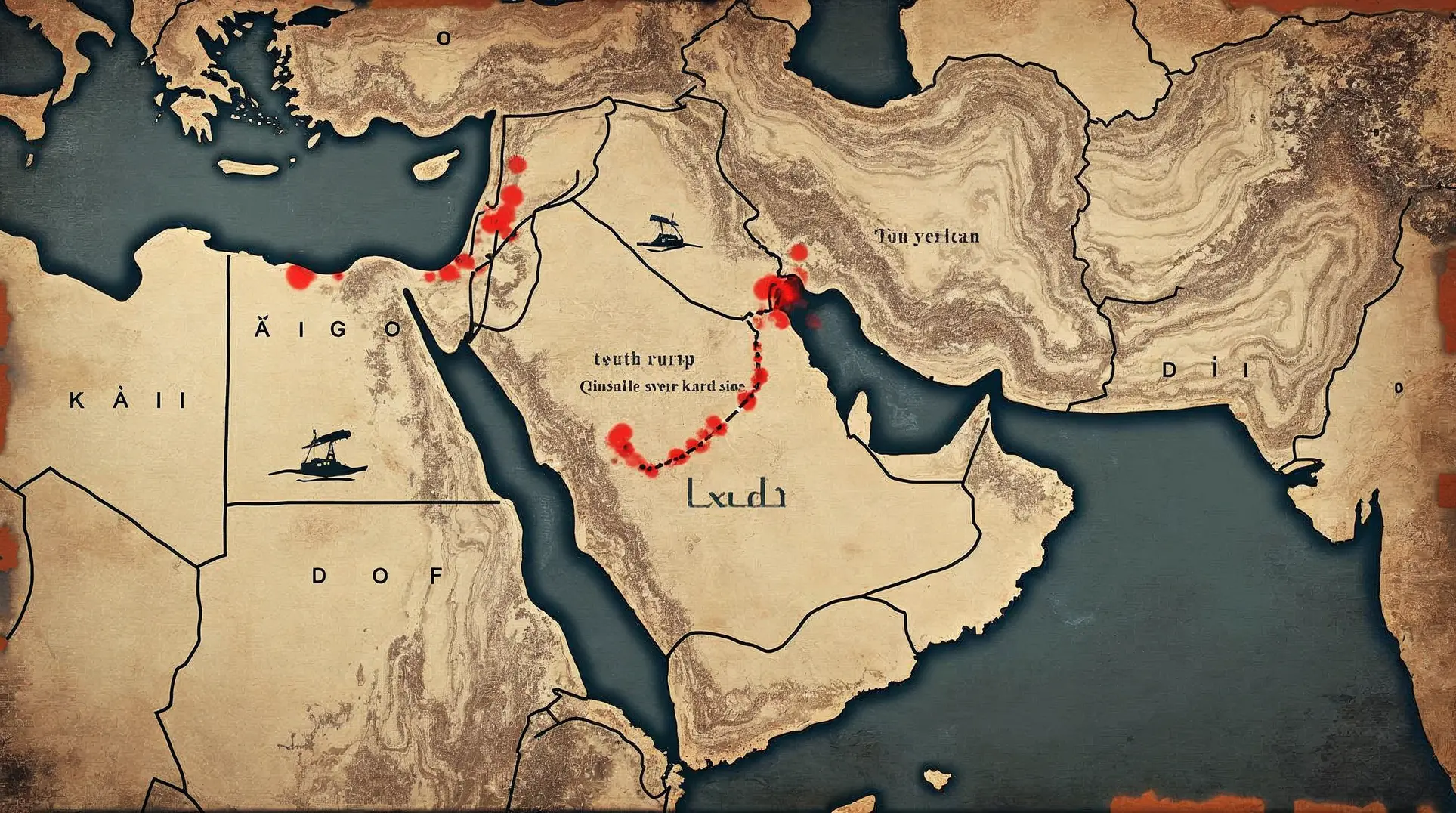
The agreement was not signed into calm. It landed a day after a senior Saudi official told CNN the kingdom expected "imminent coordinated attacks" from Iraqi militias and Houthi forces under Iranian Revolutionary Guard Corps supervision, and hours after Houthi missile and drone strikes killed at least 58 Yemeni government troops in Marib and Hadramawt — the deadliest day for Yemeni forces since 2022 — while wounding 11 civilians, including a child, in Najran. On signing day, just eight commercial vessels transited the Strait of Hormuz, against a pre-war average near 130.
What the pact does — and does not — commit to
A Turkish official described the agreement to Reuters as "purely defensive in nature, pledging mutual support only for defence." It covers military training, personnel exchanges, joint exercises, intelligence sharing and defence-industrial cooperation. Saudi Deputy Minister for Public Diplomacy Rayed Krimly stated it "does not represent an effort to establish a military axis or a sectarian bloc," nor is it "linked to any nuclear ambitions or arms race."
There is no integrated command structure, no standing joint force and no common budget — a political-military framework, not a treaty organisation. The exact geographic scope and triggering threshold for the collective-defence clause remain undisclosed.
The pact follows Riyadh's Red Sea naval coalition launched a week earlier and its first acknowledged combat role alongside US forces in Iraq on July 29 — the third major Saudi security move in ten days.
Observers are reading: why the pact's undefined trigger threshold may matter more than its Article 5 language.
Become an Observer — it's free. Get full access to all Crisis.Zone analysis, briefings and breaking coverage.
An untested deterrent
No Iranian government statement had been issued by Friday evening; Rezaei's post remains the only public reaction from Tehran. Gulf Research Center chairman Abdulaziz Sager called the summit's symbolism "significant," while analysts including the German Marshall Fund's Ozgur Unluhisarcikli frame it as reflecting "a growing desire for greater regional strategic autonomy" as confidence in the US security umbrella erodes. Whether the Mecca pact deters the next Houthi salvo, or is tested by it, will likely be decided within days, not months.
Become an Observer — it's free — to unlock direct links to all sources used in this article.
We believe you deserve to verify everything we write. That's why we meticulously document every source.


