


Key takeaways
- Attackers on motorcycles killed at least 48 people in Tagadayat on October 18, according to the Daoussahak community's executive bureau.
- Officials and security sources call the raid retaliation for abuses attributed to the army, MSA militiamen and Africa Corps.
- Community leaders blame Islamic State Sahel Province, which had issued no claim by October 20; Reuters reported that Mali's army and Russia's embassy in Bamako did not respond to requests for comment.
Attackers on motorcycles killed at least 48 people in the Tagadayat sector of northeastern Mali on the evening of Sunday, October 18, according to the Daoussahak Community Executive Bureau. Other tallies range from 40 to more than 70, and counts remain provisional in a remote area. The raids hit at least five localities and encampments about 50 kilometers from the city of Ménaka, with Tinabow among the places affected.
A witness in Tinabow described the assault: "Several dozen motorcycles suddenly arrived, and the attackers began shooting and setting homes on fire. They didn’t speak to anyone. They just started killing." The assailants fired at men, women and the elderly, burned encampments and stole livestock. Hundreds of civilians fled toward Ménaka city. Most victims belong to the Daoussahak (also spelled Idaksahak), a pastoralist community aligned with the Tuareg. Community leaders and local security sources blame Islamic State Sahel Province (ISSP). The group had issued no formal claim by October 20.
A week of reprisals
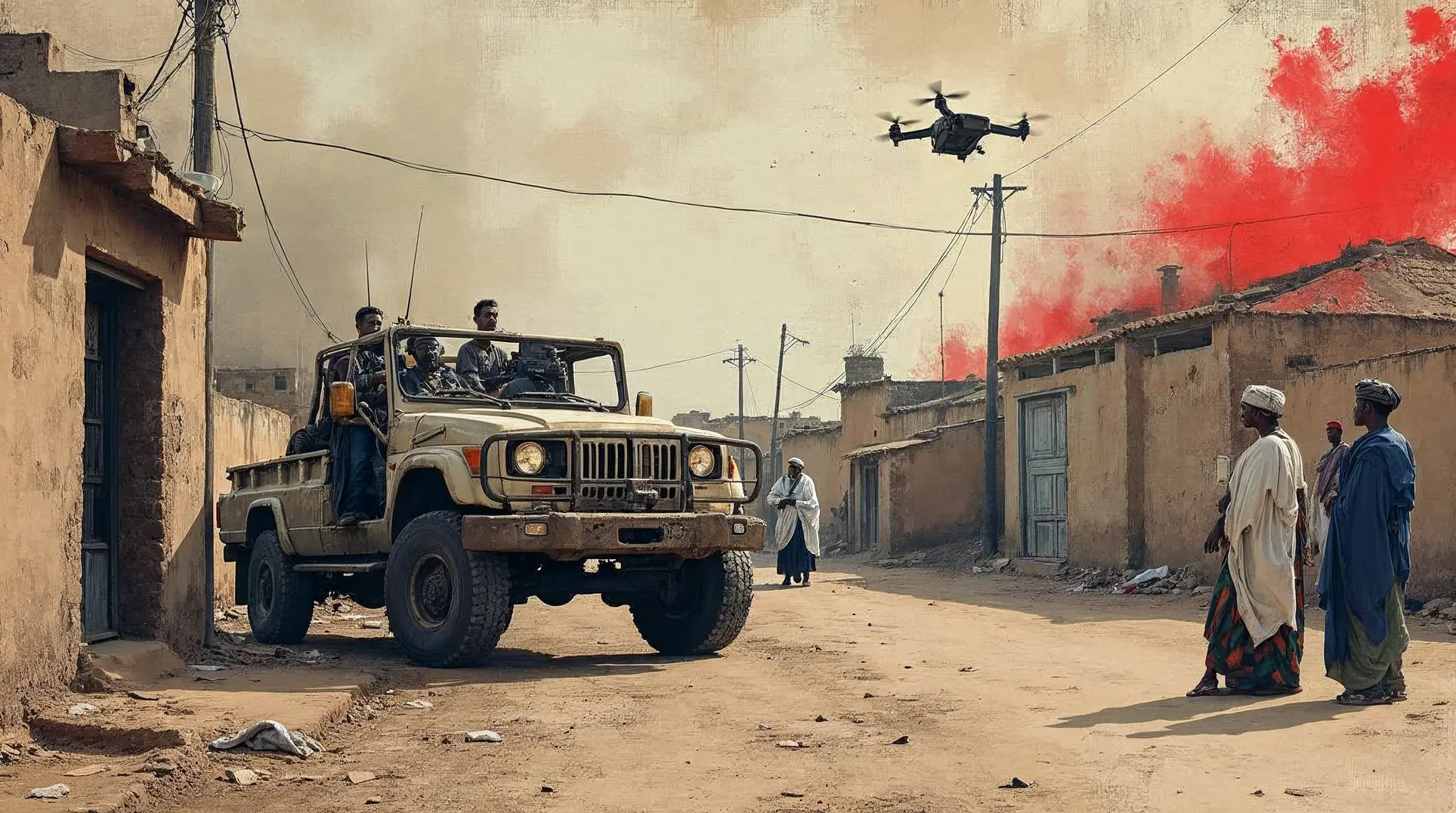
Multiple security sources and municipal officials described the massacre as retaliation. In the preceding week, pro-government forces had swept the area. They were the Malian Armed Forces (FAMa), fighters of the Movement for the Salvation of Azawad (MSA), a predominantly Daoussahak armed group allied with Bamako, and Africa Corps, the Russian Ministry of Defense-controlled successor to the Wagner Group.
A Ménaka municipal official gave an account of that sweep. "The militiamen from MSA who accompanied [Mali's army] and Africa Corps committed abuses against civilians suspected of being informants for the Islamic State... They killed about a dozen people, set fire to houses, and stole other property," the official said.
On Saturday, October 17, the day before the raids, Mali's armed forces said they had struck a target about 65 kilometers southwest of Ménaka. They described it as "a major base housing several terrorist elements and military equipment." Reuters reported that a Malian military spokesperson and Russia's embassy in Bamako did not respond to a request for comment.
Observers are reading: how reliance on community militias and Russian paramilitaries leaves Daoussahak civilians exposed to Islamic State reprisals.
Become an Observer, it's free. Get full access to all Crisis.Zone analysis, briefings and breaking coverage.
Security promised, civilians exposed
The junta expelled French forces and the United Nations mission MINUSMA on the promise that sovereign control, backed by Russian partners, would deliver security. On the evidence from October 18, neither Bamako nor its partners protected the community they had mobilized around Ménaka.
What is known rests on community leaders, municipal officials and security sources. ISSP has not claimed the attack. The army and the Russian embassy had not commented by October 20. The accounts of the earlier sweep come from a local official and have not been answered.
The hundreds who fled now shelter in Ménaka city, where Acharatoumane's home was also targeted. On current evidence, the incentives for further reprisals remain in place. Absent accountability for the sweep that officials describe, or protection for the camps that were struck, the cycle of killing around Ménaka has no visible brake.
Become an Observer (it's free) to unlock direct links to all sources used in this article.
We believe you deserve to verify everything we write. That's why we meticulously document every source.


