



The Islamic State in January 2026 operates as a fundamentally different entity than the pseudo-caliphate that collapsed in the Syrian desert seven years prior. Where coalition forces once tracked convoys and airstrikes could target governance structures, intelligence agencies now confront a decentralized network of provincial affiliates exploiting state fragility across three continents. This structural transformation—from hierarchical proto-state to federated insurgency—represents not defeat but adaptation, with the organization's estimated 15,000 to 25,000 fighters dispersed across more than 12 provinces now posing threats more diverse and geographically diffuse than at the height of the caliphate.
The paradox defining ISIS's current phase is stark: while rump cells in Iraq and Syria face sustained pressure from overlapping counterterrorism operations, affiliates in the Sahel, Central Africa, and South Asia have achieved territorial gains and operational tempo unmatched since 2019. Islamic State Sahel Province controls rural corridors in Mali and Burkina Faso where state authority has evaporated. Islamic State Khorasan Province demonstrated global reach with the March 2024 Moscow attack that killed 145 people. Islamic State Central Africa Province expands through eastern Congo's mineral-rich borderlands as regional forces fracture. This geographic redistribution reflects deliberate strategy rather than opportunism, with the network's center of gravity shifting toward zones where governance voids, resource competition, and ethnic tensions create self-sustaining insurgencies that require minimal central direction.
The caliphate's collapse and the insurgent pivot
The fall of Baghouz in March 2019 marked not an ending but an inflection point. As Syrian Democratic Forces overran the last square kilometers of IS-held territory along the Euphrates, the organization had already dispersed fighters into desert cells and activated sleeper networks across Iraq's rural provinces. The subsequent eight months saw ISIS revert to asymmetric warfare refined during its 2010-2013 insurgent phase—nighttime raids on checkpoints, targeted assassinations of tribal leaders cooperating with Baghdad, and IED networks along supply routes. Coalition intelligence estimates from late 2019 placed core ISIS strength at 14,000 to 18,000 fighters across Iraq and Syria, a figure that would steadily decline but never approach elimination.
The October 2019 death of Abu Bakr al-Baghdadi in a US raid in northwest Syria accelerated the leadership's strategic pivot toward operational security over symbolic visibility. His successor, Abu Ibrahim al-Hashimi al-Qurayshi, remained largely invisible until his own death in February 2022 during another US operation. The current caliph, Abu Hafs al-Hashimi al-Qurayshi, announced in August 2023, exists as a cipher—no verified photographs, minimal audio releases, and leadership exercised through encrypted communiqués to provincial emirs. This "caliph of the shadows" model reflects hard lessons: high-profile leadership invites decapitation strikes, while anonymity enables continuity.
The period from 2019 to 2021 also witnessed the deliberate empowerment of provincial affiliates through the "provinces" (wilayat) framework. Rather than micromanaging operations from a Syrian headquarters that no longer existed, central leadership granted increased autonomy to established affiliates while demanding only ideological alignment and periodic bay'ah (pledges of allegiance). This federal structure allowed Islamic State Khorasan Province in Afghanistan, Islamic State West Africa Province in the Lake Chad Basin, and newer franchises in Mozambique and the Democratic Republic of Congo to adapt tactics to local contexts while accessing the ISIS brand's recruitment magnetism.

Members are reading: How ISIS rebuilt its financial foundation through extortion, crypto-wallets, and resource smuggling, creating revenue streams more resilient than the caliphate's oil economy.
Leadership evolution and the invisible caliphate
The organization's command structure reveals deliberate prioritization of survival over spectacle. Where al-Baghdadi delivered public sermons and appeared in propaganda videos, current leadership communicates through encrypted Telegram channels and audio messages authenticated by provincial emirs rather than visible proof. Abu Hafs al-Hashimi al-Qurayshi, named caliph in August 2023 following his predecessor's death, remains entirely faceless—no images, no biographical details beyond claims of Qurayshi tribal descent, and minimal direct messaging.
This invisibility extends throughout the hierarchy. Provincial emirs issue tactical guidance but rarely appear in media. The decentralization means coalition strikes eliminating senior figures cause less organizational disruption. When IS-Khorasan's top commander was killed in a Taliban operation in June 2025, operations continued without apparent interruption, suggesting deputy structures and autonomous cells reduce dependence on individual leaders. The model sacrifices the propaganda value of charismatic leadership for operational resilience.
The propaganda apparatus adapted accordingly. Where the caliphate produced slick videos showcasing governance and military victories, current output emphasizes persistence and distributed resistance. Al-Naba newsletter—the organization's primary publication—shifted from triumphalism to framing territorial loss as strategic withdrawal and highlighting affiliate successes in Africa. Turkish mass arrests expose persistent ISIS infiltration challenge demonstrates the network's continued presence even in NATO territory. Telegram channels proliferated after losing Twitter presence, with dozens of channels in Arabic, English, French, and Swahili distributing content ranging from theological justifications to tactical manuals.
Provincial expansion: Africa as the new caliphate heartland
The most significant strategic development from 2019 to 2026 has been the transformation of African affiliates from peripheral franchises to the organization's operational core. Three provinces in particular demonstrate the shift: Islamic State West Africa Province in the Lake Chad Basin, Islamic State Sahel Province in Mali and Burkina Faso, and Islamic State Central Africa Province in the Democratic Republic of Congo and Mozambique.
ISWAP split from Boko Haram in 2016 and by 2021 controlled islands and shoreline territory around Lake Chad, governing approximately 100,000 people in parts of northeast Nigeria and the Niger-Chad border region. The group provides basic services, adjudicates disputes through sharia courts, and maintains agriculture and fishing economies. Military pressure from Nigerian forces and regional coalition operations constrained ISWAP's territorial control through 2024-2025, but the group maintains resilient cells and continues attacks on military installations.
IS-Sahel experienced exponential growth following the French withdrawal from Mali in 2022 and the subsequent coups that brought military juntas to power in Mali and Burkina Faso. The collapse of international counterterrorism partnerships created precisely the governance void the affiliate exploited. By early 2026, IS-Sahel controls rural corridors in Mali's Menaka and Gao regions and northern Burkina Faso's Oudalan and Soum provinces. The group governs through a lighter-touch model than the Syrian caliphate—extracting taxes and enforcing basic sharia prohibitions but allowing most local customs to continue—which reduces popular resistance while maintaining control.
The tri-border area where Mali, Burkina Faso, and Niger meet has become IS-Sahel's strategic stronghold. Islamic State affiliate kills 15 in eastern Congo as security vacuum widens illustrates similar dynamics in Central Africa, where state weakness enables ISIS expansion. The affiliate's September 2025 attack killing over 70 Malian soldiers near Tessit marked one of the deadliest single operations against state forces since 2019, demonstrating capacity for complex assaults.
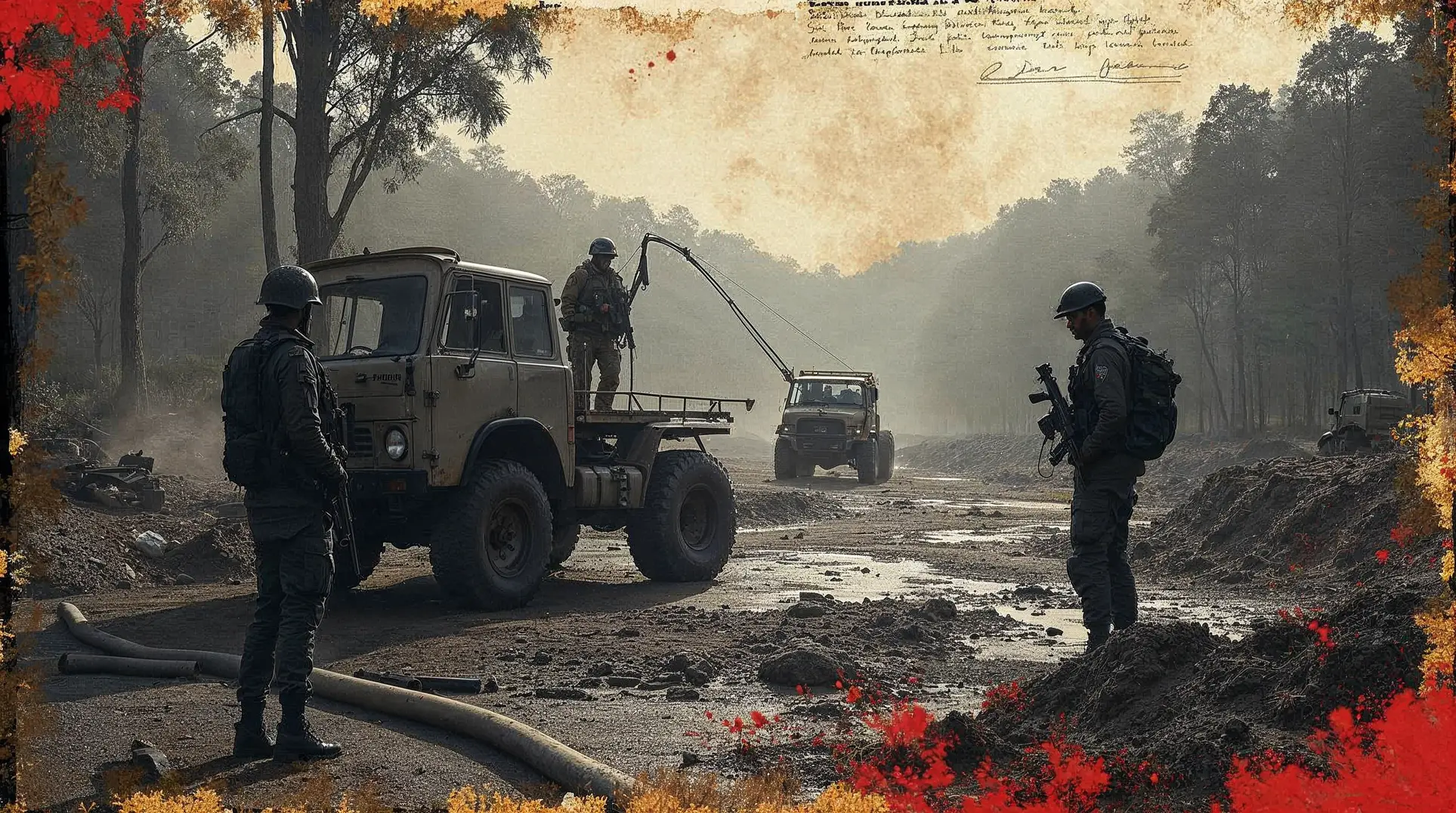
Members are reading: Inside ISCAP's resource insurgency in Congo and Mozambique, where ISIS controls mines and territory in the war international media ignores.
Khorasan Province and the global terrorism revival
Islamic State Khorasan Province emerged as the most internationally threatening affiliate through demonstrated capacity for both regional destabilization and external operations. Based primarily in Afghanistan's Nangarhar and Kunar provinces along the Pakistan border, ISKP has maintained approximately 4,000 to 6,000 fighters despite sustained Taliban counterterrorism operations and occasional US strikes.
The group's relationship with the Taliban defines its strategic environment. ISKP views the Taliban's negotiations with the United States and governance compromises as apostasy, positioning itself as the true jihadi vanguard. This ideological competition drives ISKP attacks on Taliban targets—including the devastating August 2021 Kabul airport bombing that killed 183 people, among them 13 US service members—and sectarian violence against Afghanistan's Shia Hazara minority. The Taliban's 2021 takeover paradoxically both constrained and motivated ISKP: constrained by losing sanctuary in ungoverned spaces as Taliban authority expanded, but motivated by the narrative opportunity to challenge Taliban legitimacy.
ISKP's March 2024 attack on Moscow's Crocus City Hall, killing 145 concertgoers, marked a inflection point. The operation demonstrated reach beyond South Asia, sophisticated planning, and willingness to strike major powers. Russian authorities confirmed the perpetrators' ISKP affiliation despite initial speculation about Ukrainian involvement. The attack's strategic logic was multifaceted: revenge for Russian operations in Syria, demonstration of capability to inspire global sympathizers, and propaganda value in striking a perceived enemy of Islam.
The affiliate's media operations are the most sophisticated in the current ISIS network. ISKP produces content in Pashto, Dari, Urdu, Russian, and English through its Al-Azaim Media Foundation, distributing via Telegram channels with tens of thousands of subscribers. The content ranges from theological arguments against the Taliban's governance to tactical guidance and celebration of attacks. This propaganda reach enables recruitment beyond Afghanistan—ISKP draws fighters from Central Asian republics, Pakistan, and the Caucasus, creating a multinational force.
Syria and Iraq: the persistent rump insurgency
The organization's original heartland remains contested terrain where ISIS operates as a persistent insurgency rather than territorial force. Current intelligence estimates place ISIS strength in Iraq at 5,000 to 7,000 fighters and Syria at 3,000 to 5,000, concentrated in rural areas where state presence is limited or contested by multiple actors.
In Iraq, ISIS cells operate primarily in the disputed territories between Iraqi Kurdistan and federal government control—Diyala, Kirkuk, Salahuddin, and Anbar provinces. These areas feature mixed Sunni-Shia populations, historical Sunni grievances against Shia-dominated governance, and security gaps where neither Iraqi Security Forces nor Peshmerga maintain consistent presence. ISIS exploits these seams, conducting assassinations, extortion, and IED attacks that maintain pressure without seeking territorial control.
The Syrian theater is more complex due to overlapping zones of control. U.S. launches mass strikes in Syria after deadly Palmyra ambush illustrates the ongoing threat ISIS poses even in areas nominally controlled by the Assad regime and Russian forces. ISIS cells in the Syrian desert (Badiya) between Palmyra and Deir ez-Zor conduct hit-and-run attacks on regime forces, oil infrastructure, and truffle hunters. The US military presence in eastern Syria, supporting Syrian Democratic Forces, maintains pressure on ISIS networks but operates under political constraints that limit operations.
The insurgency's persistence reflects structural factors rather than merely residual fighter presence. Sunni communities in Iraq's Anbar and Salahuddin provinces continue to experience marginalization from Shia-led governance in Baghdad, creating the same sectarian grievances ISIS exploited during its 2013-2014 expansion. Syrian regime control in eastern provinces remains nominal, with local governance often managed by militias and tribes with competing interests. These conditions sustain the operating environment for ISIS cells even as their numbers decline.
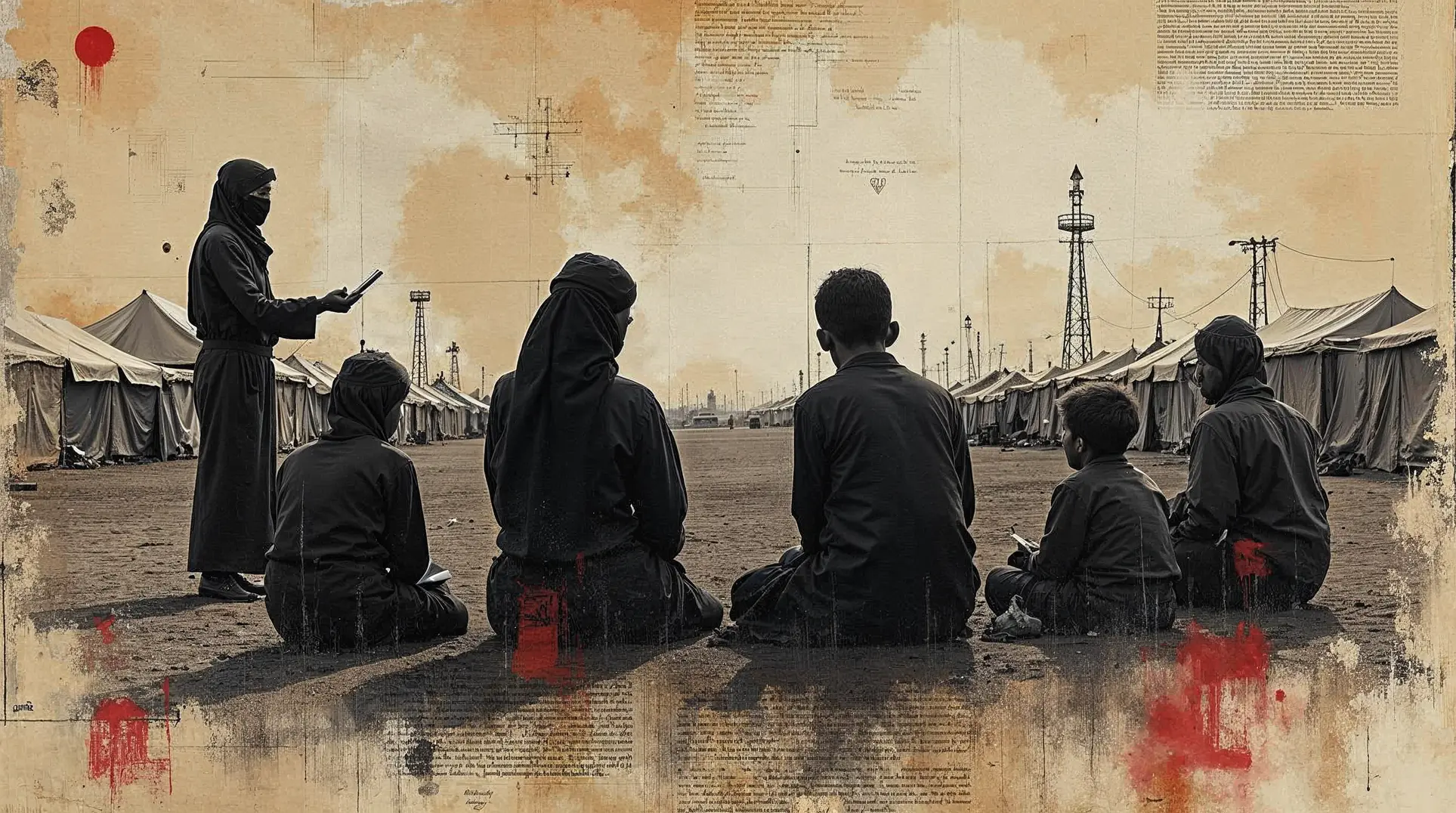
Members are reading: How ISIS mobilizes women as operatives and indoctrinates a new generation of fighters in camps and conflict zones, building its future force.
Digital jihad and the propaganda resurrection
The loss of physical territory coincided with ISIS's expansion into more sophisticated digital operations. While the caliphate's media wing produced high-quality videos showcasing governance and military victories, the post-2019 period saw tactical adaptation to platform restrictions, algorithmic suppression, and deplatforming campaigns.
Telegram emerged as the primary distribution channel, with ISIS-linked channels proliferating despite periodic shutdowns. The platform's encryption, minimal content moderation, and ease of creating replacement channels makes it ideal for clandestine networks. By late 2025, researchers tracked over 400 active Telegram channels distributing ISIS content in multiple languages. These channels serve varied functions: some disseminate Al-Naba newsletter and official media, others share tactical guides and ideological materials, and still others function as recruitment portals connecting sympathizers with handlers.
TikTok became an unexpected frontier. ISIS sympathizers exploit the platform's algorithm by posting content with jihadi undertones disguised through coded language, imagery that evokes caliphate themes without explicit violence, and hashtags that attract vulnerable youth. A September 2025 report by the Tech Transparency Project identified over 150 accounts posting ISIS-affiliated content that collectively garnered 3.4 million views before removal. The accounts used music, aesthetics, and messaging designed to appeal to teenagers and young adults, then directed interested viewers to Telegram for "more information."
The propaganda content itself evolved strategically. Rather than triumphalist battlefield footage that highlights current weakness, ISIS media emphasizes patience, persistence, and the narrative of a long struggle. Al-Naba regularly publishes infographics showing attack statistics across provinces, framing the organization as a global force despite territorial loss. Nasheed (jihadi chants) videos feature slick production and distribution on platforms from SoundCloud to Spotify before detection and removal.
Members are reading: Three scenarios for ISIS from 2026 to 2030, from Sahel caliphate revival to networked global terrorism to organizational fragmentation.
Monitoring the evolution: strategic indicators and policy implications
Intelligence analysts and policymakers tracking ISIS's trajectory should prioritize several key indicators that signal which future scenario is materializing. Affiliate merger or fragmentation patterns reveal organizational cohesion—increased bay'ah pledges and coordination suggest centralized strength, while rebranding or splits indicate decline. Cryptocurrency wallet activity and transaction patterns provide financial health metrics that predict operational capacity before attacks occur. Demographic analysis of detainee camps, particularly radicalization indicators among youth populations, forecasts medium-term recruitment pipelines.
Governance indicators in affiliate-controlled territories matter critically. If IS-Sahel or ISCAP establish courts, schools, and economic regulation that populations accept or prefer to absent state authority, consolidation accelerates. Conversely, civilian resistance, flight from controlled areas, or collaboration with counterterrorism forces signals governance failure. The rhetorical focus of official ISIS media—whether emphasizing territorial control, external operations, or mere persistence—reveals strategic priorities and confidence levels.
The current response architecture remains inadequate to the challenge. Western counterterrorism has largely reverted to over-the-horizon models prioritizing domestic security over addressing root causes in conflict zones. Regional states lack capacity and in some cases political will to conduct comprehensive counterinsurgency. International organizations face access constraints in conflict zones and political obstacles to addressing detention camp populations. This gap between threat evolution and response capacity creates permissive environment for ISIS adaptation.
The long war's next phase
The Islamic State's transformation from proto-state to networked insurgency represents strategic adaptation rather than defeat. The organization that governed eight million people from Raqqa and Mosul now operates through autonomous provinces exploiting governance voids across continents, employs diversified financing resistant to interdiction, and mobilizes populations—including women and children—previously considered non-combatants. This structural evolution positions ISIS for sustained relevance regardless of continued pressure in its Iraqi-Syrian heartland.
The geopolitical trends shaping the next four years favor insurgent resilience over state capacity. Climate stress intensifies resource competition and displacement in the Sahel and Central Africa. Great power competition diverts Western attention and resources from counterterrorism. Regional states face governance challenges that predate and exceed the ISIS threat. These conditions create the fragility that ISIS affiliates have demonstrated unique capacity to exploit.
The paradox confronting counterterrorism strategists is that ISIS's current weakness in visibility and territorial control masks structural advantages in adaptability and decentralization. The organization that international coalitions "defeated" in 2019 has metastasized into a harder-to-target, geographically dispersed network that may pose more enduring threat than the caliphate it replaced. Whether this evolution leads to Sahel consolidation, global terror campaign, or gradual fragmentation will depend on variables largely external to ISIS itself—the governance trajectories of fragile states, the sustained commitment of counterterrorism resources, and the willingness to address the underlying conditions that make populations vulnerable to extremist mobilization. Current policy trajectories suggest those variables favor persistence rather than elimination.
Subscribe to our free newsletter to unlock direct links to all sources used in this article.
We believe you deserve to verify everything we write. That's why we meticulously document every source.


