


Iran's Assembly of Experts announced March 7, 2026 its intention to convene "within a day" to select a successor to Ayatollah Ali Khamenei, with reports indicating a "majority consensus" has been reached though no name has been released. The announcement comes as Israeli Defense Minister Israel Katz explicitly warned that any figure chosen as Iran's next Supreme Leader will be a "target for elimination" and Israel will pursue all individuals involved in the selection process.
The succession crisis unfolds under unprecedented external pressure following Khamenei's death in US-Israeli strikes on February 28, 2026. Israeli strikes on March 3 reportedly "flattened" the Assembly's compound in Qom and damaged its Tehran building, forcing the 88-member body to conduct virtual sessions for the selection process. US President Donald Trump has also asserted a right to be "involved in the appointment" of Iran's next leader, claiming joint strikes have already eliminated many potential candidates.
Latest situation update
Mojtaba Khamenei, son of the late Supreme Leader, is widely considered a leading contender, reportedly backed by the Islamic Revolutionary Guard Corps. However, significant internal divisions within the Assembly exist, particularly regarding hereditary succession and IRGC influence. An Interim Leadership Council currently manages state duties, including military affairs, in the absence of a permanent Supreme Leader.
The Assembly's decision timeline reflects extraordinary duress. Israeli strikes targeted clerical leadership during the succession process itself, an intervention without precedent in modern regional conflicts. Trump's claim to a role in selecting Iran's leader represents a direct challenge to Iranian sovereignty that eliminates conventional diplomatic space for internal resolution.
Internal factionalism compounds external pressure. Iran's diplomatic messaging has contradicted military posture throughout the conflict, exposing fractures between President Masoud Pezeshkian's government and the IRGC. These divisions now intersect with a constitutional succession process designed for stability, not active combat conditions.
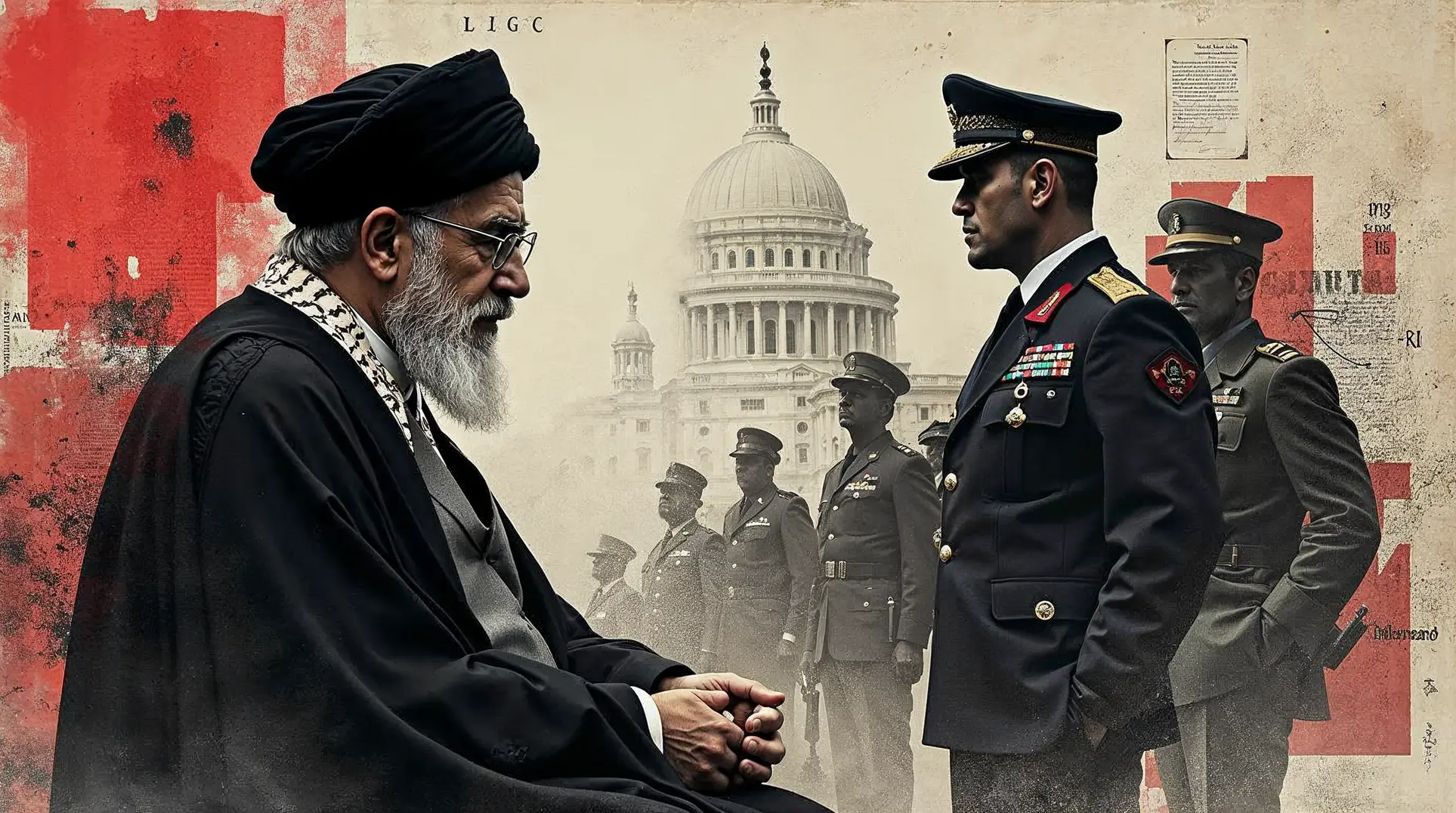
Members are reading: How the legitimacy crisis could fracture Iran's command structure at the moment unified authority is most critical
Immediate implications
The Assembly's announcement indicates Iran's leadership has concluded that extended vacancy poses greater risk than selection under threat. The reference to "majority consensus" suggests attempts to build broader legitimacy beyond factional preference, though whether consensus extends to Mojtaba Khamenei or represents compromise on an alternative candidate remains unclear. The next 24-48 hours will determine whether Iran can execute a constitutional transition during active hostilities, or whether external pressure and internal division prevent the coherent succession the Islamic Republic's system was designed to ensure.
Subscribe to our free newsletter to unlock direct links to all sources used in this article.
We believe you deserve to verify everything we write. That's why we meticulously document every source.


