


Spain and Italy clash over Schengen while ground reports contradict the government's own numbers
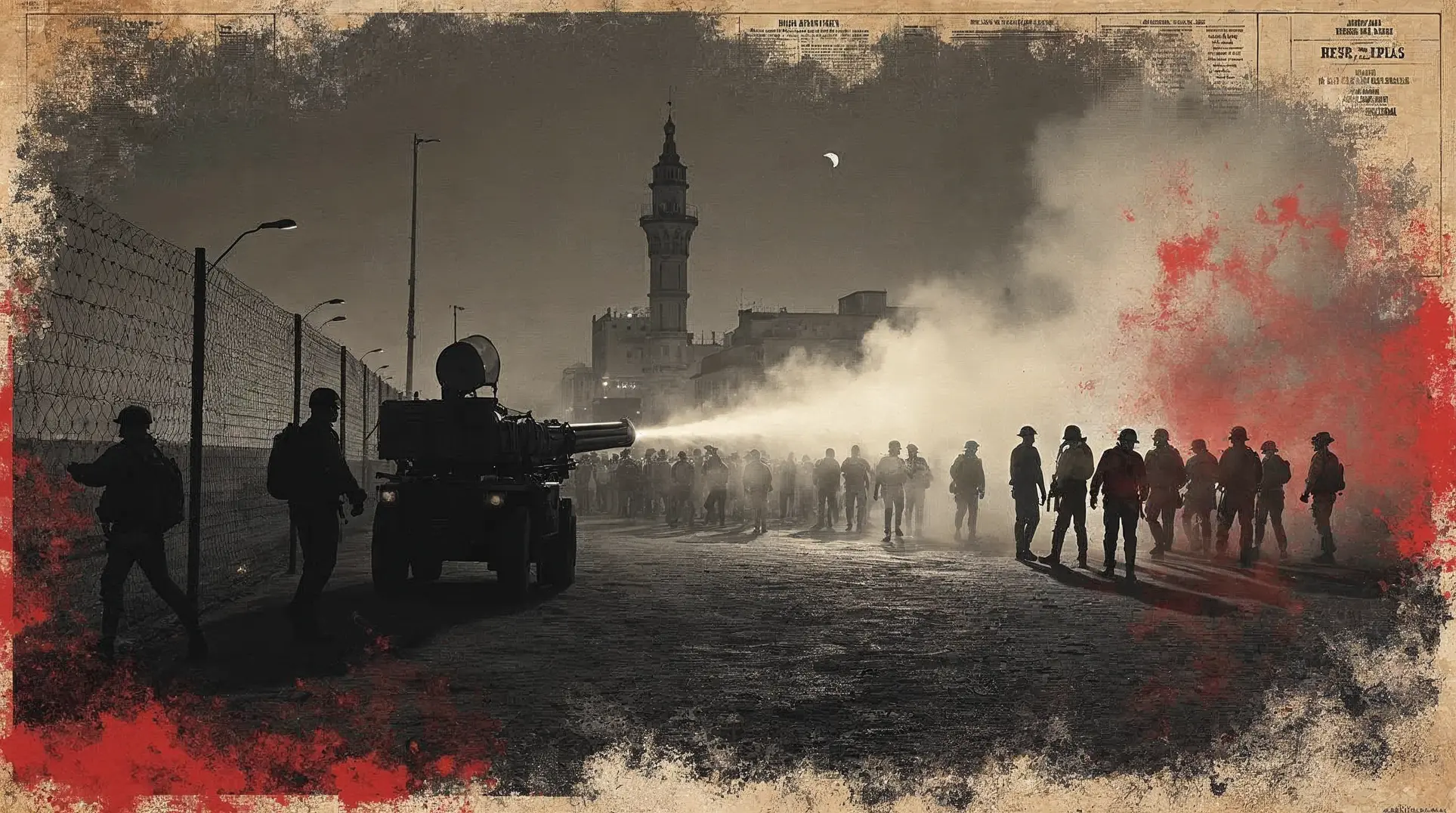
Spain's Interior Ministry said Friday that approximately 49,000 migrants crossed from Morocco into the Spanish enclave of Ceuta over the preceding 24 hours, a figure that would represent the largest single-day irregular crossing recorded on EU territory. At least nine deaths have been confirmed by a government delegation on the ground, with other outlets citing 15 to 18 people drowned attempting the roughly five-kilometre swim from the Moroccan town of Fnideq.
The number itself is the first fault line in this story. State broadcaster TVE put Thursday's crossings at 2,000 to 3,000; the Guardia Civil offered no figure beyond "thousands." Ceuta's regional government had cited just 1,500 to 2,000 arrivals over the preceding ten days. The Interior Ministry says it will not confirm figures until its next migration report, due August 3. Whether 49,000 reflects a genuine overnight surge, cumulative counting, or something else entirely remains unresolved.
Border described as collapsed
On the ground, the language is stark. Rachid Sbihi, head of a Guardia Civil association, described "absolute chaos" and said the border had "totally collapsed." A Moroccan human rights activist, Achraf Maimouni, said the Tarajal crossing was opened "under unusual circumstances" Thursday morning. A Guardia Civil spokesperson told Reuters the flow had been "a slow trickle since the Supreme Court's ruling, but today has been an explosion" — a reference to an early-July ruling barring summary returns of migrants intercepted at sea near Ceuta and Melilla.
Madrid has deployed 60 additional armed forces personnel and 30 Guardia Civil officers, along with naval and diving units, but has ruled out declaring a national emergency, rejecting a demand from Ceuta President Juan Jesús Vivas, who called the situation "a total humanitarian and social emergency." Spain and Morocco agreed Wednesday to accelerate returns, though the mechanics of processing tens of thousands of claims remain untested.
Observers are reading: why Italy's Schengen threat exposes a deeper fracture than the Ceuta numbers themselves.
Become an Observer — it's free. Get full access to all Crisis.Zone analysis, briefings and breaking coverage.
The crisis has already reopened Europe's oldest fault line. Italian Foreign Minister Antonio Tajani called for Schengen to be closed to Spain, and PM Giorgia Meloni said Rome was "prepared to intervene with extraordinary measures... including the suspension of the Schengen Area with Spain." Spain's José Manuel Albares summoned Italy's ambassador in response, calling Tajani's remarks "unbecoming." The European Commission has offered Frontex support but issued no rebuke to Rome.
Whatever the true count in Ceuta, the political question outlasts it: whether tens of thousands of arrivals can be returned under the new accord, and what happens to EU border cohesion if they cannot.
Become an Observer — it's free — to unlock direct links to all sources used in this article.
We believe you deserve to verify everything we write. That's why we meticulously document every source.


