


Two merchant vessels recovered two bodies and rescued 32 survivors from an overturned migrant boat off the Italian coast on April 5, according to rescue organizations operating in the Central Mediterranean. The 32 survivors, all men from Pakistan, Bangladesh, and Egypt, report that 71 others were lost at sea when the vessel capsized over Easter weekend.
The rescue charities Mediterranea Saving Humans and Sea-Watch provided the casualty figures based on survivor accounts, stating the boat departed Libya carrying approximately 105 people. As of 20:00 UTC on April 5, Italian Coast Guard authorities have not confirmed the reported deaths or provided details of search and rescue operations. Italy's interior ministry has declined to comment on the incident. Video released by Sea-Watch shows approximately a dozen people clinging to the hull of the capsized vessel before rescue.
Latest situation update
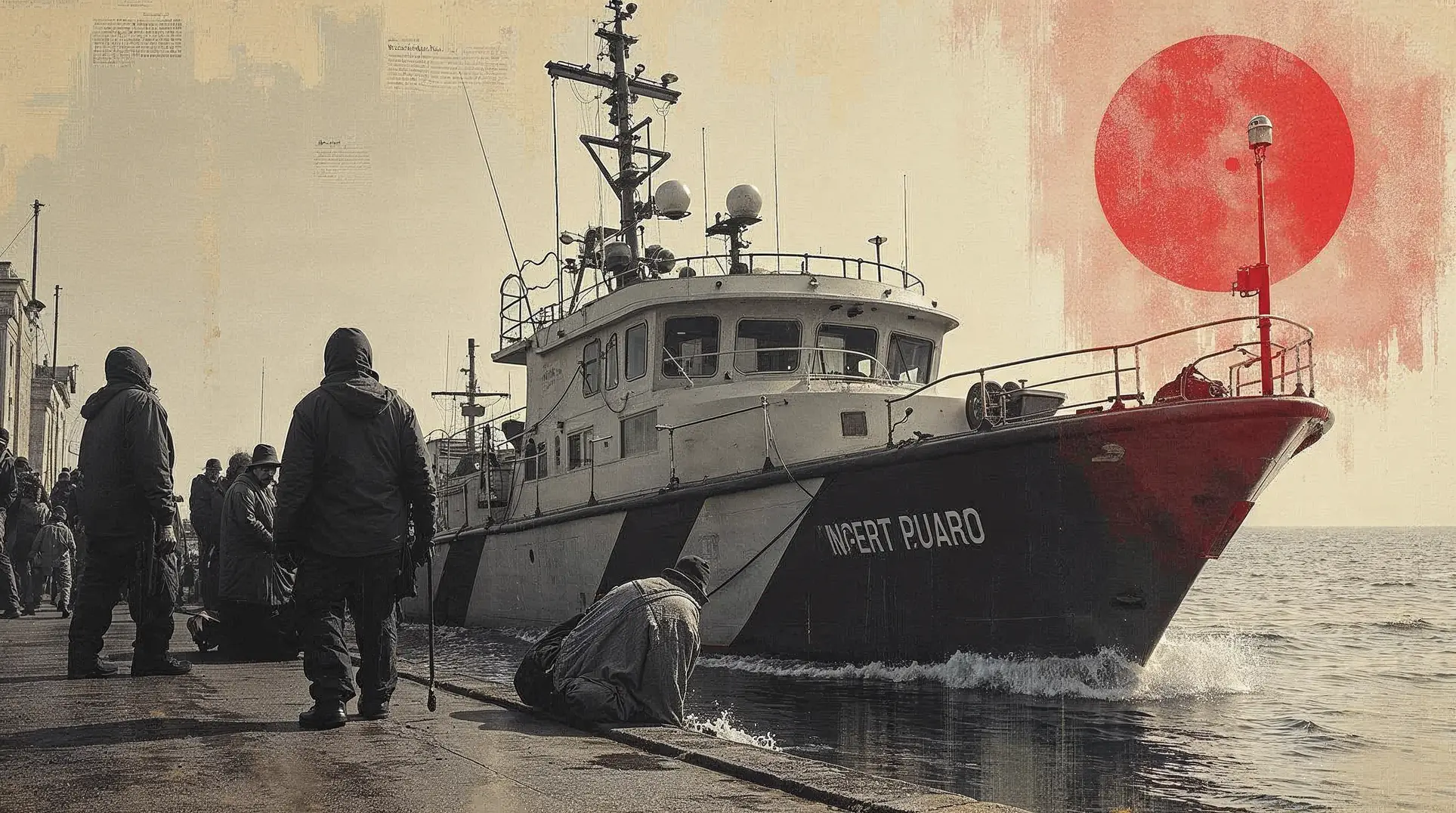
The rescued individuals were transferred to an Italian Coast Guard patrol boat and brought to the island of Lampedusa. UNHCR spokesman Filippo Ungaro stated the migrants attempted the dangerous crossing in a "very unsuitable" light boat. Survivors reported encountering rough weather conditions and high waves during the journey from Libya.
The incident occurred in the same maritime zone that has produced mounting casualties throughout 2026. Last week, authorities recovered 19 bodies and rescued 58 people from another boat near Lampedusa. In February, a separate incident left 53 migrants missing after their vessel sank in the same waters. Fourteen migrants dead after boat collides with Greek coast guard vessel underscores the broader pattern of fatalities across Mediterranean migration routes.
Members are reading: How the absence of official confirmation shields governments from accountability for Central Mediterranean deaths.
Humanitarian organizations attribute deaths to policy failure
Rescue charities operating in the Central Mediterranean attribute such tragedies directly to "policies pursued by European governments, which refuse to open legal and safe entry routes," according to statements from Mediterranea Saving Humans. The organization argues that the lack of legal pathways forces migrants to attempt dangerous crossings in unseaworthy vessels operated by smuggling networks.
The Central Mediterranean route from North Africa to Italy remains one of the world's deadliest migration corridors. Lampedusa, located closer to Tunisia than to mainland Italy, serves as a primary landing point for those attempting the crossing. The combination of overcrowded, inadequate vessels and unpredictable sea conditions continues to produce fatal outcomes, with rescue capacity increasingly concentrated in NGO operations rather than state-led search and rescue missions.
Subscribe to our free newsletter to unlock direct links to all sources used in this article.
We believe you deserve to verify everything we write. That's why we meticulously document every source.


