


Rwanda-backed M23 rebels advanced on Uvira, the strategic lakeside town in eastern Democratic Republic of Congo, on December 9–10, 2025, with a rebel spokesperson claiming the city had been "liberated" even as Congolese and Burundian officials disputed full control. The push came less than a week after Kinshasa and Kigali signed a U.S.-mediated accord in Washington that bound Rwanda to halt support for armed groups. Four sources including residents confirmed M23 elements entered the town; gunfire echoed through neighborhoods as approximately 200,000 people fled toward Burundi, according to UN and media accounts. At least 70 people were killed in recent clashes along the approach routes.
Uvira's significance extends far beyond its position on the shores of Lake Tanganyika. Since M23 seized Bukavu—South Kivu's provincial capital—in February, Uvira has served as the headquarters of the Kinshasa-appointed government in the province and functioned as the region's primary military base. Its contested fall would represent both a symbolic blow to Kinshasa's authority and an operational gateway: M23 could consolidate control over cross-border trade corridors, tighten its grip on lake logistics, and open potential avenues southward toward Baraka and Kalemie or westward into the mineral-rich highlands. More immediately, fighting at Uvira's doorstep places Burundi on edge, with projectiles already reported across the border in Rugombo and more than 30,000 Congolese arriving in Burundian territory in recent days.
A ceremony without enforceable peace
The timing lays bare the gap between diplomatic architecture and battlefield reality. The December Washington accord, celebrated by the UN Secretary-General, obliges Rwanda to cease support for armed groups and envisions security cooperation and mineral sector engagement between Kigali and Kinshasa. Yet it did not include M23 at the signing ceremony, leaving the insurgency itself outside the formal framework. In parallel, Doha-hosted talks produced a DRC–M23 ceasefire agreement and monitoring mechanisms earlier this year (DRC and M23 sign Doha framework agreement), but fighting has persisted despite those instruments. The dual-track approach—state-to-state in Washington, insurgent-inclusive in Doha—remains chronically out of sync with the military balance, as evidenced by continued skepticism about ceasefire prospects.
M23 appears calibrated to consolidate leverage on the ground while affirming nominal support for dialogue. Rebel leader Bertrand Bisimwa has reiterated backing for the Doha process even as his forces advanced through Luvungi, Bwegera, Luberizi, Sange, and Kiliba along the RN5 corridor. Lawrence Kanyuka, an M23-aligned spokesperson, framed the Uvira push as liberation; Corneille Nangaa of the Allied Democratic Forces for the Congolese (AFC) umbrella claimed the offensive responded to attacks by FARDC and allied Wazalendo militias. Rwanda continues to deny backing M23, citing defensive measures for its troop presence in eastern Congo, though the United States and UN maintain that evidence of Rwandan support is clear. Washington urged Kigali to prevent escalation; the International Contact Group issued a statement of "profound concern."
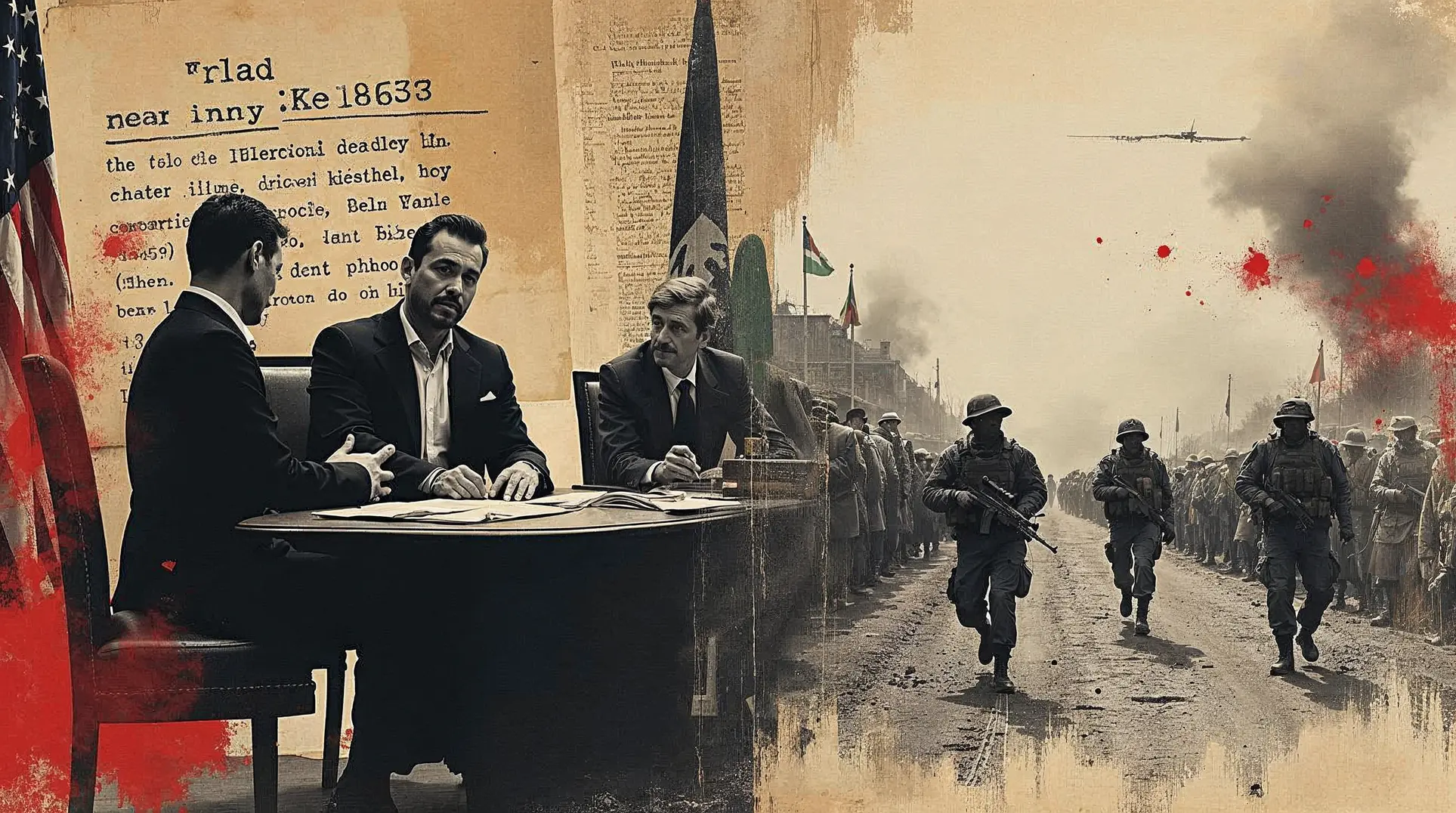
Members are reading: How M23's Uvira push exposes the perverse incentive structure of dual-track diplomacy without enforcement, and why the humanitarian toll will keep rising.
What the next phase will test
Verification remains the immediate question: independent confirmation of who controls Uvira's urban center, whether FARDC regroups south and east or cedes ground to limit civilian harm, and how Burundi repositions its forces. Humanitarian access along the RN5 and into displacement sites around Lake Tanganyika will determine whether agencies can prevent disease outbreaks and provide relief. On the diplomatic front, whether Washington connects its December accord to accountability measures—sanctions, aid conditionality, public verification notes from Doha monitors—will signal whether this latest framework is any different from its predecessors.
Ceremony versus ceasefire has become the defining dynamic of this phase. Until the costs of violating agreements exceed the gains of advancing militarily, diplomatic multiplication will continue to generate documents rather than deterrence. Uvira's fate will test whether regional and international actors are willing to move from signing ceremonies to enforcement—or whether the artillery will set the agenda while the frameworks pile up in Doha and Washington.
Subscribe to our free newsletter to unlock direct links to all sources used in this article.
We believe you deserve to verify everything we write. That's why we meticulously document every source.


