


The Democratic Republic of Congo and the M23 rebel group signed a framework peace agreement in Doha on November 15, 2025, marking what mediators hailed as a breakthrough in a conflict that has killed thousands and displaced hundreds of thousands this year alone. Yet the ceremony in Qatar's capital, attended by representatives from both sides alongside US and Qatari officials, cannot obscure a fundamental reality: this "historic" accord postpones rather than resolves the war's most contentious questions.
The agreement establishes eight protocols governing future negotiations as part of a broader framework for peace talks. These protocols remain under development and negotiation, with the final peace agreement not yet reached. Core issues—disarmament timelines, foreign force withdrawal, justice for atrocities, and territorial control—are deferred to negotiations that may never produce consensus. This structure repeats patterns familiar across Africa's peace processes: diplomatic theater that secures international praise while leaving violence's root causes unaddressed.
The gap between Doha and eastern Congo
The disconnect between diplomatic achievements and ground realities defines this moment. Even as delegates signed documents in Doha's air-conditioned conference rooms, clashes continued in North Kivu. The July 2025 ceasefire, repeatedly cited as evidence of progress, has been violated by both sides dozens of times. M23's capture of Goma and Bukavu earlier this year fundamentally altered the military balance, giving rebels control of eastern DRC's strategic cities and the leverage to demand political concessions Kinshasa cannot accept without appearing to reward armed rebellion.
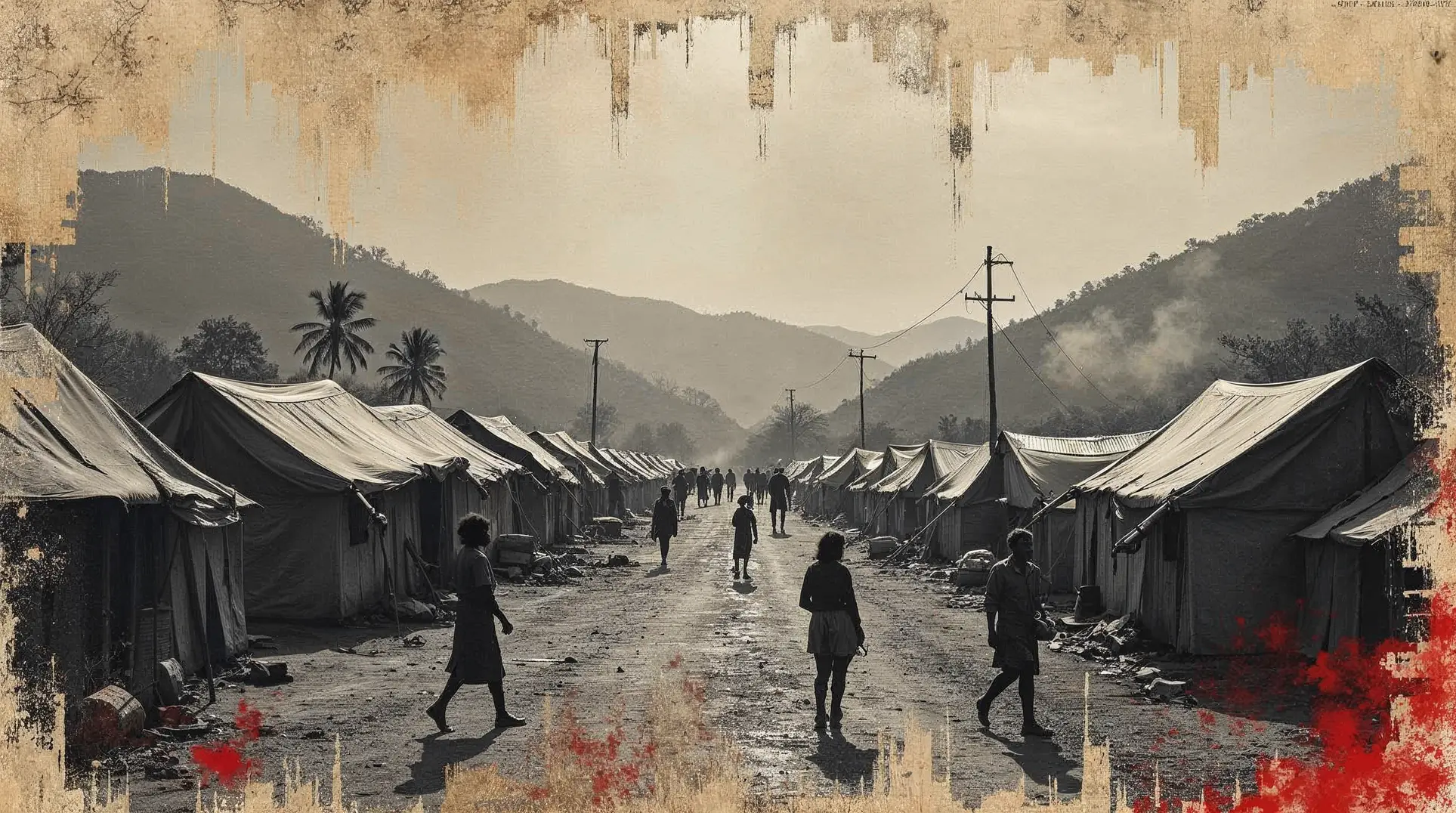
The humanitarian crisis renders diplomatic timelines almost obscene. Over 7 million people have been displaced across eastern DRC, with millions facing acute food insecurity as armed groups—M23, FDLR, Wazalendo militias, and countless others—compete for territorial control and mineral wealth. Each month of negotiation means another month of suffering for populations trapped between competing forces, their survival dependent on outcomes shaped by actors who rarely prioritize civilian protection.
Members are reading: Why framework agreements systematically avoid the structural drivers—mineral wealth, regional proxy dynamics, justice questions—that perpetuate Congo's conflict despite diplomatic progress.
What matters for eastern Congo's future
The Doha framework will be judged not by signatures but by implementation. Can monitoring mechanisms verify compliance when previous ceasefires collapsed within weeks? Will the protocols address disarmament, withdrawal, and justice, or will negotiations stall over insurmountable differences? Most critically, will the agreement change calculations for actors whose interests lie in conflict continuation rather than resolution?
For eastern Congo's displaced populations, the answers to these questions determine whether they can return home or remain indefinitely in camps. The gap between diplomatic frameworks and ground realities has defined this conflict for decades. Until peace processes confront the political economy of violence, address accountability for atrocities, and resolve the regional proxy dynamics that fuel fighting, agreements like Doha will remain pauses rather than conclusions to Congo's long war.
Subscribe to our free newsletter to unlock direct links to all sources used in this article.
We believe you deserve to verify everything we write. That's why we meticulously document every source.


