


US forces intercepted multiple Iranian one-way attack drones targeting commercial shipping near the Strait of Hormuz on Friday, according to US Central Command. All drones were successfully downed before reaching their intended targets, maintaining open passage through the strategic waterway. CENTCOM confirmed the drones were launched with the intent to strike commercial vessels transiting international waters.
The interceptions mark at least the second consecutive night of such operations, demonstrating continued military activity despite ongoing Pakistan-brokered peace negotiations between Washington and Tehran. The incident underscores the fragile nature of diplomatic progress, as both governments have publicly acknowledged advances toward a comprehensive settlement following recent talks in Islamabad.
Latest operational details
CENTCOM's statement specified that all intercepted drones were one-way attack systems assessed to pose a direct threat to commercial maritime traffic. US naval and air assets operating in the region engaged the drones using standard defensive protocols, ensuring the Strait of Hormuz remained fully accessible to international shipping. No US personnel or commercial vessels sustained damage during the interceptions.
The timing of the launches coincides with a period when Washington and Tehran have both indicated movement toward finalizing terms of a broader agreement. However, the persistence of drone operations suggests either incomplete control over operational forces or calculated testing of US defensive posture during the sensitive diplomatic phase.
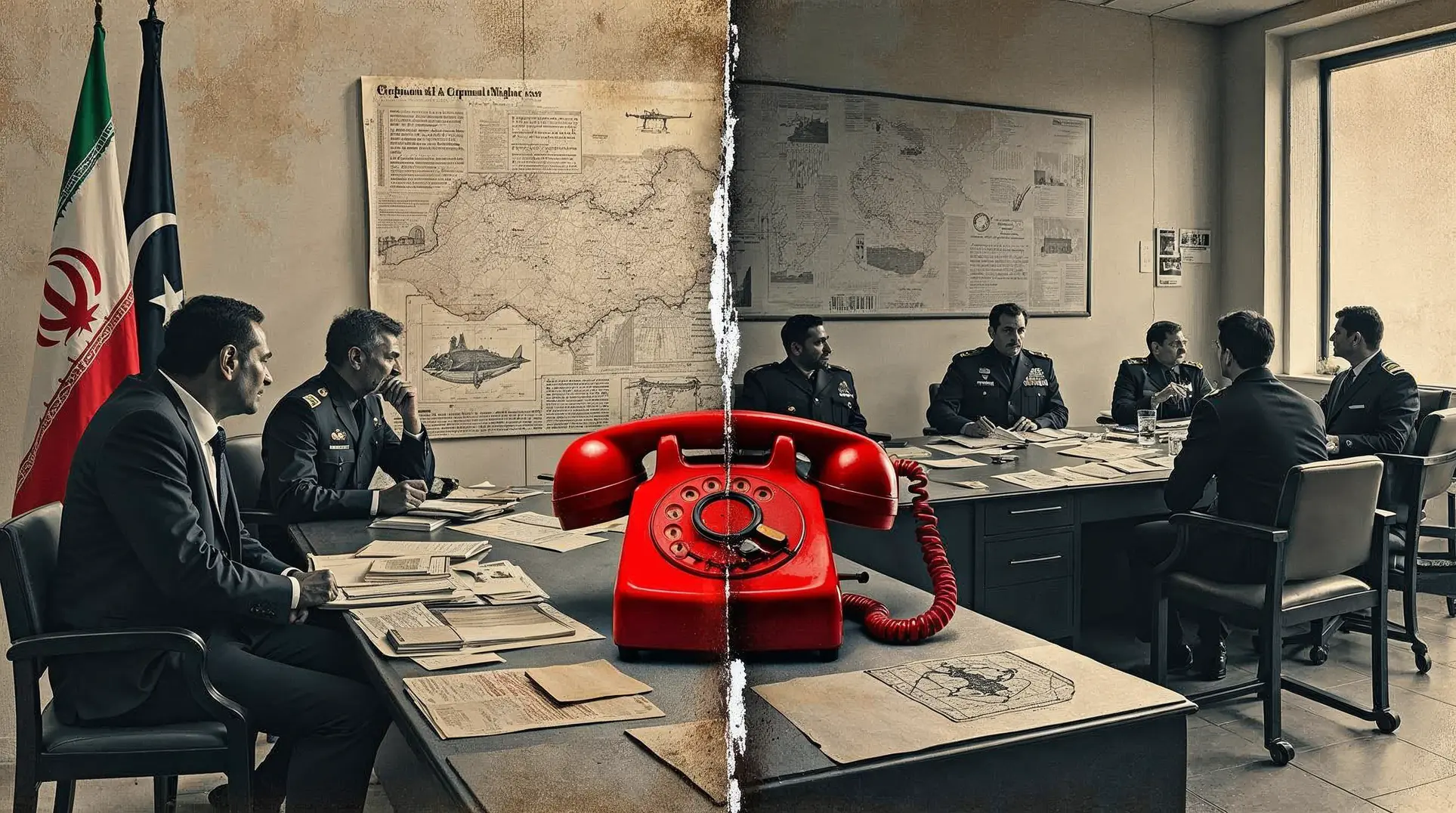
Members are reading: Why continued drone operations during negotiations suggest incomplete Iranian command control or deliberate escalation testing
Diplomatic implications
The interceptions place immediate pressure on mediators working to finalize a comprehensive framework addressing Iran's nuclear program, sanctions relief, and permanent Strait of Hormuz access arrangements. Previous peace efforts have collapsed over disagreements on nuclear enrichment timelines, sanctions sequencing, and control over the strategic waterway. Pakistan has facilitated multiple rounds of talks since April, producing a provisional framework that both sides have described as progress despite fundamental gaps remaining on implementation details.
US and Iranian officials have offered conflicting assessments of negotiation status throughout the process, with Washington emphasizing Iranian concessions on nuclear restrictions while Tehran highlights sanctions relief and regional security guarantees. The drone interceptions demonstrate that operational realities in the Strait continue independent of diplomatic rhetoric, creating risks that a single miscalculation could trigger the escalation cycle both sides claim to want to avoid.
Subscribe to our free newsletter to unlock direct links to all sources used in this article.
We believe you deserve to verify everything we write. That's why we meticulously document every source.


