


Ukrainian military and law enforcement units delivered roughly four tonnes of food to 100 distribution points across Russian-occupied Oleshky over the weekend of September 27, using heavy cargo drones flown across the Dnipro River, Kherson Military Governor Oleksandr Prokudin confirmed. It was the largest airdrop of its kind since Ukraine began smaller drone deliveries to the city in March 2026, according to Deputy Governor Oleksandr Tolokonnikov.
Prokudin addressed Russian forces directly over the operation. "Civilians have nothing to do with the Ukrainian armed forces," he said. "Because of the conditions you have created in Oleshky, people simply have no choice but to take food." Oleshky sits on the eastern bank of the Dnipro, less than four kilometers from Ukrainian-controlled Kherson city, but the bridge connecting them is closed, and Russia has occupied the settlement since February 24, 2022, the first day of the full-scale invasion.
What is confirmed on the ground
Prokudin said Russian forces shot down some aid drones mid-flight and detained residents who collected food packages, "throwing them into the cellar, beating them brutally." One family was reported missing after being accused of collaborating with Ukrainian forces, according to Ukrainian officials, a claim that could not be independently verified. The Institute for the Study of War assessed on September 27 that this interference "threatens to prolong and intensify an already dire humanitarian crisis." Tolokonnikov said the four tonnes delivered would sustain residents for "up to a month" only.
The scale of hardship is described by multiple sources: Oleshky's population has fallen from roughly 24,000 before the war to an estimated 2,000 inside the city. The last store closed in January and vehicle deliveries stopped entirely by late May, with later delivery attempts in June and September disrupted by Russian drone strikes that killed two people, according to Kyiv Independent reporting. A similar pattern of drone attacks on civilian gathering points has been documented elsewhere along the Dnipro front, including an April strike on a market in Nikopol that killed five civilians.
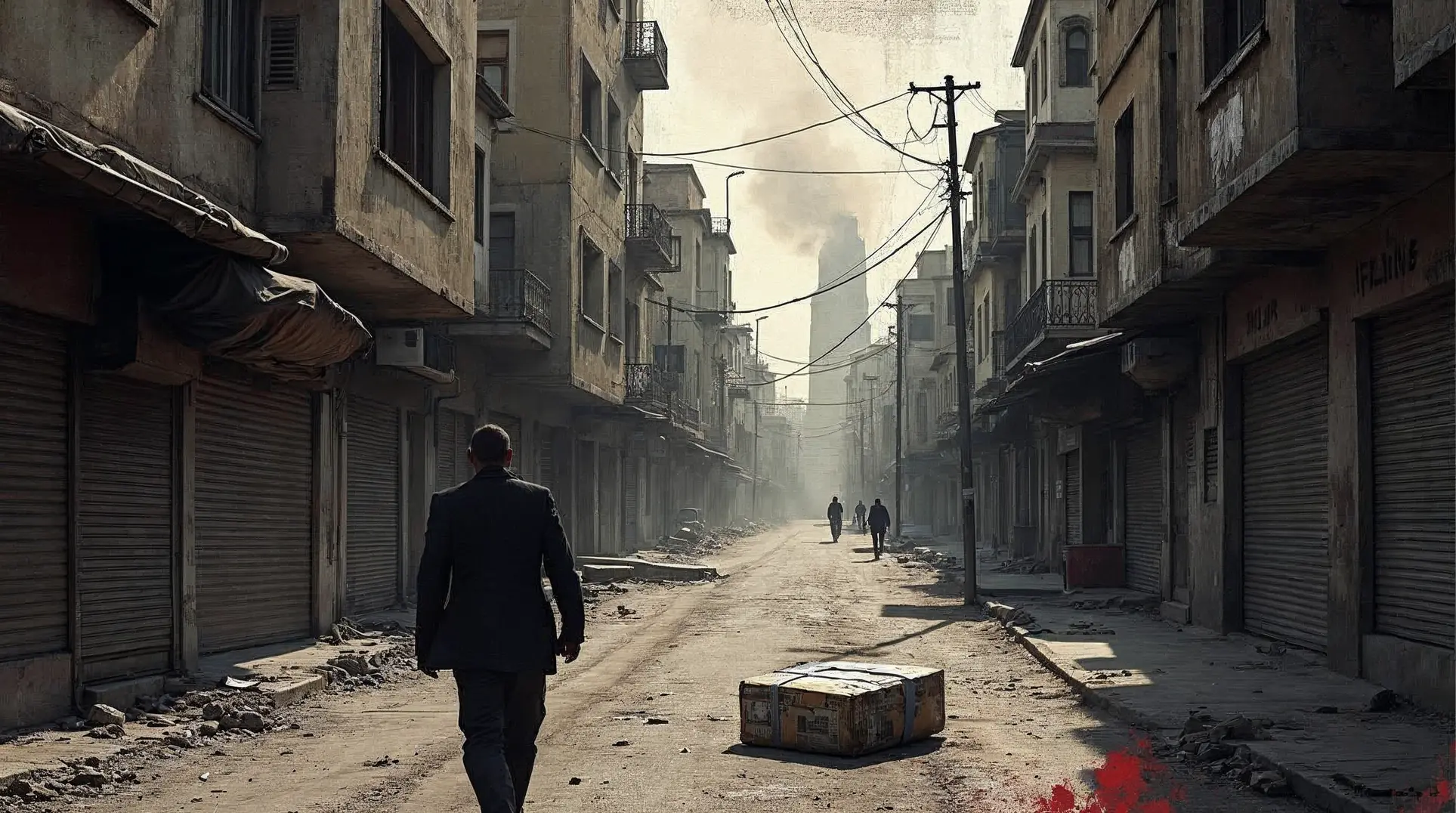
Observers are reading: how Russia's use of civilians as a shield against Ukrainian strikes intersects with its own admission of crisis conditions.
Become an Observer — it's free. Get full access to all Crisis.Zone analysis, briefings and breaking coverage.
A month of food, an unresolved siege
The drone operation shows Ukraine can still reach Oleshky's residents when conventional access is blocked. It cannot, on its own, resolve a crisis that UN and Council of Europe officials say requires sustained humanitarian access, something no diplomatic channel has yet secured. Winter approaches with the underlying blockade unchanged.
Become an Observer — it's free — to unlock direct links to all sources used in this article.
We believe you deserve to verify everything we write. That's why we meticulously document every source.


