


Thousands of U.S. Army 82nd Airborne Division soldiers have begun arriving in the Middle East following deployment orders for 2,000-3,000 paratroopers, U.S. officials confirmed. The movement of ground combat forces specialized in rapid-entry operations occurs as the U.S.-Iran war completes its fourth week, with over 9,000 air campaign sorties flown against IRGC and missile installations.
The deployment includes elements from the 1st Brigade Combat Team, division commander Maj. Gen. Brandon Tegtmeier, division staff, and headquarters personnel for logistics and planning coordination. President Trump simultaneously claims direct negotiations with Iran involving high-level officials are underway—assertions Iran publicly denies—creating a familiar tension between military escalation and diplomatic rhetoric that has defined Washington's approach since hostilities began February 28.
Latest force posture
The 82nd Airborne deployment supplements a substantial U.S. military buildup already in theater. Approximately 2,200 Marines from a second Marine Expeditionary Unit departed California last week, joining 3,500 sailors and Marines who arrived over the weekend. The USS Tripoli, carrying the 31st Marine Expeditionary Unit, has shifted from Taiwan exercises to the region, adding approximately 5,000 additional personnel.
Pentagon officials are deliberating deployment of up to 10,000 more ground troops, which would include infantry and armored units. The total U.S. troop presence in the region now approaches 50,000-55,000 personnel, supported by two carrier strike groups and advanced fighter aircraft positioned across Gulf bases.
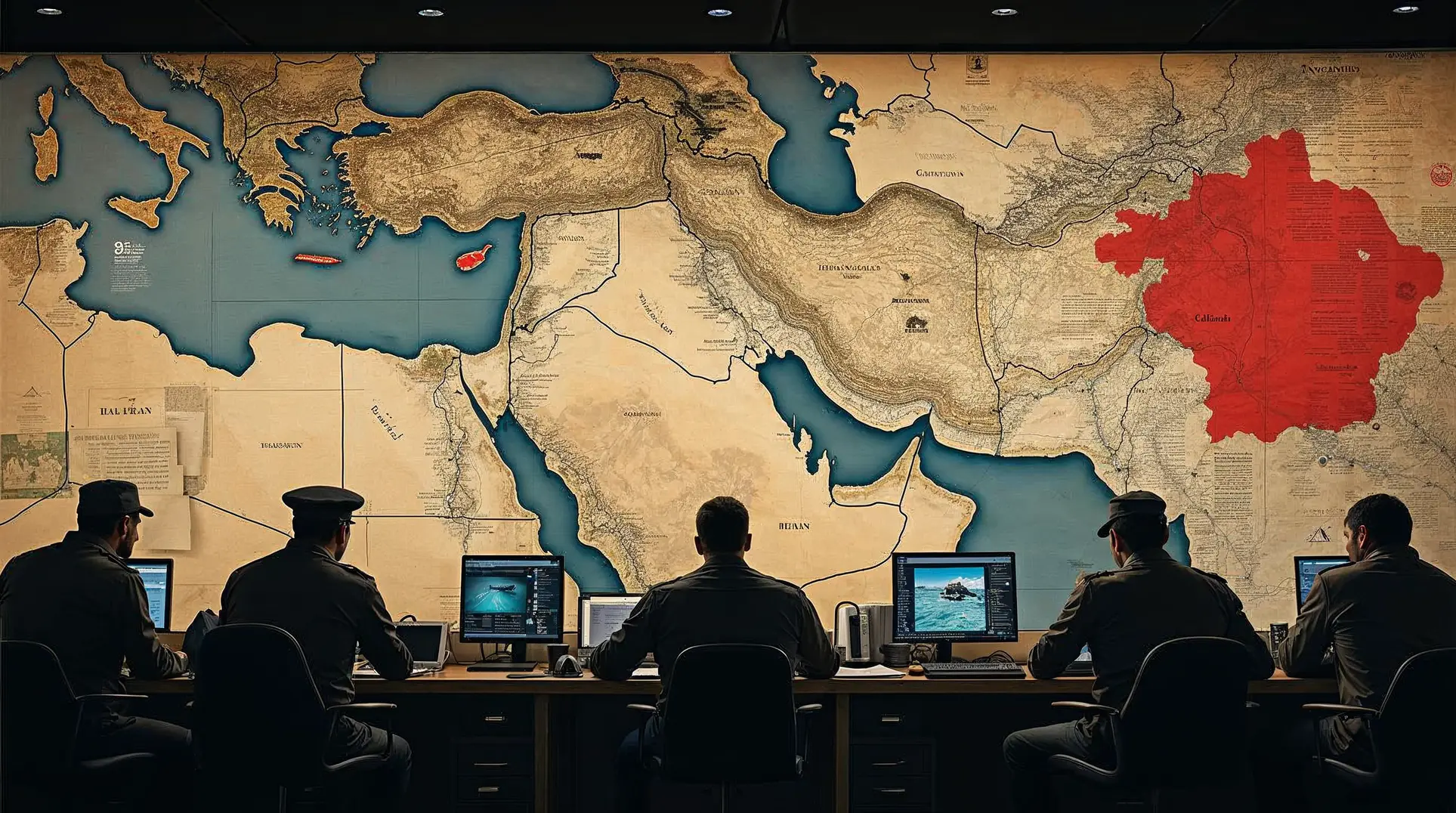
The 82nd Airborne specializes in parachuting into contested territory to seize airfields or strategic sites within 18 hours of notification. This capability aligns with potential missions such as securing Kharg Island—Iran's primary oil export hub handling roughly 90% of crude exports—or enforcing freedom of navigation through the Strait of Hormuz, which Iran has effectively closed since early March.
Members are reading: How ground force deployment narrows diplomatic options while expanding military risk exposure
Regional implications
Iran has blocked the Strait of Hormuz—through which approximately 20 percent of global oil transits—while stating "non-hostile vessels" coordinating with Iranian authorities may pass, explicitly excluding U.S. or Israeli ships. Global energy prices continue rising. Over 300 U.S. troops have been wounded and 13 service members killed since the conflict began, with casualties primarily from Iranian ballistic missile and drone strikes against U.S. bases.
The coming days will reveal whether ground force positioning precedes diplomatic breakthrough or represents preparation for the campaign's next operational phase.
Subscribe to our free newsletter to unlock direct links to all sources used in this article.
We believe you deserve to verify everything we write. That's why we meticulously document every source.


